The telecom construction industry continues to evolve, and with it comes heightened emphasis on worker safety standards. The National Association for Tower Erectors (NATE) has released updated guidelines for tower rescue training that all professionals in telecom construction—from entry-level climbers to experienced technicians—must understand. As the rollout of 5G infrastructure accelerates across the country, the demand for qualified tower climbing professionals has never been higher, making proper rescue certification not just a regulatory requirement but a critical component of career advancement.
Understanding the Updated NATE Rescue Training Standards
NATE's latest guidelines represent a comprehensive update to tower rescue training requirements that take into account modern climbing techniques, equipment advancements, and lessons learned from industry incidents. The updated standards emphasize a multi-disciplinary approach to rescue operations, recognizing that effective tower rescue requires coordination between climbers, ground personnel, and emergency responders.
The revised guidelines now mandate that rescue training programs cover:
- Advanced rope techniques for high-angle rescue scenarios
- Self-rescue procedures specific to communication tower environments
- Coordination protocols between tower climbing teams and emergency services
- Equipment inspection and maintenance for rescue-specific gear
- Medical assessment and first aid response at height
These updates reflect the reality of modern telecom construction sites, where towers now reach heights exceeding 1,500 feet and often feature complex configurations designed to accommodate 5G equipment. Rescue scenarios have become increasingly sophisticated, requiring climbers to understand not just emergency procedures, but the physics and engineering principles behind safe rescue operations.
Why Tower Rescue Certification Matters for Your Telecom Career
Safety certifications have become the cornerstone of professional advancement in telecom construction. Employers—from major carriers to specialized construction contractors—now prioritize candidates with current NATE rescue certifications when hiring for high-value projects. This is particularly true for 5G infrastructure deployment, where project budgets are substantial and safety standards are non-negotiable.
Beyond employability, rescue training directly impacts earning potential. Tower climbing professionals with current rescue certifications command higher wages, typically earning 15-25% more than uncertified counterparts. Moreover, rescue certification demonstrates commitment to industry standards and professional development—qualities that lead to supervisory and project management opportunities.
The updated NATE guidelines also align with OSHA requirements and fall protection regulations that govern telecom construction sites. Understanding these requirements ensures compliance and reduces liability for both workers and employers. For anyone building a long-term career in telecom construction, rescue training isn't optional—it's foundational.
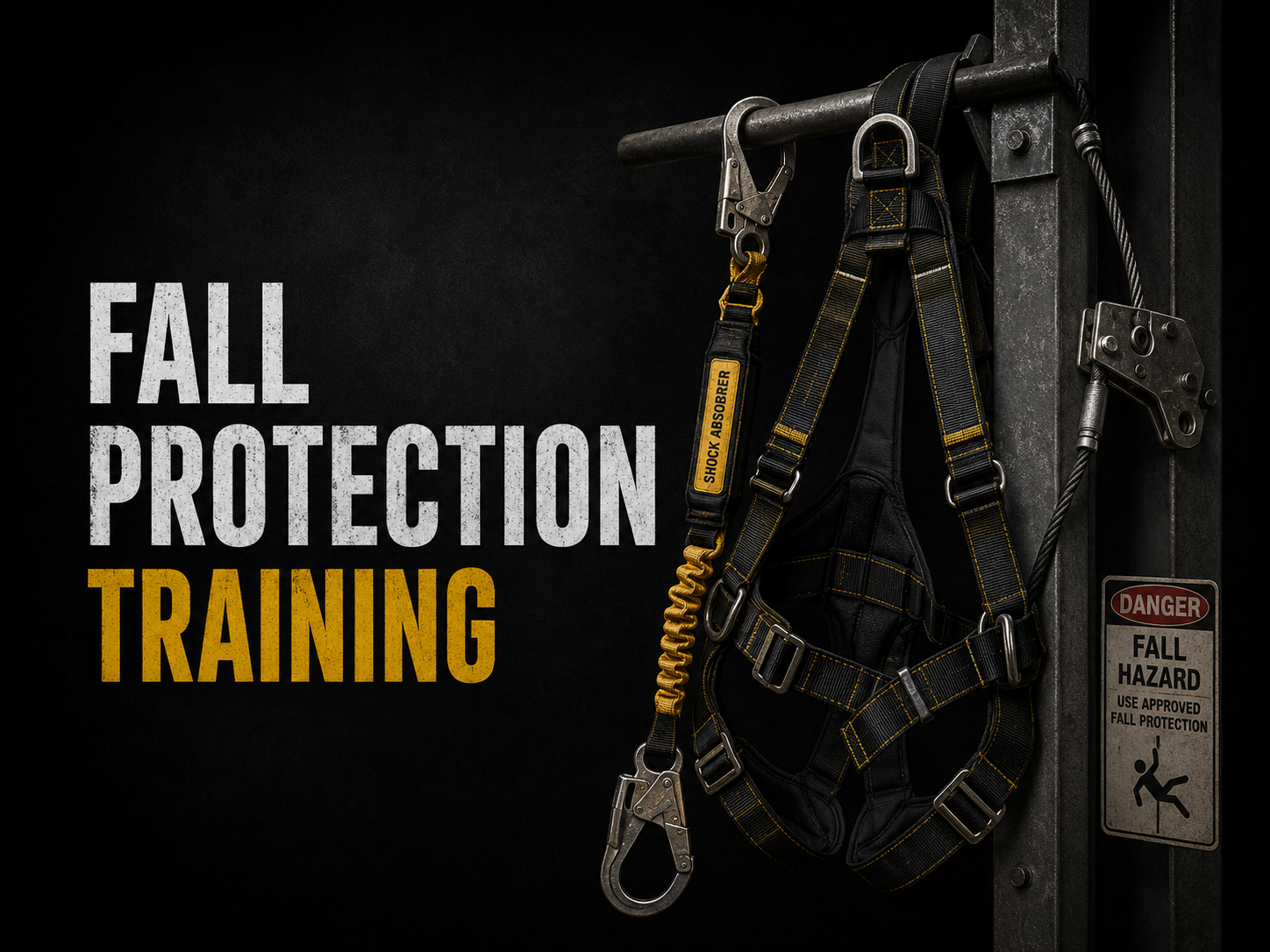
Recommended certification
Fall Protection Training
$30 · ~30 min online · certificate issued same day · valid 2 years
Also read: AI-Powered Drone Tower Inspections: Threat or Opportunity for Certified Climbers · Group Certification Discounts: Train Your Whole Crew for Less Than One OSHA Fine
Key Changes in the 2024 NATE Guidelines
The most significant updates in the latest NATE rescue training requirements include:
- Extended training duration: Minimum 40-hour certification programs (up from 32 hours previously) to accommodate new curriculum components
- Scenario-based testing: Practical assessments now include realistic rescue scenarios rather than theoretical examinations alone
- 5G-specific content: New modules addressing rescue operations on modern antenna systems and fiber-optic installation points
- Recertification requirements: Annual refresher training now required (rather than biennial) for rescue certifications
- Cross-disciplinary skills: Integration of communication protocols used by fire departments and emergency medical services
These changes reflect the dynamic nature of telecom construction work. As carriers invest in 5G infrastructure across urban and rural areas, rescue scenarios become more complex. Towers may feature multiple equipment types, narrow working spaces, and environmental challenges that standard training programs may not have previously addressed. The updated guidelines ensure that tower climbing professionals are prepared for real-world conditions.
Implementing These Requirements in Your Training Program
For training providers and employers, implementation of the updated NATE guidelines requires careful planning. Programs must now invest in scenario-based training equipment, qualified instructors with rescue experience, and comprehensive curriculum development. This includes hands-on practice with modern safety equipment and exposure to various tower configurations representative of current telecom construction projects.
Organizations should also establish a schedule for staff recertification, recognizing that annual training requirements will become standard. This represents an ongoing investment in workforce development but ultimately reduces incident rates, improves productivity, and enhances company reputation in competitive telecom construction markets.
Build Right Academy specializes in comprehensive training programs for telecom construction careers, including NATE-compliant tower rescue certification courses designed to meet current industry standards and prepare professionals for real-world challenges in 5G deployment and beyond.
Ready to Get Certified?
BuildRight Academy offers 100% online, OSHA-compliant safety certifications you can complete at your own pace.