The Occupational Safety and Health Administration has launched 127 enforcement actions against telecom contractors and carriers in the first nine months of 2024—a 34% spike compared to the same period last year—as rapid employee turnover leaves crews understaffed and safety protocols vulnerable to collapse.
The timing is no accident. As major carriers including Verizon, AT&T, and T-Mobile race to deploy 5G infrastructure and upgrade aging networks, workforce turnover in telecom construction has reached levels not seen since 2008, according to labor data cited by the National Association of Tower Erectors (NATE). Field technicians are leaving the industry faster than contractors can hire and train replacements, creating a dangerous vacuum where inexperienced workers operate at heights exceeding 1,500 feet with minimal oversight.
The Perfect Storm: Growth Meets Attrition
The telecom construction sector is caught between conflicting pressures. Network densification demands have never been higher. Yet experienced climbers and ground crews are exiting the field at alarming rates, driven by low wages relative to skilled trades, physical toll, and the rise of alternative career paths in HVAC and electrical work.
"You've got crews moving fast to hit deployment timelines, and half the people on site have been there less than six months," said one veteran tower technician familiar with regional operations. "OSHA sees that. They're showing up more often, and they're catching things that should never happen."
OSHA data reviewed by this publication shows that fall protection violations remain the most cited infraction, accounting for 41% of enforcement actions. But a troubling secondary trend has emerged: improper use of rigging equipment and load handling procedures, which jumped 58% year-over-year. These are not edge-case safety gaps—they are foundational competencies that new hires should master before setting foot on a tower.
Major Carriers and Contractors Face Seven-Figure Penalties
In August 2024, OSHA issued a $340,000 penalty to a mid-sized contractor operating across three states after an inspection found 12 separate fall protection violations on an AT&T network upgrade project in the Southeast. The contractor had promoted a crew lead with fewer than 18 months of field experience—a common cost-cutting move among GCs struggling with labor costs.
"The carriers aren't being cited directly as often, but they're creating the pressure that forces these shortcuts," explained a senior GC executive familiar with the bid process. "When AT&T or Verizon penalizes you for missing a deployment window, the math gets simple: spend on safety training or spend on penalties. A lot of companies are betting wrong."
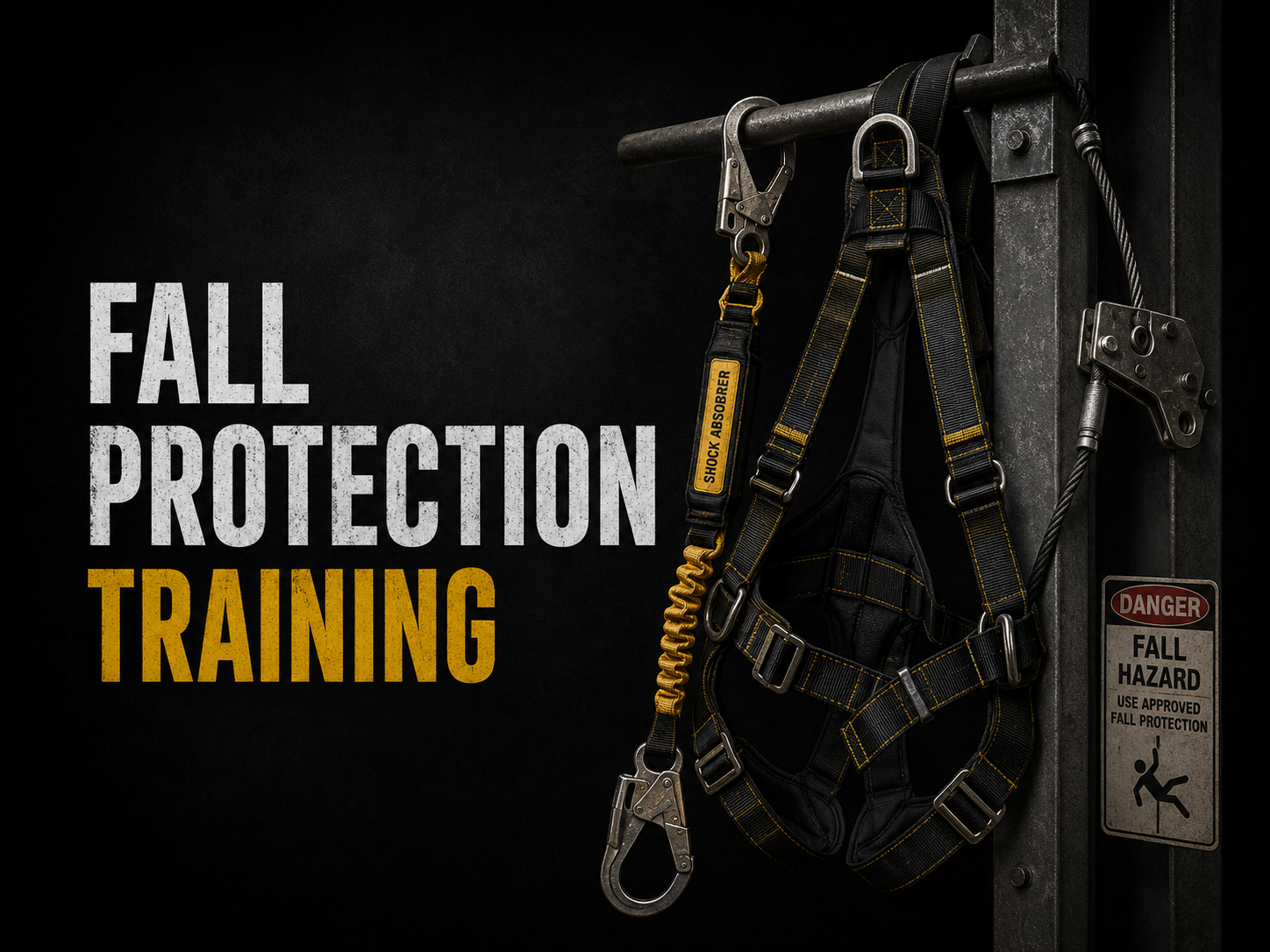
Recommended certification
Fall Protection Training
$30 · ~30 min online · certificate issued same day · valid 2 years
Also read: ANSI/TIA Tower Standards: What Changes on the Job Site · When the Market Falls, Bodies Follow: The Deadly Link Between Economic Downturns and Tower Climbing Deaths
OSHA has also expanded its focus to include electrical safety and hazardous energy control during network handoff operations, an area that had received less scrutiny in previous years. As 5G densification spreads fiber and power distribution across rooftops and utility poles, the interface between electrical systems and climbers has become more complex and more dangerous.
Certification Gaps and the New Worker Problem
Industry insiders acknowledge a hard truth: many new hires enter telecom construction without formal safety credentials. While NATE certification remains the gold standard, not all contractors require it before deployment—particularly for ground crew and spotters.
The consequences are immediate. A worker without formal bloodborne pathogen and emergency response training cannot safely handle rescue scenarios. A new ground crew member without rigging certification cannot properly direct a lift. These gaps don't appear in project paperwork; they emerge when something goes wrong.
OSHA's increased inspection frequency is partly a response to this certification vacuum. The agency has shifted toward proactive audits of contractor safety programs rather than reactive investigations, meaning firms are being asked to prove their training protocols before incidents occur.
What Contractors Must Do Now
Contractors operating in 2024 face a choice: absorb the cost of front-loaded safety training or absorb the cost of OSHA penalties, litigation, and lost contracts. Some carriers, including T-Mobile, have begun requiring auditable proof of crew certification before awarding new project phases. This trend is spreading.
The market is tightening around safety performance. Contractors who can demonstrate systematic, documented training programs are winning bids over those with higher costs and weaker safety cultures. Paradoxically, the surge in OSHA enforcement may ultimately strengthen the industry by culling unsafe operators and raising the bar for entry.
For individual technicians and ground crew, the message is clear: certifications are no longer optional credentials—they are job security in a volatile labor market. Workers with documented, current safety training are more likely to be hired, retained, and retained long-term by contractors operating under OSHA scrutiny.
Explore Build Right Academy's comprehensive telecom safety certification courses to stay ahead of industry enforcement trends and protect your career. Browse telecom tower safety courses here.