The telecommunications industry is experiencing unprecedented growth, driven largely by the nationwide expansion of 5G networks and the increasing demand for reliable wireless infrastructure. As tower climbing and telecom construction projects become more complex and widespread, adherence to rigorous safety standards has never been more critical. The American National Standards Institute (ANSI) and the Telecommunications Industry Association (TIA) have recently updated their tower standards to reflect modern construction practices, emerging risks, and the evolving landscape of wireless network deployment.
These updates represent a significant milestone for professionals working in telecom construction, tower maintenance, and related fields. Understanding these changes is essential for companies and workers who want to maintain compliance, ensure workplace safety, and remain competitive in an increasingly regulated industry.
Key Changes in ANSI/TIA Tower Standards
The latest ANSI/TIA updates address several critical areas that directly impact telecom construction projects and tower climbing operations. These revisions were developed through extensive industry collaboration, incorporating feedback from tower climbers, construction managers, equipment manufacturers, and safety experts.
Major areas of focus include:
- 5G Infrastructure Requirements: New guidelines specifically address the unique challenges of deploying 5G equipment on existing towers, including weight distribution, power supply considerations, and cable management protocols.
- Fall Protection Systems: Enhanced requirements for personal protective equipment (PPE) and fall arrest systems used during tower climbing and maintenance operations.
- Training and Certification Standards: Updated competency requirements for tower climbers and construction workers, emphasizing hands-on skills and knowledge assessment.
- Environmental and Weather Considerations: Expanded protocols for working in challenging environmental conditions and improved risk assessment for adverse weather scenarios.
- Equipment Inspection and Maintenance: More rigorous inspection schedules for climbing equipment, safety systems, and telecommunications infrastructure components.
These updates reflect the reality that telecom construction has become increasingly specialized. The integration of 5G technology requires workers to understand not only traditional tower climbing skills but also the technical specifications of modern wireless equipment. Companies must ensure their teams are fully trained on these new standards to avoid costly compliance violations and safety incidents.
Impact on Telecom Construction Practices
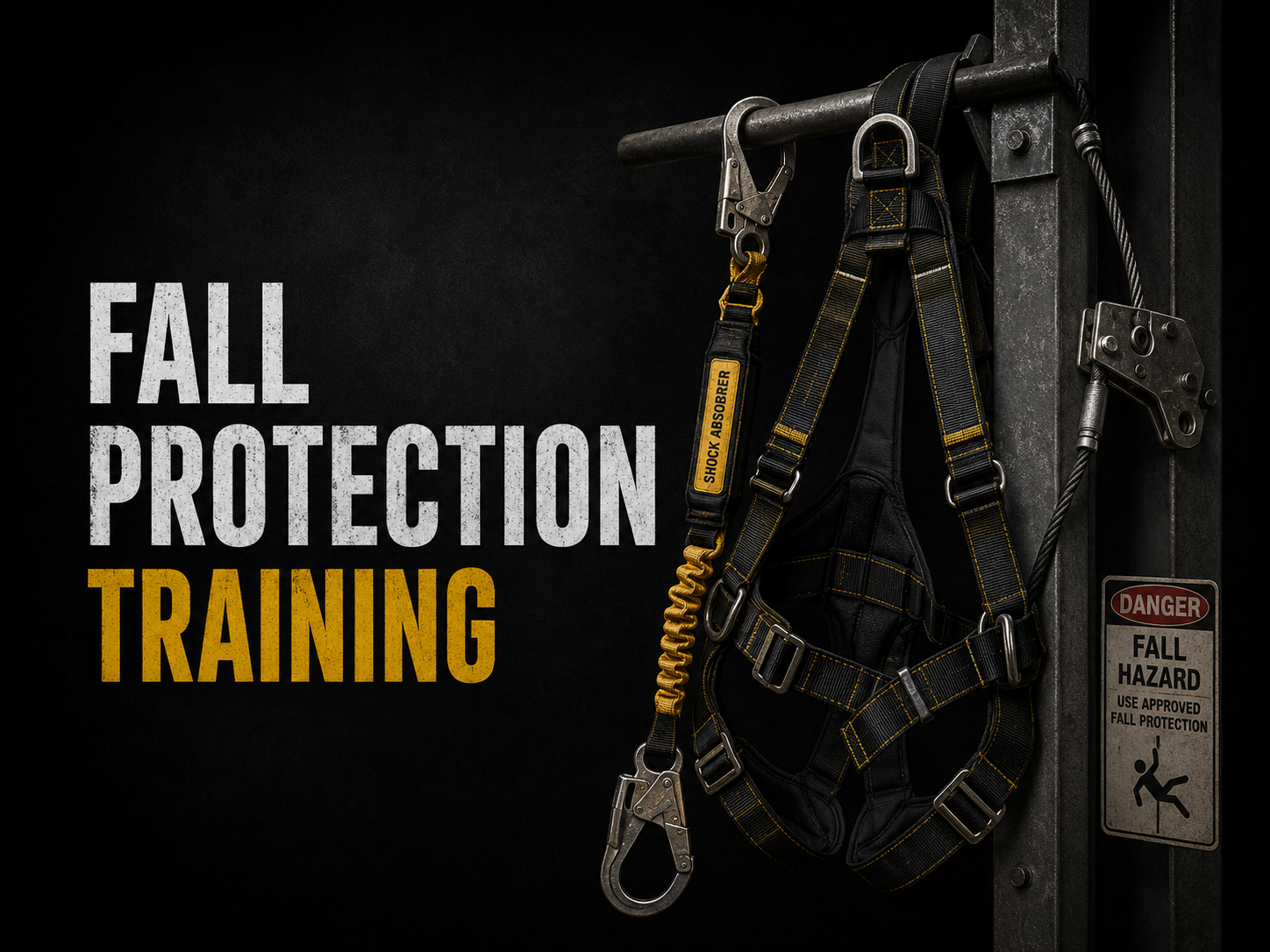
Recommended certification
Fall Protection Training
$30 · ~30 min online · certificate issued same day · valid 2 years
Also read: OSHA Telecom Enforcement Actions Surge 34% as Workforce Turnover Hits 15-Year High · When the Market Falls, Bodies Follow: The Deadly Link Between Economic Downturns and Tower Climbing Deaths
The implementation of updated ANSI/TIA standards will reshape how telecom construction companies plan and execute projects. Tower climbing operations, in particular, will need to adapt their procedures to align with the new requirements.
For tower climbers, the updated standards mean more rigorous pre-work assessments and ongoing safety certifications. Workers must demonstrate competency not only in traditional climbing techniques but also in the proper installation and maintenance of modern telecommunications equipment. This shift emphasizes the importance of continuous professional development and staying current with industry standards.
Telecom construction companies will need to invest in updated training programs that cover the new ANSI/TIA guidelines. Project managers must allocate adequate time and budget for compliance activities, including equipment inspections and worker certifications. Additionally, companies should review their current safety protocols and make adjustments to ensure full alignment with the latest standards.
The standards also have implications for equipment manufacturers. Climbing gear, fall protection systems, and installation tools must now meet enhanced performance specifications. Companies that manufacture or supply equipment for telecom construction should verify that their products comply with the latest ANSI/TIA requirements.
Safety Certifications and Professional Development
One of the most important aspects of the updated ANSI/TIA standards is the emphasis on safety certifications for telecom construction professionals. These certifications serve multiple purposes: they validate worker competency, protect employee safety, and reduce liability for employers.
Tower climbers should pursue recognized safety certifications that specifically address the new standards. These credentials demonstrate that workers have been trained on current best practices and are capable of performing their duties safely and effectively. Employers benefit from having certified staff, as it reduces workplace injuries, improves project efficiency, and enhances the company's reputation with clients.
The updated standards also highlight the importance of regular training refreshers. As technologies and best practices evolve, ongoing education ensures that telecom construction professionals maintain their expertise and stay informed about new developments in the industry.
Looking Ahead: 5G Expansion and Continued Growth
As 5G deployment accelerates across the country, tower climbing and telecom construction work will continue to be in high demand. The updated ANSI/TIA standards ensure that this growth happens safely and responsibly. Companies that embrace these standards and invest in proper training will be well-positioned to capitalize on opportunities in the expanding wireless infrastructure market.
Professionals entering the telecom construction field should familiarize themselves with the latest ANSI/TIA standards early in their careers. Understanding these requirements from the start sets a strong foundation for a long, successful career in tower climbing and wireless infrastructure development.
Build Right Academy provides comprehensive professional training programs designed to prepare telecom construction workers for successful careers in this dynamic industry. Our courses are developed by experienced professionals and cover essential skills including tower climbing techniques, safety certifications, 5G infrastructure knowledge, and the latest ANSI/TIA standards to ensure graduates are ready to meet the demands of modern telecom construction projects.