The telecom construction industry faces a critical challenge that extends far beyond physical safety protocols and OSHA compliance. A comprehensive industry report released this year reveals that mental health and workplace safety culture among tower climbing crews have become increasingly intertwined—and the connection directly impacts worker retention, accident rates, and overall job site performance across 5G deployment projects nationwide.
As the wireless infrastructure sector experiences unprecedented growth driven by 5G expansion and network modernization, tower crews are working longer hours, tackling more complex technical challenges, and facing mounting pressure to meet aggressive deployment timelines. Yet mental health resources and psychological safety training remain underdeveloped in many organizations, creating a dangerous gap between physical safety certifications and emotional wellness support.
The State of Mental Health in Telecom Construction
According to the recent industry report, tower climbers and telecom construction workers experience higher rates of stress, anxiety, and depression compared to the general working population. The report identifies several contributing factors specific to the tower climbing profession:
- Work-related trauma from witnessing accidents or near-miss incidents on job sites
- Social isolation due to remote work locations and traveling between projects
- Physical fatigue from demanding labor and irregular schedules
- Financial instability during seasonal downturns or project delays
- Limited access to mental health resources in rural or remote tower locations
- Workplace stigma surrounding mental health discussions among crews
The report notes that construction workers, including telecom tower specialists, have suicide rates significantly higher than the national average—a sobering statistic that underscores the urgency of addressing mental wellness alongside traditional safety certifications. Many companies have successfully integrated mental health awareness into their organizational culture, while others continue operating with outdated safety protocols that focus exclusively on physical hazards.
Building a Culture of Psychological Safety
Psychological safety—the belief that one can take interpersonal risks without fear of negative consequences—forms the foundation of a healthy tower crew environment. Organizations that prioritize this culture report lower turnover rates, fewer safety violations, and higher productivity on 5G tower construction projects.
The industry report highlights best practices for developing psychological safety among tower climbing teams:
- Leadership commitment: Managers and supervisors must openly acknowledge mental health challenges and model healthy coping strategies
- Regular training: Mental health awareness training should complement standard safety certifications and hazard recognition courses
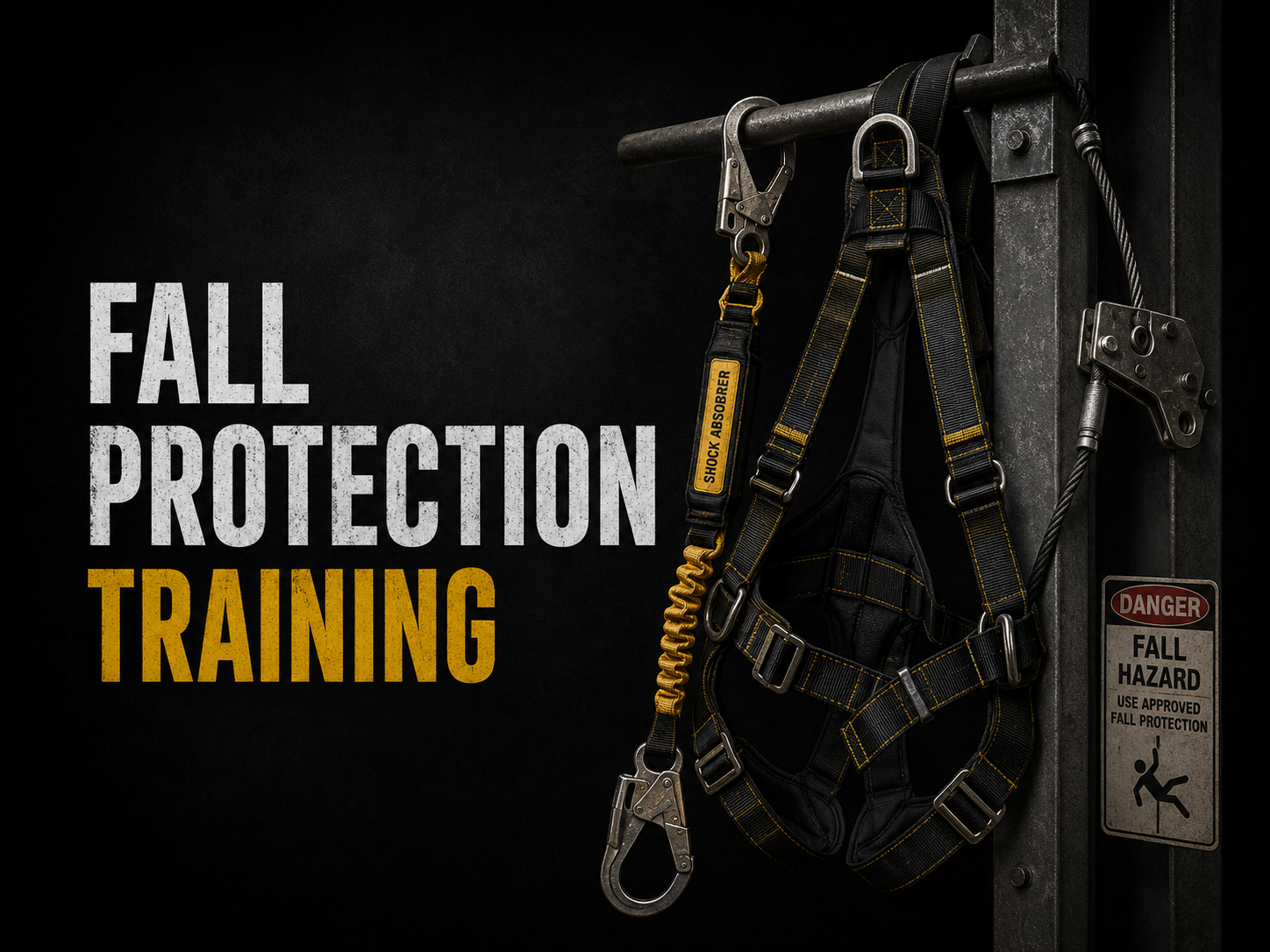
Recommended certification
Fall Protection Training
$30 · ~30 min online · certificate issued same day · valid 2 years
Also read: AI-Powered Drone Tower Inspections: Threat or Opportunity for Certified Climbers · Group Certification Discounts: Train Your Whole Crew for Less Than One OSHA Fine
- Peer support programs: Establishing trained peer support networks gives crew members accessible resources within their own community
- Anonymous reporting mechanisms: Just as tower climbers report safety hazards, they should feel comfortable reporting mental health concerns
- Flexible scheduling: Where possible, reducing excessive overtime and providing predictable schedules improves worker wellbeing
- Family involvement: Including families in safety education creates additional support networks
Companies deploying 5G infrastructure across multiple states have found that crews operating under psychologically safe conditions complete projects faster and with fewer accidents—directly contradicting the notion that mental health initiatives slow productivity. Instead, they improve it.
Integration with Safety Certification Programs
The report recommends integrating mental health training into existing safety certification pathways for telecom construction workers. Rather than treating mental wellness as separate from technical competency, leading companies now incorporate psychological resilience into their ladder climbing safety, rescue techniques, and hazard awareness courses.
Safety certifications—whether ANSI/ASSE standards, manufacturer-specific training, or OSHA 30-hour requirements—provide the perfect framework for adding mental health modules. Workers who understand how stress affects decision-making and reaction times are better equipped to recognize when they or their crew members are operating below peak performance on tower sites.
The telecom construction industry is also seeing increased demand for mental health first aid certification, which teaches non-medical responders how to provide initial support to someone experiencing mental health challenges. This training complements traditional first aid certifications and enhances the overall safety preparedness of tower crews working on remote 5G projects.
Moving Forward: Industry Recommendations
The report concludes with actionable recommendations for telecom construction companies, contractors, and training organizations: establish mental health policies with the same rigor applied to fall protection and rescue procedures; allocate budget specifically for mental health resources; partner with mental health professionals to develop industry-specific interventions; and measure psychological safety alongside traditional safety metrics.
As 5G deployment accelerates and tower climbing demands increase, the industry must recognize that a truly safe work environment protects both physical and mental health. Companies investing in this holistic approach to safety culture are positioning themselves as employers of choice in an increasingly competitive labor market.
Build Right Academy offers comprehensive professional training for telecom construction careers, with curricula designed to address both technical competency and workplace wellness. Our programs prepare tower climbers and construction professionals for the demanding, rewarding work ahead.
Ready to Get Certified?
BuildRight Academy offers 100% online, OSHA-compliant safety certifications you can complete at your own pace.