The telecommunications industry is experiencing unprecedented growth driven by 5G network expansion and infrastructure modernization. However, with this rapid development comes increased regulatory scrutiny from the Occupational Safety and Health Administration (OSHA). Recent changes to telecom tower safety regulations are reshaping how construction crews approach tower climbing, equipment operation, and hazard management on job sites. Contractors and workers must stay informed about these evolving requirements to maintain compliance and protect their workforce.
Key Updates to OSHA Telecom Tower Safety Standards
OSHA has strengthened its enforcement of fall protection and rescue procedures specific to telecom construction work. The agency has issued updated guidance on tower climbing operations, emphasizing the critical importance of proper harnesses, anchor points, and rescue equipment. One of the most significant changes involves stricter requirements for rescue plans at heights exceeding 50 feet—a common scenario in tower climber jobs across the industry.
The regulatory updates also address the unique hazards posed by 5G infrastructure deployment. As carriers install equipment on existing structures and build new tower sites, OSHA has clarified expectations around:
- Competent climber certifications and recertification intervals
- Rescue training for all personnel working above 6 feet
- Site-specific safety plans for each telecom construction project
- Documentation of fall arrest systems and their inspection schedules
- Radio frequency (RF) hazard awareness training before ascending structures
These requirements align with industry best practices outlined by organizations like the Alliance for Telecommunications Industry Solutions (ATIS) and have been widely discussed across forums such as Wireless Estimator, a leading source for telecom construction news and compliance guidance.
Tower Climbing Certifications and Competency Requirements
Under the updated OSHA framework, tower climbing is no longer treated as a general construction task. Workers must now obtain recognized climbing certifications and demonstrate competency through third-party evaluations. The National Association of Tower Erectors (NATE) certification remains the gold standard, but OSHA has expanded its recognition of equivalent credentials in response to industry demands.
Competency certification now requires documented training in:
- Proper use and inspection of personal protective equipment (PPE)
- Rescue techniques and emergency response procedures
- Environmental hazard recognition (weather, RF exposure, traffic)
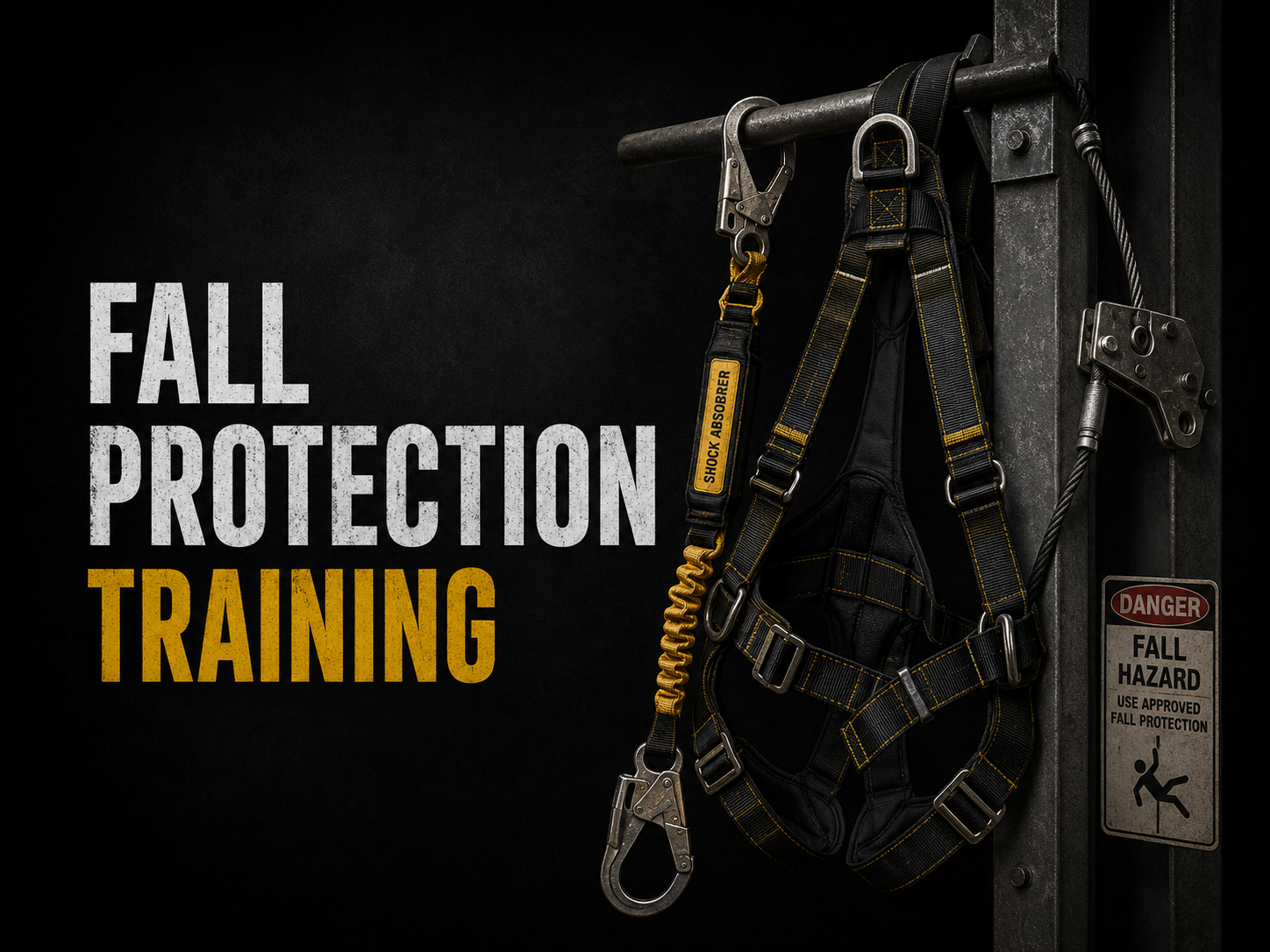
Recommended certification
Fall Protection Training
$30 · ~30 min online · certificate issued same day · valid 2 years
Also read: OSHA Telecom Enforcement Actions Surge 34% as Workforce Turnover Hits 15-Year High · ANSI/TIA Tower Standards: What Changes on the Job Site
- Fall protection systems specific to tower geometry
Beyond traditional climbing credentials, OSHA has emphasized that safety certifications must be current and job-specific. This means a climber certified three years ago may need refresher training before working on 5G infrastructure projects, which often involve different anchor points and structural considerations. Training in control of hazardous energies has also become essential when working near electrical transmission lines or power distribution equipment commonly found at telecom sites.
Hazard Management and Equipment Safety in Telecom Construction
The regulatory landscape now demands more rigorous hazard assessment before any telecom construction work begins. Site managers must conduct thorough evaluations of structural integrity, environmental conditions, and potential energy sources—including RF hazards and electrical hazards. This assessment directly informs rescue planning, equipment selection, and worker assignment.
OSHA's updated standards place particular emphasis on mechanical equipment used in tower construction. Capstan hoists, gin poles, and cable systems require documented operator training and regular inspection. Capstan hoist safety and operations training is now explicitly required by many contractors working on mid-to-large scale telecom projects to ensure personnel understand load limits, anchor requirements, and emergency shutdown procedures.
Additionally, the agency has issued guidance on bloodborne pathogen exposure in outdoor construction settings. While less common than in healthcare, rescue situations and first aid interventions on tower sites can create exposure risks. Bloodborne pathogens certification is increasingly recommended for site supervisors and safety officers overseeing telecom construction crews.
Compliance Best Practices for Telecom Contractors
To align with OSHA's updated telecom tower safety regulations, contractors should implement the following practices:
- Maintain a climbing competency register documenting all certifications, training dates, and renewal schedules
- Develop site-specific rescue plans before mobilizing to any tower construction site
- Conduct monthly equipment inspections and maintain detailed records of harnesses, lanyards, and anchor systems
- Require RF safety briefings before any work near active antennas or transmission equipment
- Schedule annual refresher training for all field personnel, not just climbers
- Engage third-party safety audits to verify compliance across multiple projects
The 5G expansion has made telecom construction safer and more regulated than ever before. Staying current with OSHA requirements protects workers, reduces liability, and positions contractors as industry leaders committed to excellence.
Build Right Academy offers comprehensive professional training programs designed specifically for the telecom and construction sectors. Whether you're seeking tower climbing certifications, safety compliance courses, or specialized equipment operation training, our curriculum helps you and your team meet OSHA standards while advancing your careers in telecom construction.