As a small contractor in the telecom construction industry, you're juggling multiple responsibilities—from managing crews to ensuring safety compliance. One critical area that demands your attention is OSHA recordkeeping. Proper documentation isn't just a legal obligation; it's essential for protecting your workers, your business, and your reputation in the industry.
Whether you're involved in tower climbing certifications, 5G construction projects, or general telecom training operations, understanding OSHA recordkeeping requirements is non-negotiable. This comprehensive guide will walk you through what you need to know to stay compliant and avoid costly penalties.
Why OSHA Recordkeeping Matters for Telecom Contractors
OSHA recordkeeping serves multiple critical purposes. First, it creates an official record of workplace injuries and illnesses, which helps identify safety trends and hazards specific to your operations. For small contractors in the telecom and construction sectors, maintaining accurate records demonstrates your commitment to worker safety—a key factor in winning contracts and building trust with clients.
Second, OSHA records protect your business legally. In the event of an injury dispute or regulatory investigation, comprehensive documentation proves you followed proper protocols and took worker safety seriously. Finally, these records help you measure safety performance, identify areas for improvement, and validate the effectiveness of your training programs—particularly important if you're investing in tower climbing certifications or advanced telecom training for your crews.
Form 300: The Injury and Illness Log
The cornerstone of OSHA recordkeeping is Form 300, the Log of Work-Related Injuries and Illnesses. This form must be maintained by virtually all employers, though some smaller operations with specific industry classifications may be exempt.
Here's what you need to document on Form 300:
- Employee name and job title
- Date of injury or illness onset
- Location of the incident
- Description of the injury or illness
- Details about the part of the body affected
- Whether the incident resulted in lost work time, restricted duty, or job transfer
- Whether medical treatment was provided beyond first aid
For contractors managing crews on active 5G construction sites or tower climbing operations, maintaining accurate Form 300 logs is especially important. These high-risk environments demand meticulous attention to detail. Each incident—whether a cut, strain, or fall—must be recorded promptly and accurately.
Form 301: Injury and Illness Incident Report
Whenever you record an injury or illness on Form 300, you must also complete a Form 301 (Injury and Illness Incident Report) for that specific case. This form captures more detailed information about what happened, making it invaluable for investigating root causes and implementing preventive measures.
Form 301 should include:
- Employee contact information
- Detailed account of how the injury occurred
- Names and contact information for witnesses
- Details about objects or substances involved in the incident
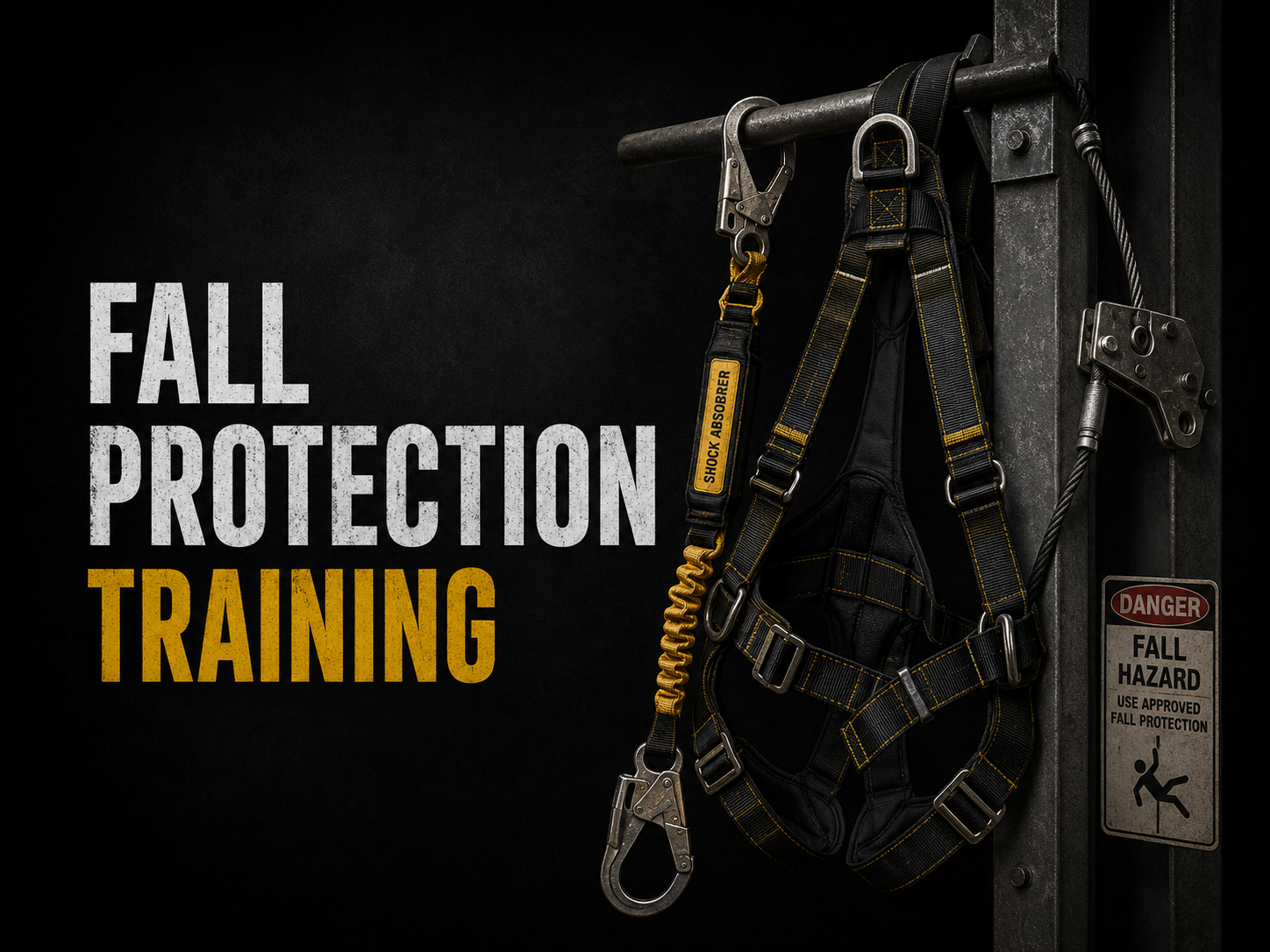
Recommended certification
Fall Protection Training
$30 · ~30 min online · certificate issued same day · valid 2 years
Also read: OSHA Telecom Enforcement Actions Surge 34% as Workforce Turnover Hits 15-Year High · ANSI/TIA Tower Standards: What Changes on the Job Site
- Whether personal protective equipment (PPE) was in use
- Any environmental factors that contributed to the incident
For small contractors, this deeper investigation is where you'll uncover whether additional telecom training or tower climbing certifications might prevent similar incidents in the future. If multiple employees suffer similar injuries, it may indicate a knowledge gap or training deficiency worth addressing.
Form 300A: Summary of Work-Related Injuries and Illnesses
At the end of each calendar year, you must complete Form 300A, which summarizes the injury and illness data from your Form 300 log. This form aggregates totals for different injury categories and is required to be posted publicly in a visible location from February through April of the following year.
For small contractors, Form 300A serves as an annual snapshot of safety performance. Reviewing these trends annually helps you identify whether your current training programs—including any tower climbing certifications or specialized telecom training—are effectively reducing workplace incidents.
Critical Recordkeeping Best Practices
Timing Matters: Record injuries and illnesses as soon as possible after learning of them. Delayed reporting can lead to compliance issues and may appear negligent if challenged.
Define "Work-Related" Correctly: An injury is work-related if it occurs during employment and is caused by exposure to hazards inherent to the job. For tower climbing and telecom construction workers, most injuries sustained on the job will be considered work-related.
Maintain Confidentiality: While Forms 301 are required, you should implement safeguards to protect sensitive employee health information. Store records separately from general personnel files.
Establish a System: Designate someone on your team to manage OSHA recordkeeping. This ensures consistency and reduces the chance of missed or incorrectly recorded incidents. For small contractors, this might be a safety manager or even a supervisor with dedicated time for this responsibility.
Train Your Supervisors: Your supervisors are on the front lines and must understand what constitutes a recordable injury. Include OSHA recordkeeping as part of your regular safety training and telecom training programs.
Recordkeeping and Audit Readiness
OSHA conducts inspections and audits, and proper recordkeeping is always examined. When an inspector reviews your records, they're looking for completeness, accuracy, and timeliness. Small contractors who maintain meticulous records typically demonstrate a culture of safety that extends to tower climbing certifications, 5G construction career development, and ongoing telecom training investments.
Keep your Form 300, 301, and 300A records for at least five years following the end of the year in which they occurred. Organize them chronologically and maintain copies in a secure location, preferably both digitally and in paper format.
Leverage Your Records for Continuous Improvement
Beyond compliance, your OSHA records are a goldmine of safety intelligence. Analyze patterns in your injury data. Are certain crews experiencing more incidents? Are specific tasks more prone to injury? Do employees with higher levels of telecom training or tower climbing certifications report fewer incidents?
Use these insights to refine your training programs and safety protocols. If you notice trends that suggest skill gaps, consider investing in additional certifications or specialized training that directly addresses those vulnerabilities.
Staying Current with OSHA Changes
OSHA regulations and recordkeeping requirements evolve. Stay informed by visiting OSHA.gov, subscribing to industry newsletters, and ensuring your team receives regular updates during safety meetings. Many training programs and telecom training courses now include modules on current OSHA requirements.
Conclusion
OSHA recordkeeping isn't a burden—it's a strategic tool for protecting your workers and growing your business responsibly. By maintaining accurate, complete, and timely records, you demonstrate professionalism, prioritize safety, and build a foundation for a thriving telecom construction career path for your employees.
Ready to get certified? Browse our courses at Build Right Academy and explore our comprehensive telecom training, tower climbing certifications, and 5G construction career programs designed specifically for contractors like you.