The National Fire Protection Association (NFPA) recently updated its electrical safety standard, NFPA 70E, which has significant implications for professionals working in telecom construction and tower climbing operations. As the wireless industry continues rapid expansion with 5G deployment across North America, electrical hazards on job sites have become more complex and dangerous than ever. Understanding the latest NFPA 70E requirements is essential for construction workers, supervisors, and safety managers who want to protect their teams while maintaining compliance with federal regulations.
The updated standard reflects evolving workplace hazards and incorporates feedback from industry experts, electrical safety professionals, and construction workers who face arc flash risks daily. For telecom construction workers—particularly those involved in tower climbing, equipment installation, and power distribution work—these updates establish clearer safety protocols and more stringent personal protective equipment (PPE) requirements. This comprehensive guide explores the key changes and their direct impact on your safety practices and career advancement in the telecom industry.
Key Changes in the Latest NFPA 70E Update
The most recent NFPA 70E revision introduced several notable changes designed to reduce electrical injuries and fatalities on construction sites. One significant update involves enhanced arc flash hazard analysis requirements, which now demand more thorough assessments of electrical equipment and systems that telecom construction workers frequently encounter.
- Arc Flash Boundary Clarification: New guidelines establish clearer definitions for determining arc flash boundaries, requiring more precise calculations based on actual equipment specifications rather than generic estimates. This is particularly relevant for tower climbers working near power distribution equipment at heights.
- PPE Category Expansion: The standard now includes updated guidance on personal protective equipment categories, with more specific requirements for different electrical hazard levels. Construction workers in telecom roles must now verify their PPE meets current category standards before beginning work.
- Enhanced Training Requirements: Employers must provide more comprehensive electrical safety training, including initial training before workers perform electrical work and refresher training every three years at minimum. Safety certifications tied to NFPA 70E compliance are now industry-standard requirements.
- 5G Infrastructure Considerations: The update addresses unique hazards associated with 5G deployment, including work on utility poles, rooftop installations, and interconnected power systems that differ significantly from traditional telecom infrastructure.
- Lockout/Tagout (LOTO) Procedures: Revised LOTO protocols require more detailed energy isolation procedures, particularly important for tower climbers and construction workers who may unknowingly encounter energized circuits during installation or maintenance work.
Impact on Telecom Construction and Tower Climbing Operations
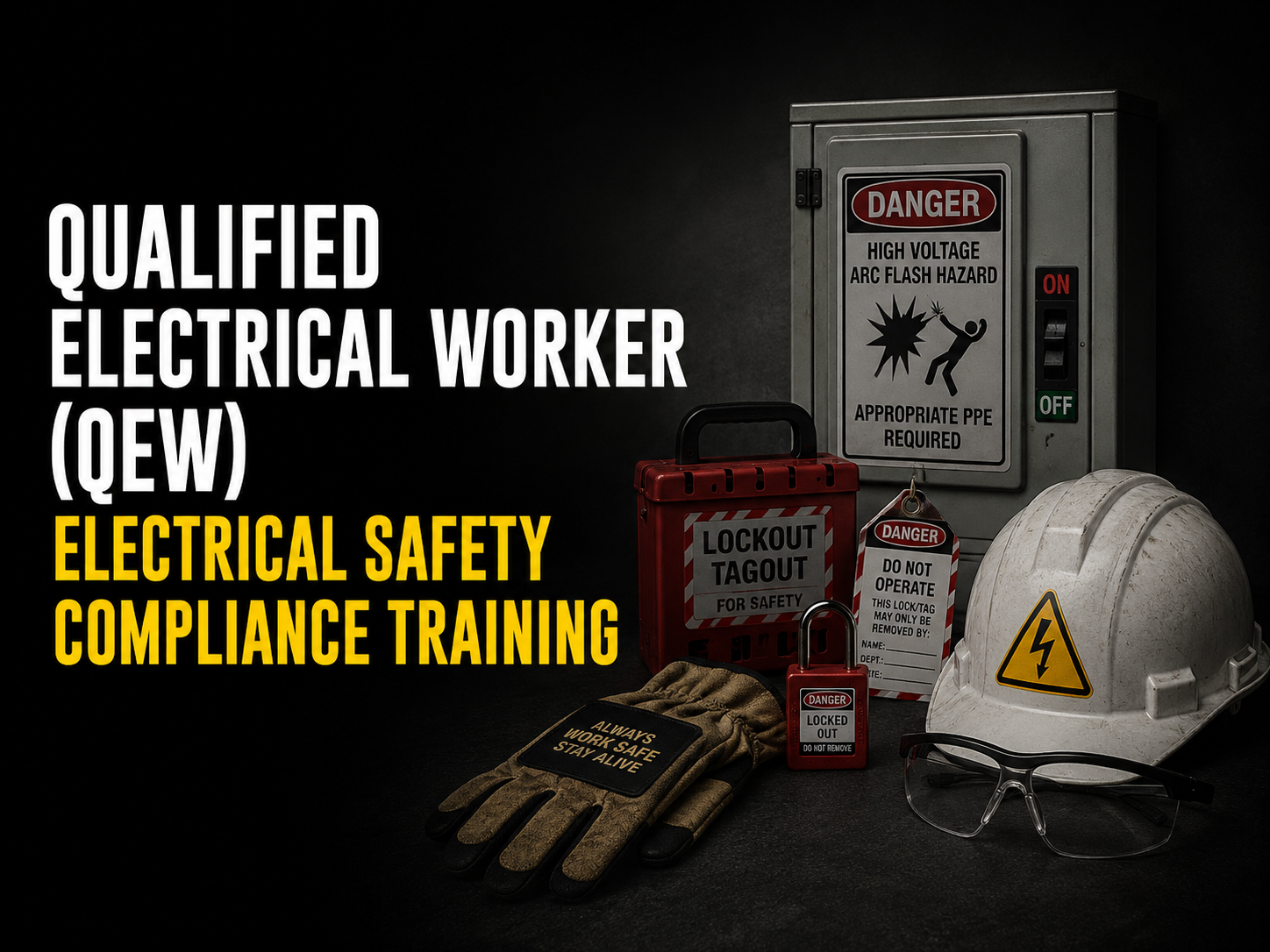
Recommended certification
Qualified Electrical Worker (QEW) — Electrical Safety Compliance Training
$80 · ~3h online · certificate issued same day · valid 2 years
Also read: AI-Powered Drone Tower Inspections: Threat or Opportunity for Certified Climbers · Group Certification Discounts: Train Your Whole Crew for Less Than One OSHA Fine
For professionals working in telecom construction, these NFPA 70E updates have direct consequences for daily operations and job site safety protocols. Tower climbers face unique electrical hazards because they often work at heights where electrical contact poses both electrocution and fall risks simultaneously. The revised standard requires enhanced pre-work hazard assessments specifically addressing these compound dangers.
The 5G network expansion has accelerated demand for telecom construction workers, but it has also introduced new electrical hazards. Many 5G equipment installations involve higher-density power systems and more complex interconnections than previous wireless standards. Construction workers installing remote radio units, power supplies, and fiber connections must now comply with more rigorous electrical safety practices outlined in the updated NFPA 70E standard.
Employers are responding by investing more heavily in safety certifications and specialized training programs. Workers who hold current NFPA 70E certifications—demonstrating knowledge of arc flash hazards, proper PPE selection, and electrical safety protocols—are increasingly valued in the telecom construction job market. This creates strong career advancement opportunities for safety-conscious professionals willing to pursue specialized electrical safety credentials.
Compliance Strategies for Construction Teams
Organizations operating in the telecom construction sector should implement comprehensive compliance strategies addressing the NFPA 70E updates. First, conduct thorough electrical hazard analyses for all work sites where employees may encounter electrical risks. This includes tower climbing sites, equipment rooms, outdoor cabinets, and 5G installation locations.
Second, update your personal protective equipment inventory. Ensure all arc-rated clothing, safety glasses, and protective gear meet current NFPA 70E category requirements for the specific electrical hazards present at your job sites. Third, schedule comprehensive safety training for all construction workers, with particular emphasis on employees who regularly work around electrical systems during telecom construction projects.
Documentation is equally critical. Maintain detailed records of all electrical hazard assessments, training completion, equipment certifications, and incident reports. OSHA regulations now require this documentation to prove compliance with NFPA 70E standards. Regular audits of your safety practices will help identify gaps before regulatory inspections occur.
The Path Forward for Electrical Safety in Telecom
As the wireless industry continues expanding with 5G infrastructure and beyond, electrical safety standards will likely continue evolving. Staying current with NFPA 70E requirements isn't just a regulatory obligation—it's a professional responsibility that protects lives. Construction workers who understand these standards and maintain current safety certifications position themselves for sustainable careers in the growing telecom construction field.
For those seeking to advance their careers in telecom construction or tower climbing, Build Right Academy offers comprehensive professional training programs aligned with current industry standards, including NFPA 70E electrical safety certification courses designed specifically for construction workers entering the wireless industry.