The telecom construction industry is experiencing rapid transformation as 5G infrastructure expansion accelerates across North America. With this growth comes an intensified focus on worker safety, particularly for tower climbing professionals who face inherent risks at elevation. Recent updates to fall protection anchor point standards for tower top work platforms represent a significant shift in how telecom construction companies must approach safety protocols and training requirements.
As wireless carriers and infrastructure providers rush to deploy next-generation networks, the demand for skilled telecom construction workers has never been higher. However, this urgency cannot—and must not—compromise the safety standards that protect tower climbers and other personnel working on transmission structures. The new anchor point requirements establish clearer guidelines for equipment certification, installation procedures, and ongoing maintenance of critical safety systems.
Understanding the Updated Fall Protection Anchor Point Requirements
The latest standards governing fall protection anchor points on tower top work platforms have been refined to address gaps identified in previous regulations. These updates primarily focus on ensuring that anchor points can reliably support workers during normal operations and emergency situations. Telecom construction companies must now verify that all anchor points meet specific load capacity requirements and are installed according to engineered specifications.
Key changes include:
- Load Rating Verification: All anchor points must be independently certified to support a minimum of 5,000 pounds per connection point, with documentation readily available for inspection
- Material Specifications: Updated standards specify steel grades and corrosion-resistant coatings required for extended equipment lifespan in outdoor environments
- Installation Documentation: Telecom construction firms must maintain detailed records of anchor point installation dates, inspection results, and maintenance history
- Environmental Assessment: Companies must evaluate how weather conditions, UV exposure, and temperature fluctuations affect anchor point integrity over time
These requirements reflect lessons learned from tower climbing incidents and feedback from safety professionals who work directly in telecom construction. As the industry continues expanding 5G infrastructure, maintaining these standards becomes increasingly critical for both large contractors and smaller regional companies deploying wireless networks.
Impact on Tower Climbing Training and Safety Certifications
Telecom construction training programs must now incorporate comprehensive instruction on the new anchor point standards. Workers pursuing safety certifications in tower climbing need to understand not only how to use fall protection equipment but also how to inspect, evaluate, and validate anchor points before beginning work at elevation.
Training requirements now include:
- Detailed inspection protocols for identifying anchor point defects or deterioration
- Documentation procedures and record-keeping systems for compliance audits
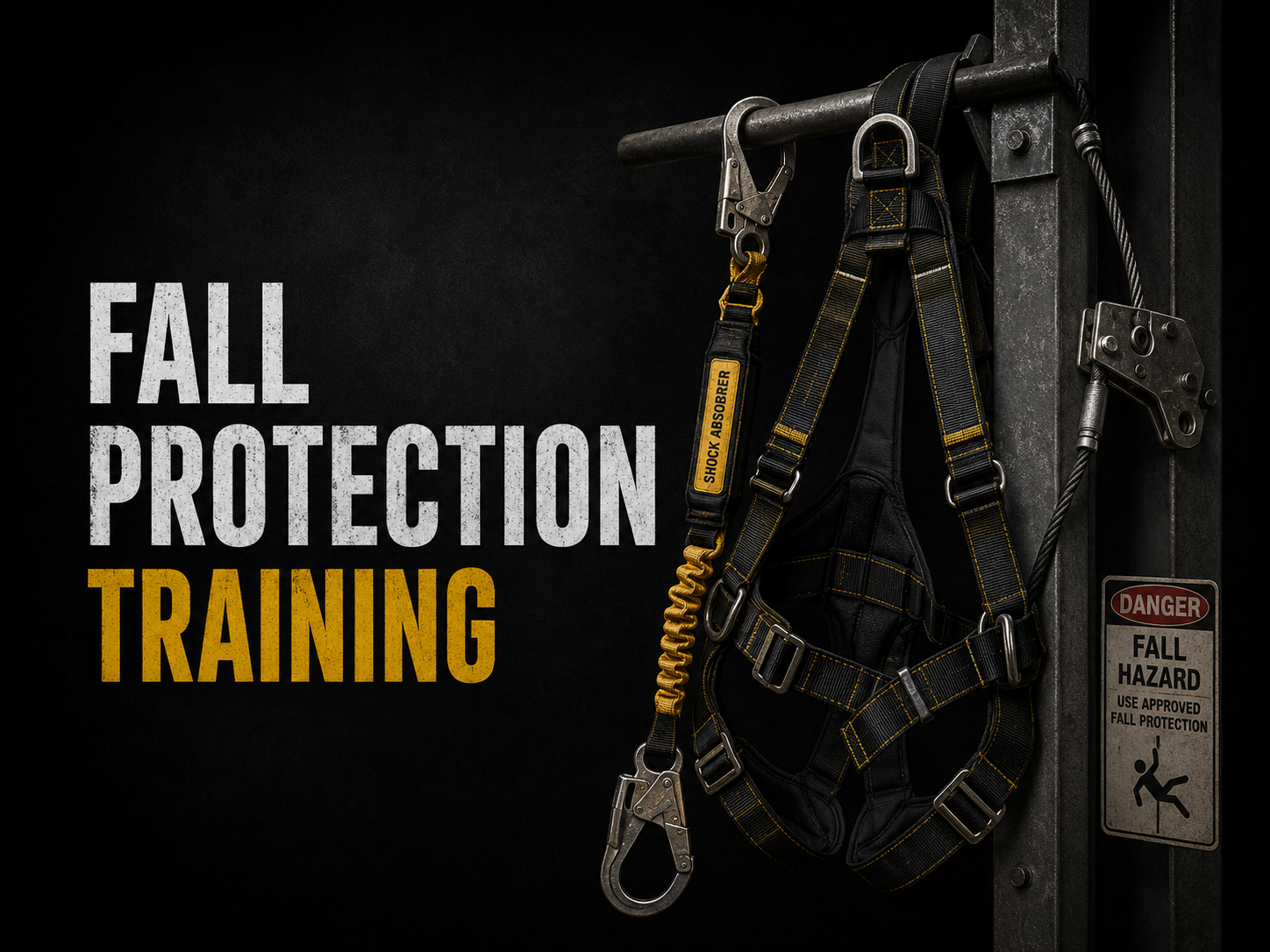
Recommended certification
Fall Protection Training
$30 · ~30 min online · certificate issued same day · valid 2 years
Also read: AI-Powered Drone Tower Inspections: Threat or Opportunity for Certified Climbers · Group Certification Discounts: Train Your Whole Crew for Less Than One OSHA Fine
- Load calculation methods and understanding manufacturer specifications
- Communication procedures for reporting substandard conditions to supervisors and site engineers
Professionals in the telecom construction field recognize that comprehensive training directly correlates with reduced incident rates and improved site safety culture. Safety certifications that include anchor point evaluation demonstrate to employers that workers understand the critical importance of these systems and can make informed decisions during tower climbing operations.
Implementation Timeline and Industry Compliance Challenges
Telecom construction companies face a transition period as they retrofit existing tower top work platforms and establish new inspection schedules. Many contractors are discovering that anchor points installed under previous standards may require upgrades or replacement to meet current requirements. This creates both challenges and opportunities for the industry.
Implementation considerations include:
- Retrofit Costs: Budgeting for anchor point upgrades alongside ongoing 5G deployment projects
- Scheduling: Coordinating safety upgrades with wireless network deployment timelines
- Supply Chain: Ensuring adequate availability of compliant anchor point systems and certified installation materials
- Workforce Training: Allocating resources for safety certifications and continuing education on new standards
Despite these challenges, industry leaders recognize that investing in proper fall protection infrastructure protects their workforce and reduces potential liability. Telecom construction companies that prioritize these standards enhance their reputation with wireless carriers and demonstrate commitment to best practices in tower climbing safety.
Moving Forward: Best Practices for Telecom Construction Safety
The evolution of fall protection standards reflects the telecom construction industry's maturation and increasing professionalism. As 5G networks continue expanding and tower climbing remains a critical component of wireless infrastructure development, safety standards will likely continue advancing.
Organizations should establish comprehensive safety management systems that extend beyond minimum compliance. This includes regular third-party audits, worker feedback mechanisms, and continuous improvement processes. By treating fall protection anchor points as critical infrastructure requiring ongoing attention, telecom construction companies protect their workers while maintaining competitive advantage in a growing market.
Professionals interested in building careers in telecom construction should prioritize obtaining recognized safety certifications and training from reputable providers who stay current with evolving industry standards. Organizations like Build Right Academy offer professional training programs designed specifically for telecom industry careers, covering everything from fundamental safety protocols to advanced tower climbing techniques aligned with current industry requirements.