The race to deploy 5G infrastructure across North America has reached critical momentum, with AT&T, Verizon, and T-Mobile announcing significant network expansion milestones in 2024. These achievements underscore the massive demand for skilled telecom construction professionals, tower climbers, and certified technicians who can safely execute complex wireless infrastructure projects. As carriers invest billions into 5G buildout, understanding the scope and requirements of these deployments is essential for anyone pursuing a career in telecom construction.
Verizon's Ultra-Wideband Expansion and Infrastructure Investment
Verizon has emerged as a leader in 5G Ultra-Wideband (UWB) deployment, with coverage now reaching over 80% of the U.S. population. The carrier's commitment to expanding mid-band and millimeter-wave 5G networks requires deploying thousands of new cell sites, macro towers, and small cells in both urban and rural markets. This massive infrastructure project demands experienced tower climbers and telecom construction teams equipped with proper safety certifications and technical expertise.
The company's 5G buildout strategy involves upgrading existing tower infrastructure as well as constructing new sites from the ground up. Tower climbing professionals working on Verizon projects must maintain current certifications in tower safety, including OSHA standards for fall protection and rescue procedures. Field teams also need competency in:
- 5G equipment installation and fiber backhaul connections
- Radio frequency (RF) safety compliance and measurement
- Antenna alignment and optimization techniques
- Vertical construction and rope access methods for challenging terrain
Verizon's infrastructure investments have created sustained demand for certified tower climbers across multiple regions, with many positions offering premium compensation for professionals holding advanced certifications in telecom construction safety.
AT&T's Nationwide 5G Coverage Goals and Network Densification
AT&T has deployed 5G service to over 20,000 cell sites nationwide, with aggressive plans to continue densifying networks in metropolitan areas and expanding rural coverage. The carrier's strategy emphasizes both spectrum efficiency and geographic breadth, requiring telecom construction teams to work across diverse environments—from downtown high-rises requiring rope access techniques to remote towers accessible only by helicopter or all-terrain vehicles.
Network densification projects are particularly labor-intensive, as they require positioning new small cells and distributed antenna systems (DAS) on existing structures, utility poles, and rooftops. Professionals in these roles need specialized training in:
- Small cell installation on rooftops and street-level infrastructure
- Fiber optic splicing and backhaul deployment
- Compliance with zoning regulations and local permitting requirements
- Safety certifications specific to work-at-height operations on building facades
AT&T's buildout has prioritized speed-to-market, creating consistent opportunities for telecom construction companies and independent contractors with proven expertise in rapid deployment and safety compliance. Tower climbers working on AT&T projects benefit from standardized safety protocols and clear career advancement pathways within large construction organizations.
T-Mobile's Rural 5G Initiative and Network Integration
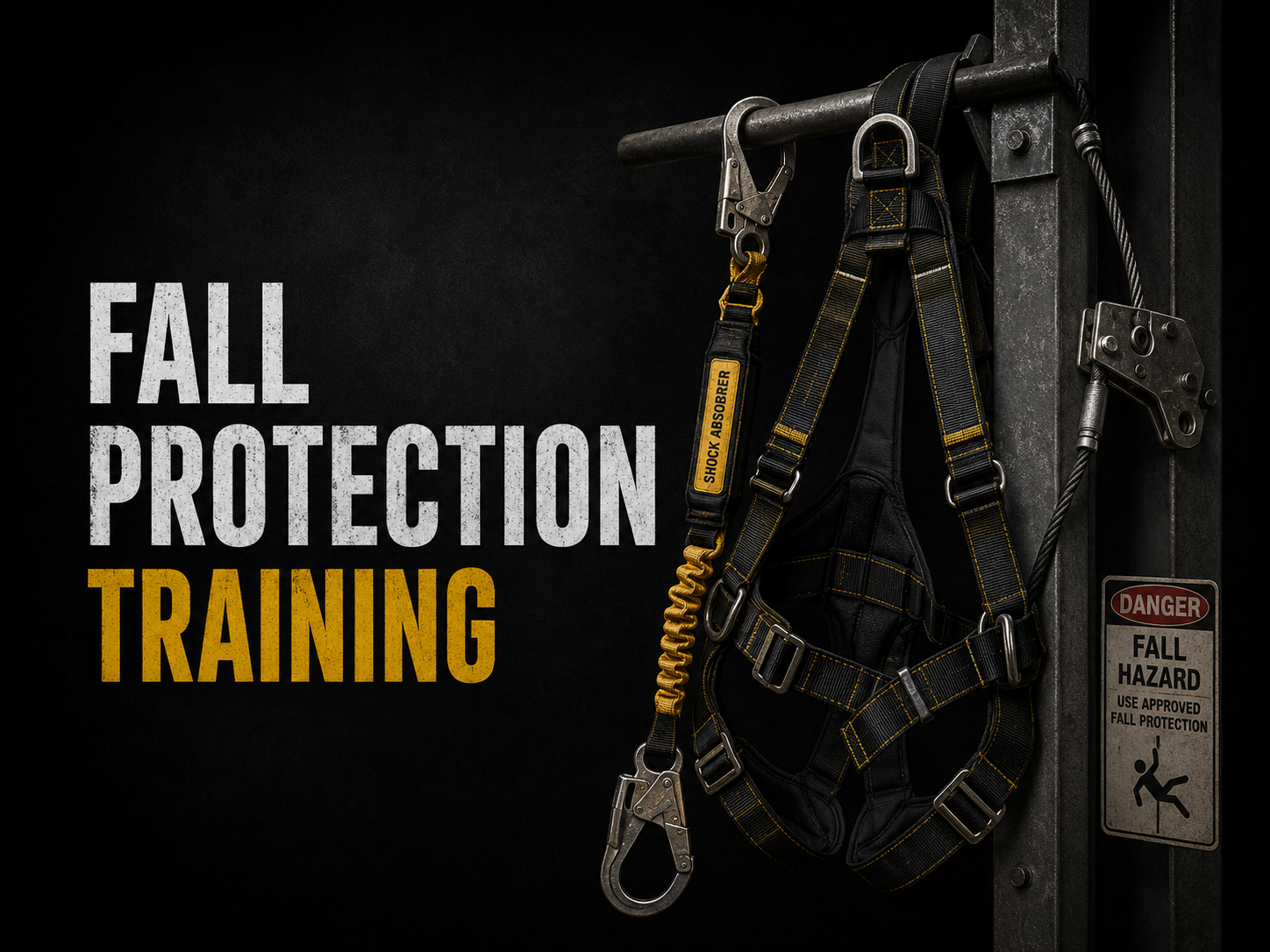
Recommended certification
Fall Protection Training
$30 · ~30 min online · certificate issued same day · valid 2 years
Also read: OSHA Telecom Enforcement Actions Surge 34% as Workforce Turnover Hits 15-Year High · ANSI/TIA Tower Standards: What Changes on the Job Site
T-Mobile's post-merger integration strategy has focused on leveraging the combined asset base of T-Mobile and Sprint to accelerate 5G deployment, particularly in underserved rural and suburban markets. The carrier has announced reaching 5G coverage to over 99% of Americans, with specific emphasis on closing connectivity gaps in small towns and remote regions. This ambitious rural deployment strategy creates unique challenges and opportunities for telecom construction professionals.
Rural 5G projects often involve tower climbing work in challenging geographic conditions, requiring crews with advanced technical skills and adaptability. Key competencies for T-Mobile's rural buildout include:
- Tower climbing and rigging experience in remote, weather-exposed environments
- Independent problem-solving for equipment installation in areas with limited infrastructure support
- Cross-training in generator operation, battery backup systems, and alternative power solutions
- OSHA and industry-specific safety certifications for isolated work environments
T-Mobile's commitment to rural 5G represents a long-term career opportunity for tower climbers and construction crews willing to work in diverse geographic markets and variable weather conditions.
Skills and Certifications Driving Telecom Construction Demand
All three carriers' 5G expansion initiatives have created unprecedented demand for qualified telecom construction professionals. Industry analysts project continued growth in tower climbing positions, wireless technician roles, and project management opportunities throughout 2024 and beyond. Professionals entering this field should prioritize obtaining recognized safety certifications and specialized training in 5G infrastructure deployment.
Critical certifications include OSHA fall protection training, tower rescue and first aid credentials, and manufacturer-specific training for 5G equipment installation. Companies consistently prioritize candidates who demonstrate commitment to safety excellence and continuous professional development in an evolving technological landscape.
Whether you're interested in tower climbing, telecom construction management, or 5G equipment installation, Build Right Academy offers comprehensive professional training programs designed to prepare students for successful careers in wireless infrastructure. Our curriculum covers safety certifications, technical skills, and industry best practices aligned with carrier requirements and OSHA standards.
Related Courses at BuildRight Academy
Get certified online — training built to OSHA standards for construction and telecom workers:
- RF Awareness, Safety, and Hazard Training
- Capstan Hoist Safety and Operations Training
Browse by category: