The rapid expansion of Internet of Things (IoT) technology is reshaping the telecom construction landscape, creating unprecedented demand for skilled tower climbing professionals and field technicians. As carriers nationwide accelerate 5G rollout and deploy edge computing infrastructure, the industry faces a critical shortage of trained workers capable of safely installing, maintaining, and upgrading wireless towers and related equipment. This growth trend underscores the importance of specialized training and proper safety certifications for anyone entering the telecom construction field.
IoT Growth Fueling Tower Infrastructure Demands
The global IoT market is projected to exceed 15 billion connected devices by 2024, requiring massive investments in supporting telecom infrastructure. Unlike previous technology transitions, IoT deployment demands widespread, dense tower networks to handle the volume of data transmission from smart devices, sensors, and industrial applications. Carriers are expanding their tower portfolios not just in urban centers but in suburban and rural areas, where IoT applications in agriculture, logistics, and manufacturing are driving connectivity needs.
This infrastructure build-out directly translates to job creation across multiple telecom construction disciplines:
- Tower Climbing: Installation and maintenance of cellular towers, small cells, and antenna systems require experienced climbers trained in industry-specific safety protocols
- 5G Network Deployment: Technical expertise needed for fiber backhaul installation, millimeter-wave antenna positioning, and equipment mounting at heights
- Ground-Level Support: Cable installation, foundation work, and equipment staging require trained telecom construction workers
- Inspection and Compliance: Regular tower inspections and safety audits demand certified professionals familiar with RF hazard assessment
According to recent industry reports, major carriers have committed $100+ billion annually to network infrastructure improvements, with a significant portion allocated to IoT-enabling tower expansion projects. This investment cycle is expected to sustain high demand for qualified telecom construction personnel through 2026 and beyond.
Safety Certifications: Meeting Industry Standards
As tower climbing demand accelerates, employers increasingly prioritize workers with recognized safety certifications. The telecom construction industry relies on several critical credentials that demonstrate competency and risk awareness:
- OSHA 30-Hour Card: Essential for supervisory roles and comprehensive workplace safety understanding
- ANSI/ASSE A10.48 Standard: Specific to wireless communication tower climbing and safety requirements
- CPR and First Aid Certification: Required for emergency response capability in remote construction sites
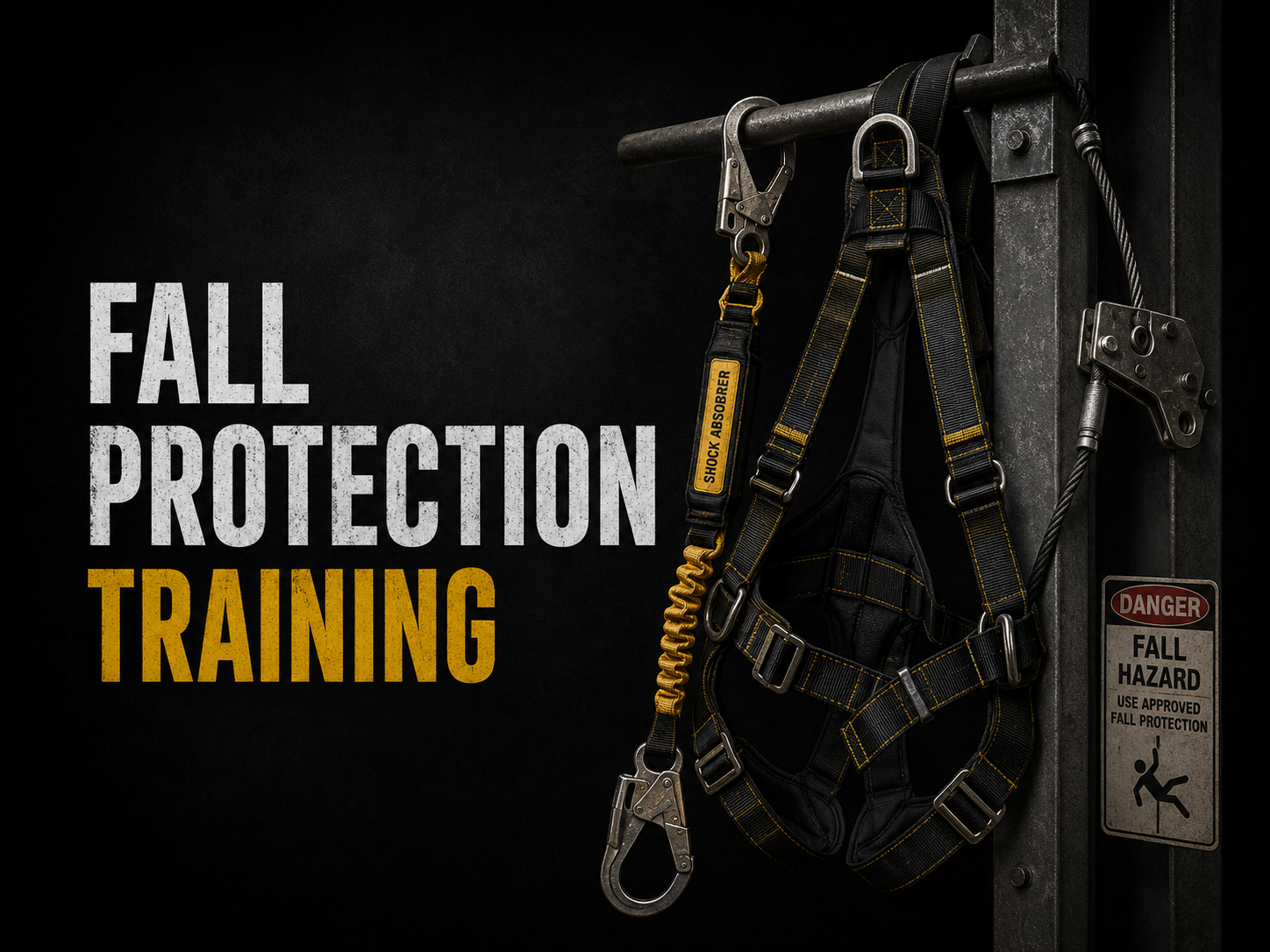
Recommended certification
Fall Protection Training
$30 · ~30 min online · certificate issued same day · valid 2 years
Also read: OSHA Telecom Enforcement Actions Surge 34% as Workforce Turnover Hits 15-Year High · ANSI/TIA Tower Standards: What Changes on the Job Site
- RF Awareness Training: Critical for workers near active antennas and broadcast equipment
- Fall Protection Certification: Mandatory for all personnel working at heights on tower structures
Carriers and construction contractors now routinely require proof of these certifications before hiring, making formal training programs an essential stepping stone for career advancement. Workers who obtain these credentials not only improve their employment prospects but also command higher wages and access better-paying projects.
The 5G Connection: Driving Specialized Skills
5G deployment represents a distinct phase of tower and telecom construction work, requiring specialized knowledge beyond traditional cell site maintenance. The technology's reliance on dense, distributed antenna systems (DAS) and small cell networks creates unique construction challenges that demand properly trained crews.
5G infrastructure projects involve:
- Mounting equipment on buildings, utility poles, and water towers in residential areas
- Underground fiber installation to support backhaul networks
- Complex antenna alignment and RF testing procedures
- Integration with existing 4G infrastructure during transition phases
Telecom construction workers with 5G experience and appropriate certifications are commanding premium rates, with some contractors reporting 15-25% wage premiums for specialized crews. This economic incentive is encouraging more workers to pursue formal training and industry credentials.
Career Opportunities in Expanding Markets
The convergence of IoT growth, 5G expansion, and aging infrastructure replacement is creating a multi-year employment boom in telecom construction. Rural electrification programs and broadband expansion initiatives funded by government legislation further amplify job opportunities beyond traditional metropolitan markets.
For workers considering a telecom construction career, the timing is optimal. Entry-level positions in cable installation and ground support can lead to tower climbing roles, supervisory positions, and specialized technical careers. The skills developed through formal training translate across multiple employers and geographic markets, providing career stability and mobility.
Build Right Academy offers comprehensive professional training programs designed to prepare individuals for successful careers in telecom construction. From foundational safety certifications to advanced tower climbing techniques, our curriculum aligns with industry standards and employer expectations, helping students launch rewarding careers in this growing field.