The telecom infrastructure industry is booming, and tower climbers are in high demand. Whether you're looking for a lucrative career change or exploring the telecom field, becoming a certified tower climber offers excellent earning potential, job security, and advancement opportunities. This comprehensive guide walks you through every step of the journey, from understanding the role to landing your first position.
What Does a Tower Climber Do?
Tower climbers, also known as telecom climbers or RF technicians, perform critical maintenance, installation, and repair work on cellular towers, broadcast towers, and other telecommunications infrastructure. These professionals work at heights ranging from 100 to over 1,500 feet, installing antennas, cables, and equipment that keeps our connected world functioning.
The work involves:
- Installing and maintaining wireless equipment
- Troubleshooting network issues
- Performing routine inspections and safety checks
- Working with various climbing and safety equipment
- Following strict OSHA and FCC regulations
It's demanding work that requires physical fitness, attention to detail, and a commitment to safety—but the rewards are substantial.
Step 1: Assess Your Qualifications and Physical Requirements
Before pursuing certification, ensure you meet the basic prerequisites. Most employers require:
- Age: At least 18 years old
- Education: High school diploma or GED
- Physical fitness: Ability to lift 50+ pounds regularly and climb at heights
- Valid driver's license: Many positions require travel to job sites
- Clean background check: No serious felonies
- Drug screening: Ability to pass pre-employment and random drug tests
Tower climbing is physically demanding. You'll need excellent cardiovascular health, strength, and balance. If you're not currently in peak physical condition, begin a training regimen that includes cardio, strength training, and flexibility work.
Step 2: Gain Foundational Knowledge Through Training
Proper training is essential—tower climbing is dangerous work, and inadequate preparation puts lives at risk. Several paths exist for gaining foundational knowledge:
Formal Trade Schools: Specialized telecom training institutions offer comprehensive programs covering safety protocols, equipment operation, basic electronics, and climbing techniques. These programs typically run 2-4 weeks and provide hands-on instruction.
Apprenticeships: Some climbing companies offer paid apprenticeships where you learn on the job under experienced climbers. This takes longer but provides real-world experience and income.
Online Courses: Foundation courses in telecommunications basics, safety principles, and industry standards prepare you for more intensive training.
What to Look For in Training: Choose programs that emphasize OSHA compliance, working at heights certification, and practical climbing experience. The best programs include both classroom instruction and tower practice.
Step 3: Obtain Essential Safety Certifications
Safety certifications are non-negotiable in the tower climbing industry. These certifications demonstrate your competency and are required by most employers:
OSHA 30-Hour Card: This certification covers occupational safety standards and is highly valued by employers. It takes 30 hours to complete and can be obtained through approved training providers.
Working at Heights Certification: Specific to tower climbing, this certification covers fall protection, rescue procedures, and working safely at extreme heights. Many training schools include this in their programs.
First Aid and CPR Certification: Emergency medical training is essential when working in remote locations. Maintain current certifications throughout your career.
ANSI/ASSE A10.48: This standard specifically addresses safety requirements for tower climbing and is increasingly required by major telecom companies.
Step 4: Complete Hands-On Tower Climbing Training
Theoretical knowledge must be backed by practical experience. Quality tower climbing training includes:
- Hands-on climbing practice on training towers
- Safety equipment instruction (harnesses, carabiners, lanyards)
- Emergency descent and rescue procedures
- Real equipment and tools used in the industry
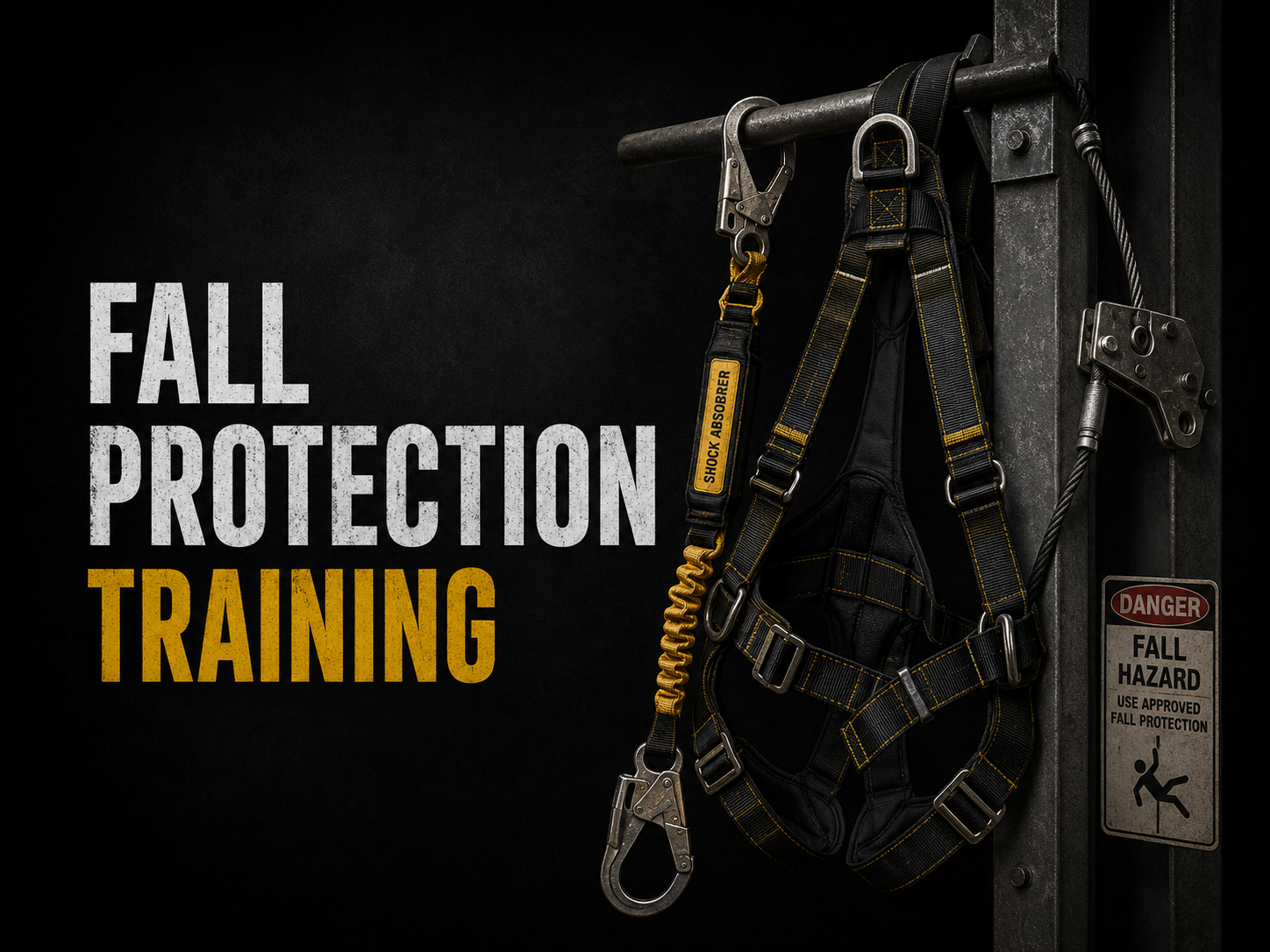
Recommended certification
Fall Protection Training
$30 · ~30 min online · certificate issued same day · valid 2 years
Also read: Get Certified on Your Phone: How Mobile Online Courses Fit the Tower Worker Schedule · AI-Powered Drone Tower Inspections: Threat or Opportunity for Certified Climbers
- Supervised climbs at progressively greater heights
This practical training is where you develop the muscle memory and confidence necessary for safe work. Don't skip this step or choose programs that don't emphasize hands-on practice.
Step 5: Consider Additional Certifications and Specializations
After obtaining basic certifications, advancing your career involves specialized training:
RF Safety Awareness: Understanding radiofrequency hazards protects your health and enhances your value to employers.
Rigging and Equipment Installation: Specializing in antenna installation and complex rigging opens higher-paying positions.
Network Fundamentals: Basic telecommunications knowledge helps you understand the systems you're maintaining.
Electrical Competency: Some positions require understanding of power systems and electrical safety.
Step 6: Build Your Career and Gain Experience
Your first position typically starts as a ground crew member or junior climber, working alongside experienced technicians. This is where you apply classroom learning in real conditions:
- Start with ground duties while developing climbing proficiency
- Gradually take on more complex climbing tasks
- Build relationships with experienced climbers
- Learn company-specific procedures and equipment
- Track your hours and experience for advancement
Most climbers reach full earning potential within 2-3 years of starting in the field.
Step 7: Maintain and Renew Certifications
The telecom industry evolves continuously. Maintain your competitive edge by:
- Renewing certifications before expiration
- Pursuing continuing education opportunities
- Staying updated on industry standards changes
- Building specialized skills
Key Takeaways for Your 2025 Career Launch
Becoming a certified tower climber requires commitment to safety, physical fitness, and continuous learning. The career offers excellent compensation—experienced tower climbers earn $60,000-$100,000+ annually—along with job security and advancement opportunities in a growing industry.
The most successful climbers start with quality training, prioritize safety at every level, and view their certifications as ongoing commitments rather than one-time achievements.
Ready to Start Your Tower Climbing Career?
Build Right Academy offers comprehensive telecom training programs designed to prepare you for certification and career success. Our hands-on courses cover everything from foundational knowledge to advanced climbing techniques, taught by industry-experienced instructors.
Explore our tower climbing and telecom certification courses today and take the first step toward a rewarding career in telecommunications infrastructure.
`
Related Courses at BuildRight Academy
Get certified online — training built to OSHA standards for construction and telecom workers:
- RF Awareness, Safety, and Hazard Training
- Fall Protection For Construction
- Capstan Hoist Safety and Operations Training
Browse by category: