The telecommunications industry is experiencing unprecedented growth driven by 5G expansion and network densification. As tower climbing and telecom construction projects increase in complexity and scale, adherence to safety standards has never been more critical. The American National Standards Institute (ANSI) and the Telecommunications Industry Association (TIA) have recently updated their tower standards to reflect modern construction practices, emerging safety concerns, and evolving workplace requirements. These updates directly impact tower climbers, construction crews, and safety certification holders across the industry.
Key Changes in the Latest ANSI/TIA Tower Standards
The updated ANSI/TIA standards represent a significant evolution in how telecom construction and tower maintenance are approached. These revisions address gaps identified in previous versions and incorporate lessons learned from real-world deployment challenges, particularly those encountered during rapid 5G infrastructure rollout.
Among the most notable updates are enhanced requirements for:
- Personal Fall Arrest Systems (PFAS): Stricter inspection protocols and more detailed certification requirements for tower climbing equipment
- Training Documentation: Expanded records management for safety certifications and competency validation
- Environmental Considerations: Updated guidelines for working on towers in extreme weather conditions and high-altitude environments
- Rescue Procedures: More comprehensive emergency response protocols for tower climbing incidents
- 5G-Specific Requirements: New considerations for working on densified networks with increased equipment loads and antenna configurations
These changes underscore the industry's commitment to reducing accidents and improving safety outcomes across telecom construction sites. According to industry data from sources like Wireless Estimator, fall-related incidents remain a concern in tower climbing operations, making these updated standards essential for protecting workers and ensuring project compliance.
Impact on Tower Climbing and Safety Certification Programs
The revised ANSI/TIA standards have direct implications for tower climbers and those pursuing safety certifications in telecom construction. Training providers and employers must now ensure that their programs align with these updated requirements, and current certification holders may need to pursue continuing education to maintain compliance.
Key impacts include:
- More rigorous tower climbing competency assessments required for new workers entering the field
- Expanded scope for telecom construction safety certifications, now covering 5G-specific scenarios
- Increased emphasis on rescue training and self-rescue techniques for tower climbers
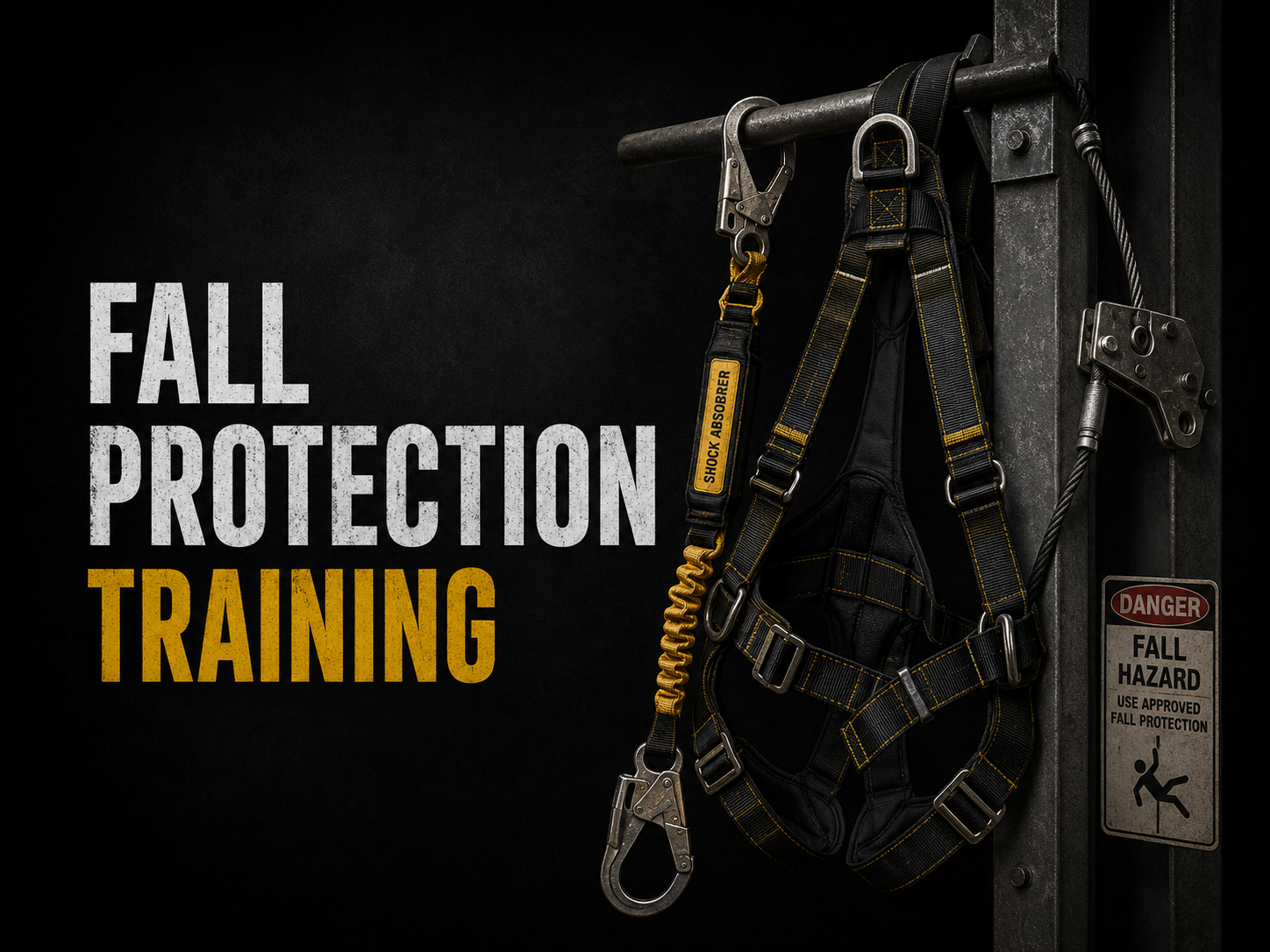
Recommended certification
Fall Protection Training
$30 · ~30 min online · certificate issued same day · valid 2 years
Also read: AI-Powered Drone Tower Inspections: Threat or Opportunity for Certified Climbers · Group Certification Discounts: Train Your Whole Crew for Less Than One OSHA Fine
- Enhanced documentation requirements that create better accountability in the field
- New guidelines for equipment maintenance intervals and inspection frequency
Employers investing in comprehensive training programs that address these updated standards position themselves competitively while reducing liability exposure and improving crew safety records. Workers who maintain current certifications aligned with the latest ANSI/TIA standards are increasingly valuable to telecom construction companies managing complex 5G projects.
5G Infrastructure Deployment and Evolving Standards
The rapid expansion of 5G networks has created unique challenges that the updated ANSI/TIA standards directly address. Unlike previous generation infrastructure, 5G deployments often involve small cell networks, densified tower sites, and complex equipment configurations that require tower climbers to adapt their skills and safety practices.
New standard provisions specifically account for:
- Higher antenna densities on existing tower structures
- Increased weight loads requiring additional structural analysis
- RF exposure management during active 5G deployments
- Coordinated work on sites with multiple carriers and contractors
- Real-time communication protocols for tower climbing operations in complex environments
As the telecommunications industry continues buildout of 5G infrastructure, these standards ensure that tower climbers and telecom construction workers can safely execute increasingly technical installations. The convergence of advanced technology and rigorous safety protocols represents the industry's maturation and commitment to worker protection.
Preparing Your Organization for Compliance
Organizations must take proactive steps to ensure compliance with updated ANSI/TIA standards. This includes reviewing current training curricula, auditing equipment inventory, updating safety procedures, and scheduling competency assessments for existing tower climbing staff. Industry experts recommend conducting a thorough gap analysis between current practices and new standard requirements.
Compliance strategies should include investing in ongoing professional development, maintaining detailed safety certification records, and fostering a culture of continuous improvement in telecom construction practices. By embracing these updated standards now, organizations position themselves as industry leaders and demonstrate genuine commitment to worker safety.
Build Right Academy offers comprehensive professional training programs designed to meet current ANSI/TIA standards and equip workers with the knowledge and certifications needed for successful telecom construction careers. Our courses cover tower climbing fundamentals, safety protocols, 5G-specific competencies, and specialized certifications that align with industry requirements—helping your team stay compliant and competitive.