As 5G infrastructure deployment accelerates across North America, roadside telecom construction projects have become increasingly common in urban and suburban environments. These high-visibility work zones present unique safety challenges that require strict adherence to both Manual on Uniform Traffic Control Devices (MUTCD) standards and Occupational Safety and Health Administration (OSHA) regulations. Understanding the latest updates to these guidelines is essential for any telecom construction company looking to protect workers, maintain compliance, and avoid costly fines.
Understanding MUTCD Standards for Telecom Construction Work Zones
The MUTCD, maintained by the Federal Highway Administration, establishes the standards for traffic control devices on all public roads in the United States. For telecom construction crews working alongside highways or busy roads, MUTCD compliance is not optional—it's a federal requirement that directly impacts worker safety and project legality.
Recent MUTCD updates have introduced more stringent requirements for temporary traffic control (TTC) zones, particularly for construction activities that extend into the roadway shoulder or require equipment positioning near traffic lanes. Key changes include:
- Enhanced visibility requirements: Work zone signs must now meet higher retroreflectivity standards to ensure visibility during day and night operations
- Advance warning distances: Telecom construction zones must now provide advance notification at greater distances, especially on high-speed roadways
- Taper length specifications: Updated formulas for taper lengths ensure smoother traffic transitions and reduce congestion-related incidents
- Flagger positioning: New guidelines specify precise positioning for traffic control personnel managing work zones
For tower climbing teams and equipment operators working in roadside positions, these MUTCD standards create a structured safety perimeter that protects both construction workers and the traveling public. Failure to implement proper MUTCD traffic control can result in fines ranging from $500 to $10,000 per violation, depending on severity and jurisdiction.
OSHA Regulations for Roadside Telecom Construction Safety
Beyond traffic control, OSHA regulations establish mandatory safety protocols for all telecom construction workers, with particular emphasis on hazards associated with roadside environments. OSHA's construction standards (29 CFR Part 1926) address multiple risk factors relevant to 5G deployment and other telecom infrastructure projects.
Critical OSHA requirements for roadside telecom construction include:
- Personal Protective Equipment (PPE): High-visibility clothing, hard hats, and reflective vests are mandatory; visibility standards have been updated to require class 3 high-visibility apparel in most roadside scenarios
- Fall protection: Tower climbing operations require 100% fall protection systems with regular inspection and certification
- Equipment grounding: All telecom construction equipment must be properly grounded to prevent electrical hazards
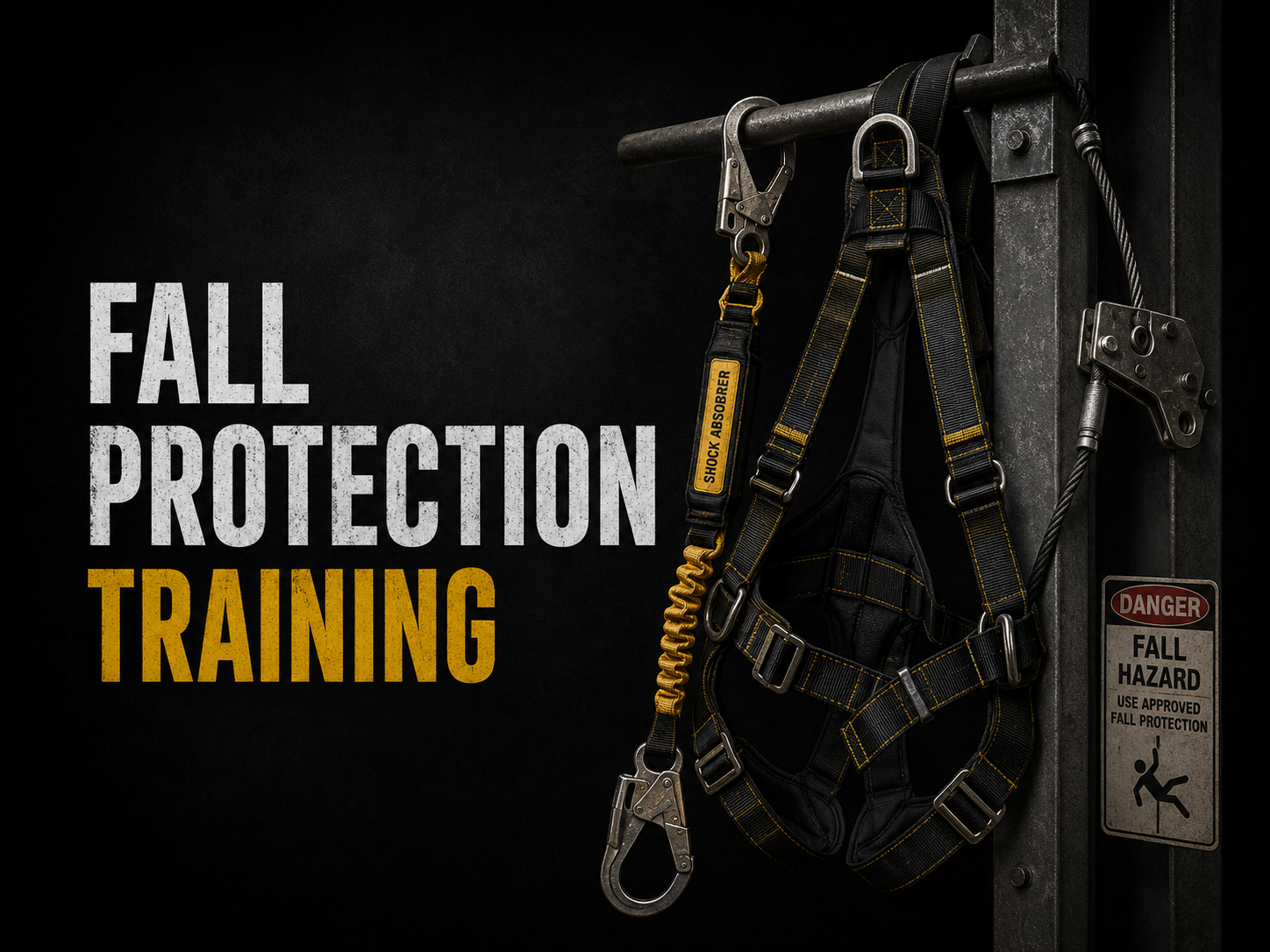
Recommended certification
Fall Protection Training
$30 · ~30 min online · certificate issued same day · valid 2 years
Also read: When the Market Falls, Bodies Follow: The Deadly Link Between Economic Downturns and Tower Climbing Deaths · Get Certified on Your Phone: How Mobile Online Courses Fit the Tower Worker Schedule
- Traffic management: Work zones must have dedicated traffic control personnel (flaggers) whenever workers are within 15 feet of active traffic lanes
- Incident reporting: Any accidents or near-misses in work zones must be documented and reported within specific timeframes
OSHA inspectors conduct routine audits of roadside telecom construction sites, and citations for non-compliance can result in project shutdowns. Companies operating in this space should ensure all tower climbing personnel hold current OSHA 10-hour or 30-hour certifications, with specialized training in work zone safety protocols.
Best Practices for Implementing Safe Roadside Telecom Construction
Beyond minimum regulatory compliance, best-in-class telecom construction companies implement additional safety measures that reduce incident rates and improve operational efficiency. These practices have become industry standards, particularly among contractors competing for major 5G infrastructure contracts.
- Pre-project safety audits: Conduct detailed site assessments to identify traffic patterns, visibility limitations, and environmental hazards before equipment arrives
- Daily toolbox talks: Brief all crew members on specific hazards for that day's work, including weather conditions and traffic volume
- Real-time traffic monitoring: Use traffic counters and spotters to assess real-time conditions and adjust work schedules accordingly
- Equipment staging protocols: Establish clear procedures for positioning trucks, cranes, and climbing equipment to minimize exposure to traffic
- Worker rotation: Rotate personnel away from high-stress positions (such as flagging duties) to maintain alertness throughout shifts
- Regular certification updates: Ensure tower climbing and safety certifications are current and that workers receive refresher training annually
Companies that prioritize these practices consistently report lower insurance premiums, fewer safety violations, and stronger relationships with municipal and state transportation departments—all factors that improve bid competitiveness for 5G deployment contracts.
The Role of Training and Certification in Work Zone Safety
Comprehensive training stands as the foundation for effective roadside telecom construction safety. Workers who understand MUTCD principles, OSHA requirements, and site-specific hazards make better real-time decisions that prevent incidents. Safety certifications also demonstrate to clients and regulators that your workforce meets industry standards.
Professional development in work zone safety has become a competitive advantage in the telecom construction industry, particularly for companies pursuing larger infrastructure projects where safety records directly influence contract awards.
Build Right Academy offers comprehensive professional training programs designed specifically for telecom construction careers, including specialized modules on work zone safety, MUTCD compliance, tower climbing techniques, and OSHA regulations. Whether you're launching a career in telecom construction or seeking to upgrade your team's qualifications, industry-recognized training ensures your workforce is prepared for the demands of modern 5G infrastructure deployment.