The Infrastructure Investment and Jobs Act (IIJA), commonly known as the Broadband Infrastructure Act, has fundamentally reshaped the landscape of telecommunications development across America. As we progress through 2025, implementation efforts have accelerated significantly, creating unprecedented opportunities for skilled telecom construction professionals. Understanding these developments is essential for anyone pursuing a career in tower climbing, network deployment, and broadband infrastructure expansion.
Federal Funding Deployment and Project Expansion
Since the Broadband Infrastructure Act's passage in November 2021, the federal government has allocated over $65 billion in grants and funding mechanisms to bridge the digital divide. In 2025, we're witnessing the tangible results of this investment, with thousands of broadband infrastructure projects moving from planning phases into active construction.
The Broadband Equity, Access, and Deployment (BEAD) Program has distributed substantial funding to state agencies, which are now awarding subgrants to local service providers. This cascading funding model has created a surge in construction activity across rural and underserved urban areas. According to industry reports, project timelines have accelerated considerably, with many states targeting completion of initial phases by 2026.
- Over 15,000 new broadband infrastructure projects initiated nationwide in 2024-2025
- State-level BEAD allocations exceeding $42 billion distributed to local providers
- Fiber-to-the-home (FTTH) deployments outpacing wireless alternatives in rural markets
- 5G network expansion continuing in suburban and secondary markets
Tower Construction and Telecom Infrastructure Growth
The broadband infrastructure act implementation has directly fueled demand for tower climbing professionals and telecom construction specialists. The deployment of new cell towers, antenna installations, and network infrastructure requires experienced technicians capable of working at significant heights while maintaining rigorous safety standards.
Wireless carriers are simultaneously upgrading existing towers for 5G deployment and constructing new tower sites to expand coverage. This dual demand has created a skilled labor shortage in the telecom construction sector. Industry analysts report that companies are struggling to find certified tower climbers and construction technicians, pushing wages higher and creating strong career opportunities for qualified professionals.
The technical demands of modern tower construction have evolved substantially. Workers must now understand not only traditional climbing techniques but also advanced installation procedures for:
- 5G small cell deployment and fiber connectivity
- Network densification equipment and backhaul systems
- Environmental and structural assessment protocols
- Compliance with FCC and OSHA regulations for broadband infrastructure
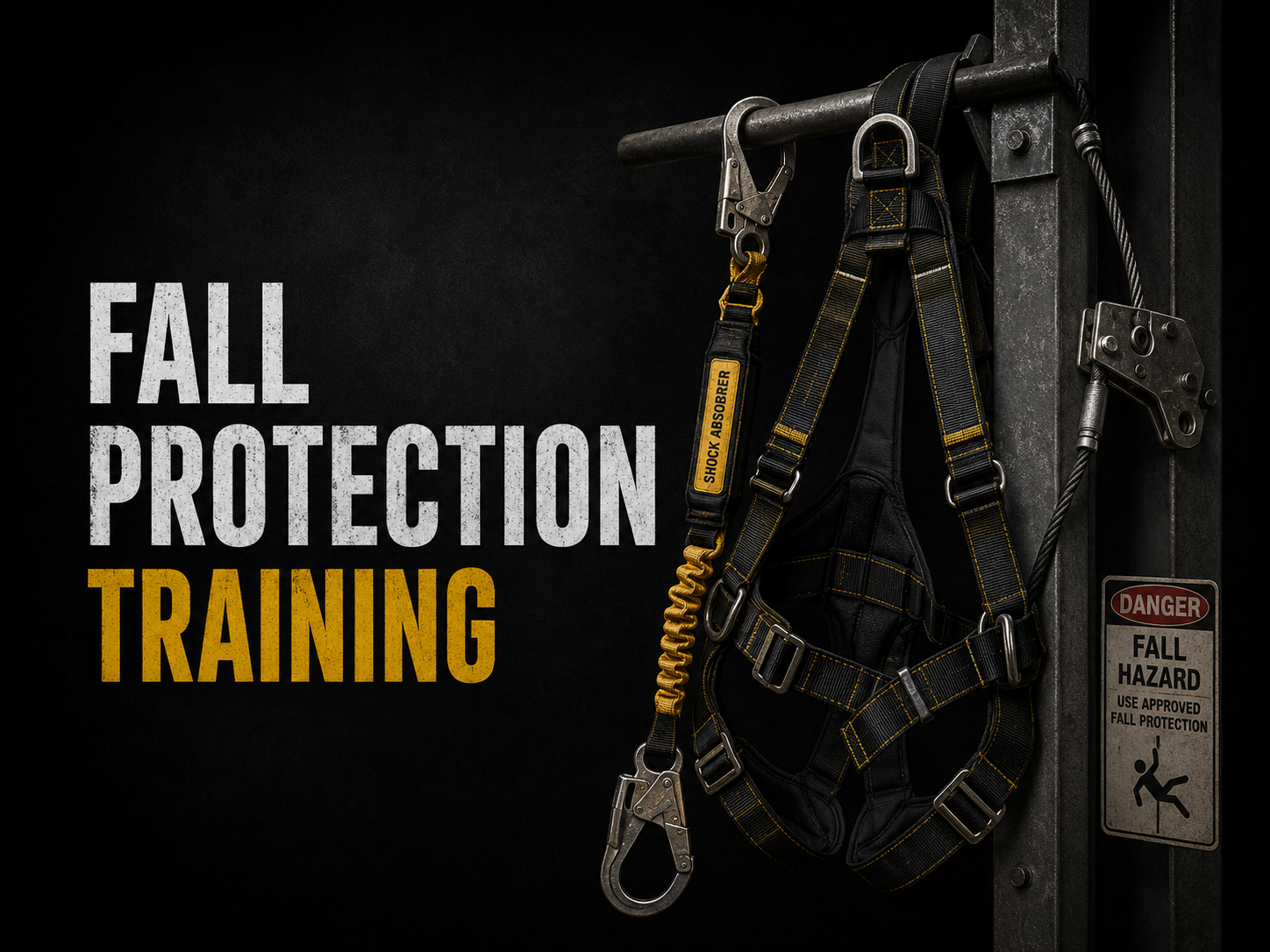
Recommended certification
Fall Protection Training
$30 · ~30 min online · certificate issued same day · valid 2 years
Also read: When the Market Falls, Bodies Follow: The Deadly Link Between Economic Downturns and Tower Climbing Deaths · Get Certified on Your Phone: How Mobile Online Courses Fit the Tower Worker Schedule
Safety Certifications and Professional Standards in 2025
As telecom construction activity intensifies, regulatory scrutiny regarding worker safety has proportionally increased. Federal and state agencies emphasize that all tower climbing and broadband infrastructure work must meet stringent safety requirements. Professionals in this field must obtain and maintain current safety certifications to meet jobsite requirements and legal compliance standards.
The primary certifications driving employment in telecom construction include:
- ANSI/ASSE A10.48 – Criteria for Safety Practices with Cell Towers
- OSHA 30-Hour Card – Occupational Safety and Health Administration certification
- CPR and First Aid Certification – Required on all active construction sites
- RF Awareness Training – Essential for 5G and broadband infrastructure work
- Fall Protection Certifications – Mandatory for tower climbing operations
Employers increasingly require these credentials before hiring, and project contracts often specify that all personnel must maintain current certifications. The competitive advantage gained through comprehensive safety training directly translates to employment opportunities and career advancement in the telecom construction field.
Future Outlook: Sustained Growth Through 2026 and Beyond
The momentum generated by the Broadband Infrastructure Act shows no signs of diminishing. Federal officials have indicated that funding will continue flowing through 2026 and potentially beyond, supporting sustained employment growth in telecom construction sectors. States are planning second-phase deployments to reach additional underserved communities, ensuring that demand for tower climbing specialists and construction professionals will remain robust.
The convergence of broadband infrastructure expansion, 5G network growth, and infrastructure modernization creates a compelling career landscape for professionals committed to developing expertise in telecom construction.
For those considering a career in telecom construction or tower climbing, Build Right Academy offers comprehensive professional training programs designed to prepare workers for real-world challenges in the field. With courses covering safety certifications, technical skills, and industry-specific knowledge, Build Right Academy helps professionals launch and advance successful careers in this growing sector.
Ready to Get Certified?
BuildRight Academy offers 100% online, OSHA-compliant safety certifications you can complete at your own pace.