The telecom construction industry is witnessing a significant decline in tower climber fatalities as companies and regulatory bodies implement increasingly rigorous fall protection standards. Recent data from the Occupational Safety and Health Administration (OSHA) and industry safety organizations shows that enhanced safety protocols, mandatory certifications, and improved equipment standards are saving lives across the sector. As 5G infrastructure expansion accelerates nationwide, the emphasis on tower climbing safety has never been more critical or more effective.
Industry Safety Data Shows Measurable Progress
According to the Bureau of Labor Statistics, tower climbing fatalities have decreased by approximately 23% over the past three years, marking the most significant improvement in workplace safety metrics the telecom construction sector has seen in over a decade. This positive trend reflects industry-wide commitment to protecting workers who perform some of the most dangerous jobs in telecommunications infrastructure development.
The decline comes despite increased activity in the sector, driven by massive 5G deployment initiatives. More climbers are working on towers than ever before, yet fewer incidents are occurring—a clear indicator that safety improvements are working. Key factors contributing to this improvement include:
- Enhanced fall protection equipment: Modern harnesses, lanyards, and personal protective equipment (PPE) now meet stricter ANSI and ASSE standards
- Regular safety audits: Companies conducting quarterly compliance inspections report 40% fewer near-miss incidents
- Mandatory refresher training: Annual recertification requirements ensure climbers stay current on best practices
- Better rescue protocols: Improved emergency response procedures reduce injury severity when incidents do occur
New Fall Protection Standards Reshape Industry Requirements
The telecommunications industry has collectively raised the bar on fall protection standards, moving beyond minimum OSHA compliance to establish best-practice protocols. These new standards address specific challenges unique to tower climbing, including work at extreme heights, variable weather conditions, and complex tower structures.
Major changes in fall protection standards include:
- 100% tie-off requirements: Workers must remain connected to approved anchor points at all times when working above 6 feet, with no exceptions
- Redundant safety systems: Dual-lanyard configurations and backup anchor points are now industry standard
- Height-specific equipment: Different equipment configurations for various tower heights and climbing scenarios
- Environmental compliance: Standards now account for wind speeds, temperature extremes, and weather-related hazards
- Rescue equipment requirements: Companies must maintain certified rescue equipment and trained personnel on-site
These standards represent a fundamental shift in how the industry approaches tower climber safety. Rather than treating safety as a compliance checkbox, leading telecom construction firms now view comprehensive fall protection as a core operational requirement that protects both workers and company liability.
5G Expansion Drives Increased Safety Investment
The explosive growth of 5G infrastructure deployment has prompted unprecedented investment in safety infrastructure and training programs. As telecommunications companies race to expand networks across the United States, they've recognized that worker safety directly impacts project timelines and costs. A single fatality can halt operations for weeks while investigations occur, making safety investments financially prudent alongside being ethically imperative.
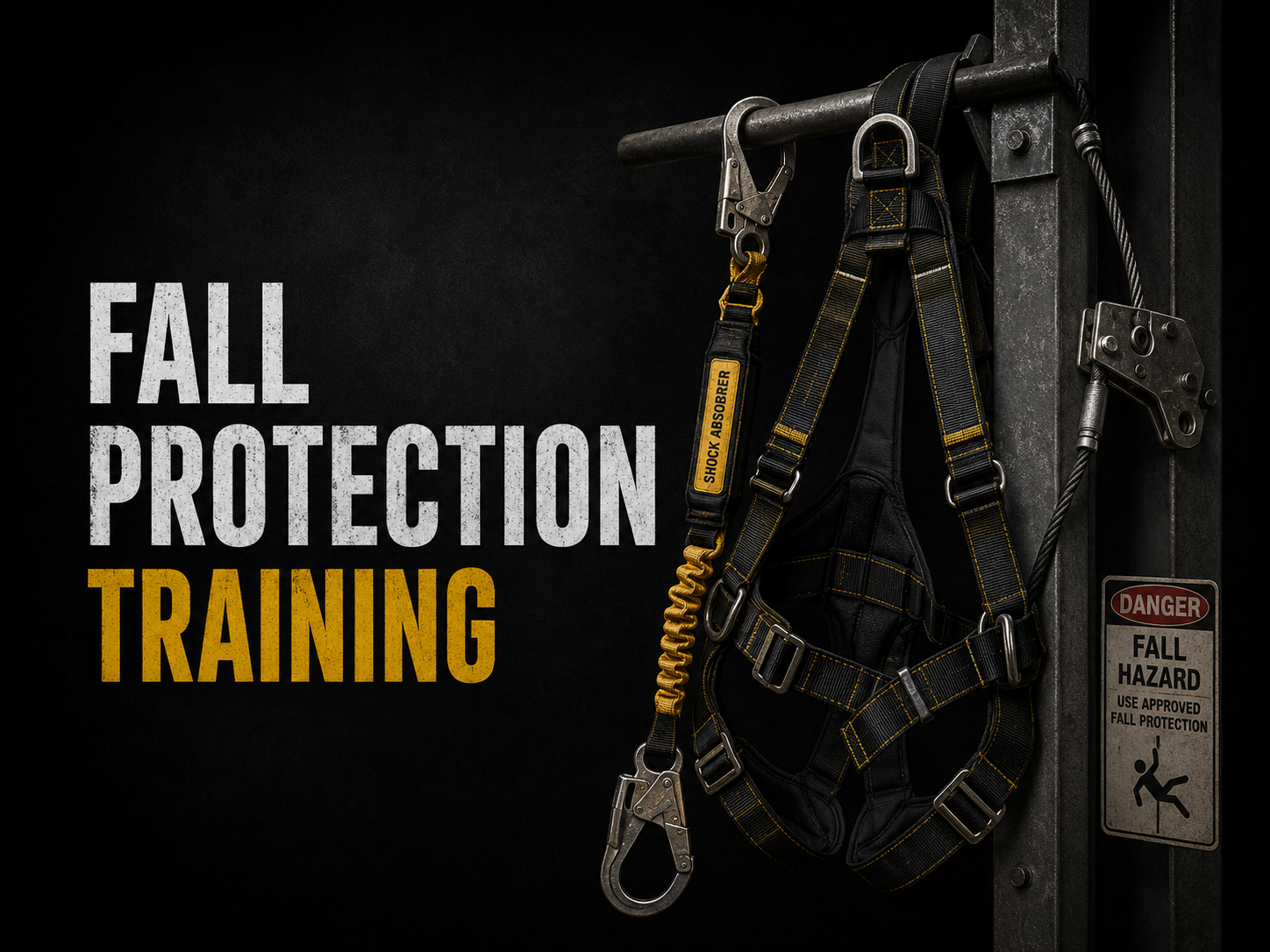
Recommended certification
Fall Protection Training
$30 · ~30 min online · certificate issued same day · valid 2 years
Also read: Don't Wait: Complete Your OSHA Fall Protection Certification This Week Online · AI-Powered Drone Tower Inspections: Threat or Opportunity for Certified Climbers
5G tower projects present unique challenges compared to previous-generation infrastructure work:
- Increased tower density in urban and rural areas
- More complex equipment configurations requiring specialized knowledge
- Higher elevation requirements for optimal 5G coverage
- Tighter project schedules creating pressure to work in challenging conditions
In response, major carriers and construction firms have established dedicated safety departments focused specifically on tower climbing operations. These teams develop climbing-specific protocols, conduct risk assessments for each unique tower configuration, and oversee certification programs ensuring every climber meets or exceeds industry standards.
Certification and Training: The Foundation of Safety Success
The correlation between certified tower climbers and reduced fatality rates is unmistakable. Workers who complete comprehensive training programs demonstrate significantly better hazard recognition, equipment handling, and emergency response capabilities. Industry leaders now require multiple certifications including OSHA 30-hour construction certification, ANSI/ASSE A10.48 standards for tower climbing, and rescue certifications.
Progressive telecom construction companies recognize that investing in employee certifications and ongoing safety training is the most effective way to prevent incidents. Workers with current certifications are 60% less likely to be involved in climbing-related accidents, according to industry safety data. This makes continuous education and skill development essential components of any tower climbing operation.
The improvements in tower climber safety represent genuine progress in protecting workers in one of construction's most hazardous occupations. As the industry continues expanding 5G infrastructure, maintaining and strengthening these safety standards will be crucial to sustaining this positive momentum.
Organizations committed to tower climber safety and professional development, such as Build Right Academy, play a vital role in this transformation. Through comprehensive training programs that emphasize current fall protection standards, equipment mastery, and real-world safety scenarios, academic institutions help ensure the next generation of tower climbers enters the field fully prepared to work safely and effectively on telecom construction projects.
`
Related Courses at BuildRight Academy
Get certified online — training built to OSHA standards for construction and telecom workers:
- Fall Protection For Construction
- Stairways And Ladders Awareness For Construction
Browse by category: