The telecom construction industry is experiencing rapid growth, driven largely by the nationwide rollout of 5G infrastructure and the ongoing demand for tower climbing crews and skilled technicians. However, before contractors and workers can legally operate in this competitive field, they must understand the complex landscape of bonding and licensing requirements that vary significantly from state to state. This guide breaks down what telecom construction professionals need to know to ensure compliance and build credibility in their respective markets.
Understanding Bonding Requirements in Telecom Construction
Bonding is a critical component of legitimacy in telecom construction. A bond serves as a financial guarantee that a contractor will complete work according to contract terms and comply with applicable laws. For telecom construction companies, bonding requirements typically fall into three categories: bid bonds, performance bonds, and payment bonds.
Performance bonds are especially important for larger 5G infrastructure projects, as they protect project owners from financial loss if a contractor fails to complete work. Most state regulations and major clients require telecom contractors to maintain surety bonds ranging from $10,000 to $500,000, depending on project scope and contract value.
- Bid bonds guarantee that a contractor will enter into a contract if their bid is accepted
- Performance bonds ensure project completion and compliance with safety standards
- Payment bonds protect subcontractors and material suppliers from non-payment
- Bonding costs typically range from 1-3% of the contract value annually
Each state's Department of Labor or Occupational Licensing board maintains specific bonding thresholds. For example, California requires higher bonding minimums for telecom construction than rural states, reflecting the volume and complexity of infrastructure projects. Tower climbing crews working on high-risk installations should verify bonding requirements with their state regulatory body before bidding on contracts.
State-by-State Licensing Variations for Telecom Contractors
Unlike bonding requirements, which have some national consistency, licensing requirements for telecom construction vary dramatically across states. Some states classify telecom construction under general contractor licenses, while others have specialized categories for communications infrastructure work.
Major telecom markets have distinct requirements:
- California requires a C-7 Communications Contractors License for telecom work, with exams covering safety, code knowledge, and business practices
- Florida mandates licensing through the Department of Business and Professional Regulation, with separate classifications for tower climbing and installation work
- Texas does not require a state contractor's license for most telecom construction, but individual municipalities may impose local licensing requirements
- New York requires licensed master electricians for certain telecom installations, particularly those involving power distribution
- Colorado and other Rocky Mountain states have streamlined licensing for rural telecom projects to encourage 5G infrastructure development
Tower climbing professionals should note that many states distinguish between licensed contractors and certified tower climbers. Climbing safety certifications, such as those from the National Association of Tower Erectors (NATE) or the Society of Professional Rope Access Technicians (SPRAT), are increasingly recognized as industry standards, though they differ from state licensing requirements.
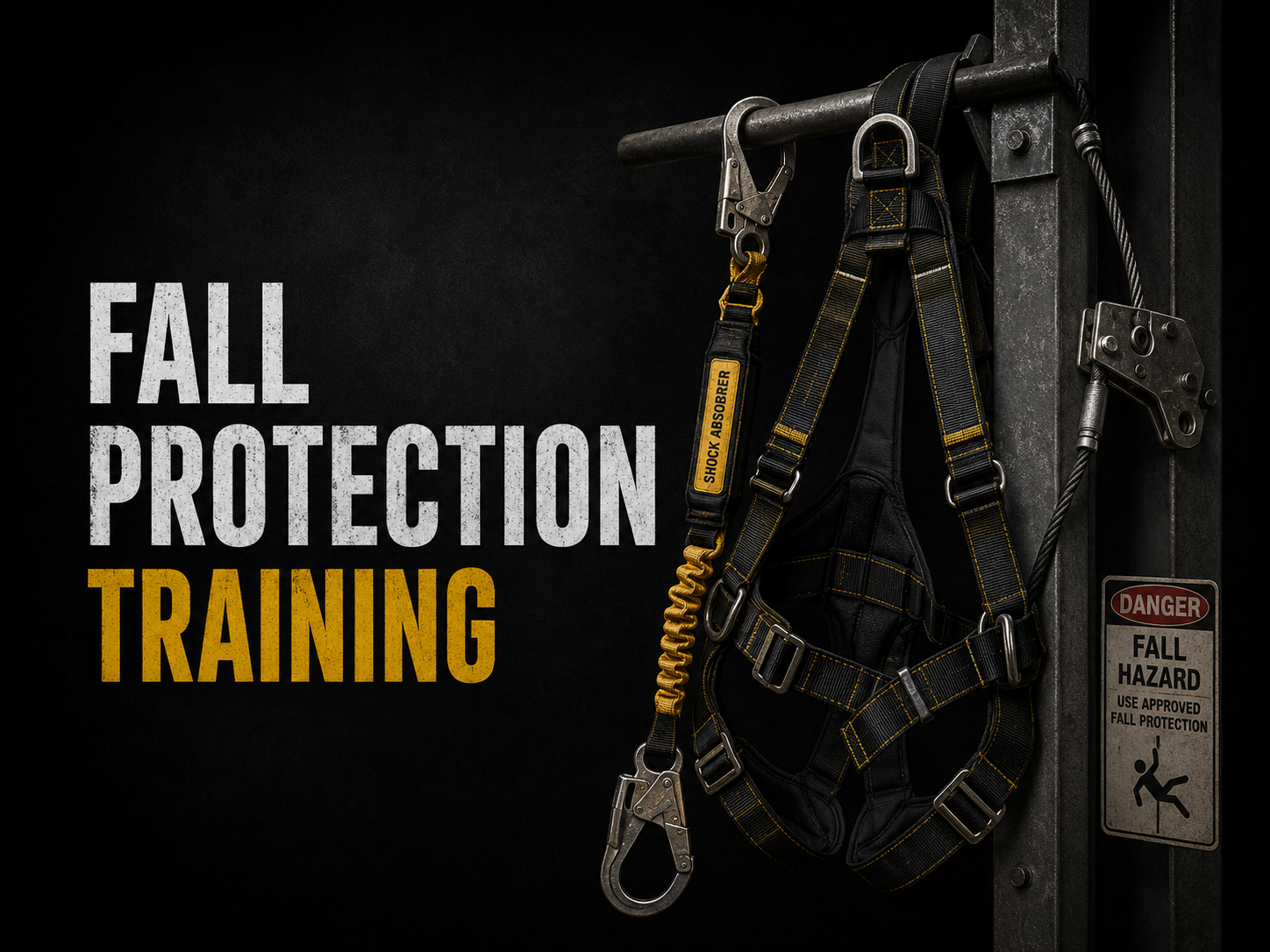
Recommended certification
Fall Protection Training
$30 · ~30 min online · certificate issued same day · valid 2 years
Also read: When the Market Falls, Bodies Follow: The Deadly Link Between Economic Downturns and Tower Climbing Deaths · The Tower Worker Squeeze: How Carrier Cost-Cutting Reaches the Bottom Line of Your Paycheck
Safety Certifications and Their Role in Compliance
Beyond bonding and licensing, safety certifications have become virtually mandatory in telecom construction. The OSHA regulations governing tower climbing and telecommunications infrastructure work require documented training in fall protection, rescue procedures, and equipment inspection. Many states now recognize safety certifications as prerequisites for licensing or bonding approval.
Key safety certifications include:
- First Aid/CPR certification (required in all states)
- OSHA 30-Hour Construction Card or tower-specific safety training
- Competent Climber certification from accredited organizations
- Fall Protection and Rescue training specific to telecom work
- RF Awareness certification for 5G and cellular infrastructure work
The rise of 5G deployment has introduced new compliance requirements around radiofrequency (RF) exposure. Many states now mandate RF awareness training before workers can access areas near active transmission equipment. This certification demonstrates due diligence in worker safety and can strengthen bonding applications and licensing renewals.
Preparing for Compliance Across Multiple States
For telecom construction companies operating regionally or nationally, managing bonding and licensing across jurisdictions requires careful planning. Many contractors maintain master contracts with bonding companies that can issue endorsements for multiple states, streamlining the process.
Before expanding into a new state, telecom construction professionals should:
- Contact the state's Department of Labor or Occupational Licensing to verify specific bonding minimums
- Research whether a general contractor's license or specialized communications license is required
- Identify which safety certifications carry regulatory weight in that state
- Budget 4-8 weeks for application processing and approval timelines
- Maintain documentation of all certifications and bonding coverage for audits
Staying informed about regulatory changes is essential, particularly as 5G infrastructure projects evolve and new safety standards emerge. Industry resources like Wireless Estimator regularly publish updates on state-specific requirements.
Whether you're beginning a career in tower climbing or looking to expand your telecom construction business, understanding these bonding and licensing requirements is foundational. Build Right Academy provides comprehensive professional training designed to help telecom professionals earn the certifications and credentials needed to succeed across all U.S. markets, ensuring you meet current standards and advance your career in this growing industry.