The global push toward smart city development is creating unprecedented demand for telecom construction workers and tower climbing professionals. As municipalities worldwide invest billions in connected infrastructure, wireless carriers are rapidly expanding their networks to support 5G deployments, IoT devices, and smart city applications. This expansion is directly translating into increased opportunities for trained telecom construction professionals, from entry-level workers to experienced climbers.
According to industry analysts tracking wireless infrastructure growth, tower construction activity has reached levels not seen since the early 2000s. Cities implementing smart traffic systems, connected utilities, and public safety networks require dense deployments of cell towers, distributed antenna systems (DAS), and small cells. This infrastructure buildout demands a skilled workforce trained in both technical tower climbing and comprehensive safety protocols.
Smart City Connectivity Fueling 5G Tower Expansion
Smart city initiatives fundamentally depend on reliable, high-capacity wireless networks. Cities across North America, Europe, and Asia are deploying 5G infrastructure to enable autonomous vehicles, smart grid systems, environmental monitoring, and real-time public services. This massive undertaking requires thousands of new tower installations and modifications to existing structures.
The scope of this expansion is significant:
- Over 100,000 new cell tower sites projected across North America through 2030
- Small cell deployments in urban areas requiring specialized climbing and installation techniques
- DAS (Distributed Antenna System) installations in buildings, tunnels, and transit corridors
- Retrofit projects upgrading existing towers for 5G equipment compatibility
- Fiber backbone construction supporting network density requirements
These projects create sustained demand for tower climbers, equipment operators, and ground crew members. Unlike previous network expansion cycles, the distributed nature of 5G infrastructure means work is happening across hundreds of communities simultaneously, not just in major metropolitan areas.
Safety Certifications and Professional Training Requirements
The complexity of modern tower construction demands comprehensive safety training and professional certifications. Tower climbing is inherently hazardous work, and regulatory bodies—including OSHA, the FCC, and industry associations—mandate rigorous safety standards for anyone working at heights or near RF energy sources.
Essential certifications for telecom construction careers include:
- Tower Climbing Certifications: Proper rope work, harness systems, and rescue procedures are foundational for any climbing role
- RF Safety Training: Electrical hazard recognition and RF field awareness protect workers from invisible energy hazards near active antennas
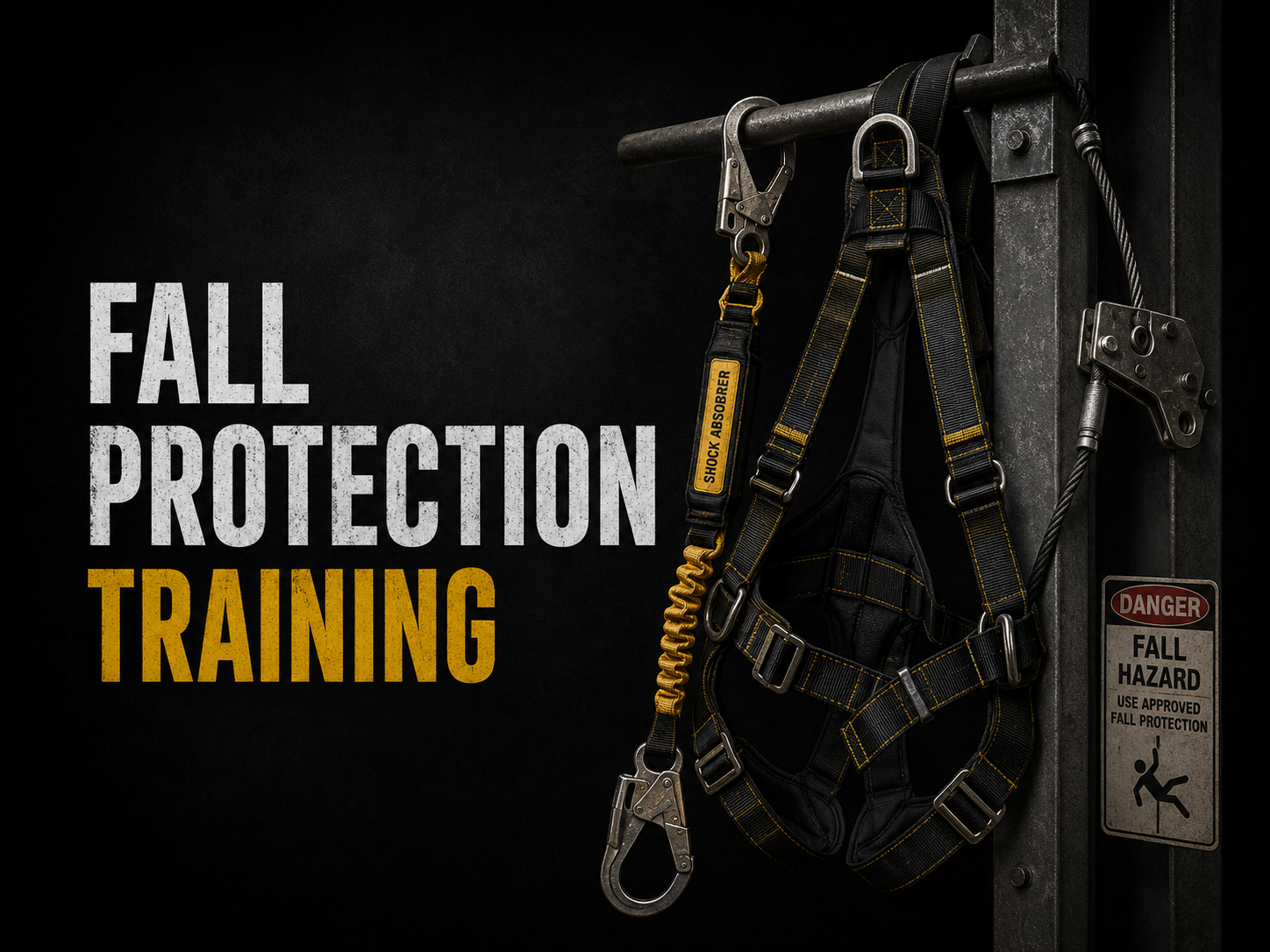
Recommended certification
Fall Protection Training
$30 · ~30 min online · certificate issued same day · valid 2 years
Also read: The Tower Worker Squeeze: How Carrier Cost-Cutting Reaches the Bottom Line of Your Paycheck · When the Market Falls, Bodies Follow: The Deadly Link Between Economic Downturns and Tower Climbing Deaths
- First Aid and Medical Response: Bloodborne pathogen certification and first aid training are critical in remote work environments
- Equipment Operation: Capstan hoist and rigging equipment safety ensures proper material handling on tower projects
- Energy Hazard Control: Control of hazardous energies training prevents electrocution and equipment incidents during installation and maintenance
Workers pursuing telecom construction careers must complete safety certifications before site deployment. These aren't bureaucratic hurdles—they directly prevent injuries and fatalities in a profession where falls and electrical hazards pose genuine risks. Reputable contractors and carriers mandate these certifications as non-negotiable requirements.
Career Opportunities in the Smart City Buildout
The smart city infrastructure boom is creating diverse career pathways in telecom construction. Beyond traditional tower climbing positions, opportunities include:
- Tower Climbers: Install, maintain, and repair antennas and RF equipment on cell sites
- Crew Leaders and Supervisors: Oversee on-site safety and project coordination
- Technicians: Perform RF testing, fiber splicing, and equipment commissioning
- Equipment Operators: Manage cranes, lifts, and rigging systems for material placement
- Ground Crew: Support climbers, manage logistics, and prepare work areas
Compensation in telecom construction is competitive, particularly for certified tower climbers. Entry-level ground crew positions often start at $18-24 per hour, while experienced tower climbers command $25-45+ hourly rates depending on certification level and experience. Supervisory and specialized technical roles offer advancement into $60,000-$100,000+ annual compensation ranges.
The geographic distribution of smart city projects means work opportunities span rural areas deploying new infrastructure and densely populated urban centers upgrading existing networks. This diversity provides job security and geographic flexibility for trained professionals.
Industry Outlook and Long-Term Growth
Smart city infrastructure represents a generational investment cycle for telecom construction. Unlike previous network upgrades that concentrated in specific regions or timeframes, smart city buildouts are sustained, geographically dispersed, and continuously evolving. As technologies mature and new applications emerge, infrastructure needs will persist for decades.
Major carriers, tower companies, and construction contractors are actively recruiting trained workers to meet project demands. The bottleneck isn't funding or projects—it's qualified personnel with proper safety certifications and climbing credentials. For individuals considering telecom construction careers, this represents an exceptionally favorable job market.
Build Right Academy provides comprehensive training programs designed specifically for telecom construction professionals entering this growing field. From foundational safety certifications to specialized technical training, our courses prepare workers for the demands of modern tower climbing and construction work, helping launch sustainable careers in one of the industry's strongest growth sectors.