In the telecom construction industry, safety isn't just a policy—it's a lifeline. Among all occupational hazards, slips, trips, and falls remain the leading cause of non-fatal injuries and deaths across construction sites, including tower climbing projects and 5G infrastructure installations. Understanding these risks and implementing proper prevention strategies is essential for anyone pursuing a telecom training career or already working in the field.
According to OSHA data, falls account for approximately one in five construction fatalities. When combined with slips and trips that don't result in falls, these incidents create a significant burden on workers, employers, and the entire industry. For professionals seeking tower climbing certifications or engaging in telecom construction work, comprehensive safety training is non-negotiable.
Why Slips, Trips, and Falls Dominate Construction Injury Statistics
The construction industry operates in challenging environments where hazards are constantly present. Telecom construction professionals, in particular, face unique risks due to the nature of their work—climbing towers, working at heights, navigating equipment-dense sites, and handling tools in adverse weather conditions.
Several factors contribute to the prevalence of these incidents:
- Environmental conditions: Wet surfaces, mud, ice, and debris create slippery conditions on job sites
- Poor housekeeping: Tools, cables, and materials left in walkways create tripping hazards
- Inadequate lighting: Working in dimly lit areas increases the risk of missing hazards
- Fatigue: Long shifts reduce worker alertness and coordination
- Improper footwear: Shoes without adequate grip or support increase slip risk
- Height-related falls: Working on towers and elevated structures creates catastrophic fall risks
For workers pursuing a 5G construction career or other telecom positions, recognizing these risk factors is the first step toward prevention.
OSHA Standards and Requirements for Fall Prevention
The Occupational Safety and Health Administration (OSHA) has established comprehensive standards to protect construction workers from falls and related injuries. These regulations are particularly strict for tower climbing and elevated work, which are common in telecom construction.
Key OSHA requirements include:
- Fall protection systems: Workers at heights of 6 feet or more must use fall arrest systems, safety nets, or warning lines
- Guardrails: Elevated platforms require sturdy guardrails with specific dimensions
- Harnesses and lanyards: Personal protective equipment must meet ANSI standards and be regularly inspected
- Training and certification: Workers must receive proper training in fall prevention and rescue procedures
- Site inspections: Regular hazard assessments must identify and address potential slip, trip, and fall risks
Employers must ensure that all workers, including those with tower climbing certifications, understand these standards and follow them consistently. Non-compliance can result in significant OSHA penalties and, more importantly, serious injuries or fatalities.
Practical Prevention Strategies for Telecom Construction Workers
Prevention is always more effective than treatment. Here are actionable strategies that telecom construction professionals can implement to reduce slip, trip, and fall incidents:
1. Maintain a Clean and Organized Work Environment
Housekeeping is fundamental to safety. Workers should remove debris, store tools properly, and ensure walkways remain clear. This simple practice significantly reduces tripping hazards and allows faster emergency response if needed.
Recommended certification
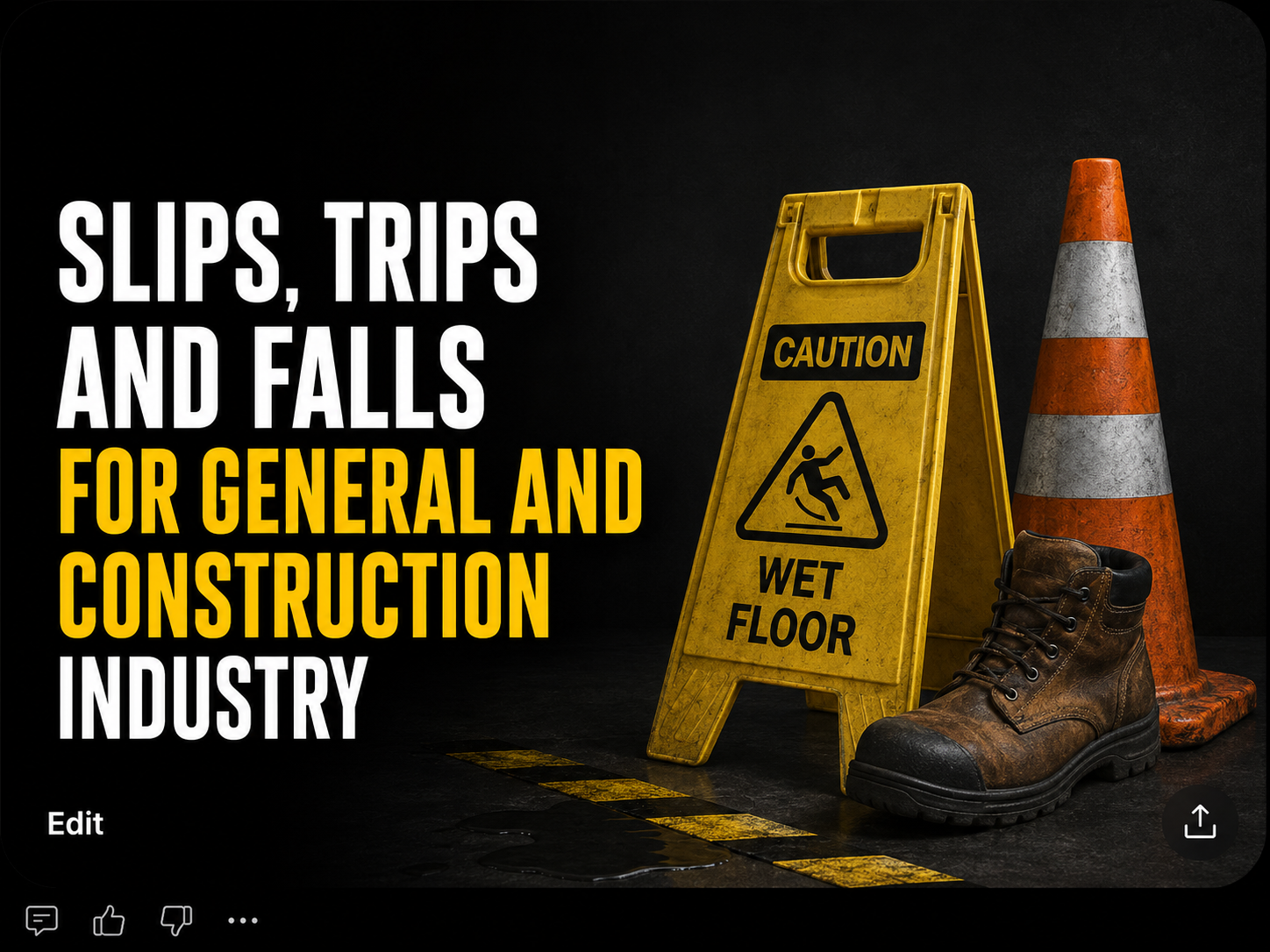
Slips, Trips and Falls for General and Construction Industry
$35 · ~1h online · certificate issued same day · valid 2 years
Also read: When the Market Falls, Bodies Follow: The Deadly Link Between Economic Downturns and Tower Climbing Deaths · Get Certified on Your Phone: How Mobile Online Courses Fit the Tower Worker Schedule
2. Wear Appropriate Footwear
Proper work boots with slip-resistant soles, adequate ankle support, and protective toe caps are essential. Workers should select footwear suitable for the specific environment and replace worn shoes regularly.
3. Use Proper Fall Protection Equipment
For tower climbing and elevated work, fall arrest systems are critical. All harnesses, lanyards, and anchors must be inspected before use and maintained according to manufacturer specifications. Workers with tower climbing certifications should be trained to inspect and use this equipment correctly.
4. Implement Effective Lighting
Well-lit work areas help workers identify hazards. When working in low-light conditions, supplemental lighting should be used. This is especially important for early morning or evening shifts common in telecom construction projects.
5. Manage Environmental Hazards
During wet conditions, extra caution is necessary. Use absorbent materials to reduce moisture on surfaces, increase inspection frequency, and consider modifying work schedules when conditions become unsafe.
6. Develop a Culture of Safety
Safety awareness must be embedded in company culture. Regular toolbox talks, safety briefings, and incident reviews help workers stay vigilant. Employers should encourage workers to report hazards without fear of retaliation.
The Role of Telecom Training in Injury Prevention
Quality telecom training programs, including tower climbing certifications, provide workers with the knowledge and skills necessary to work safely. These courses cover:
- OSHA compliance and standards
- Hazard identification and assessment
- Proper use of personal protective equipment
- Rescue procedures and emergency response
- Safe climbing techniques and tower-specific procedures
Investing in comprehensive training is an investment in worker health and company liability reduction. Professionals entering a 5G construction career or any telecom position should prioritize obtaining proper certifications and continuing education.
Creating Long-Term Safety Excellence
Reducing slips, trips, and falls requires sustained effort and commitment. Organizations should establish clear safety goals, monitor incident rates, conduct root cause analyses of accidents, and continuously improve their safety programs. Regular audits and employee feedback help identify areas for improvement.
For individuals pursuing a career in telecom construction, safety consciousness from day one will serve you throughout your professional life. Employers value workers who prioritize safety, and certifications demonstrating your commitment to safe practices enhance your marketability in the competitive 5G construction industry.
Conclusion
Slips, trips, and falls remain the leading cause of construction injuries, but they are largely preventable through proper awareness, training, and implementation of safety controls. Whether you're climbing towers, installing 5G infrastructure, or supporting construction operations, understanding these risks and following established safety protocols protects you and your colleagues.
The telecom construction industry is growing rapidly, and skilled, safety-conscious professionals are in high demand. By obtaining proper tower climbing certifications and engaging in comprehensive telecom training, you position yourself as a valuable, reliable team member while protecting your most important asset—your health and safety.
Ready to Get Certified?
Start your journey toward a safer, more successful telecom construction career today. Browse our courses at Build Right Academy and find the certifications that will take your skills and safety knowledge to the next level. We offer industry-leading telecom training programs designed to prepare you for the challenges of tower climbing, 5G construction, and beyond.