The telecommunications construction industry faces a critical safety challenge: signal person fatalities continue to impact job sites across North America. As 5G deployment accelerates and tower climbing operations expand, the role of signal persons has become more essential—and more dangerous—than ever. Recent fatalities have prompted regulatory agencies, contractors, and industry organizations to implement stricter protocols and enhanced safety certifications to protect workers in these high-risk positions.
Understanding the Signal Person Role in Telecom Construction
Signal persons serve as the critical communication link between ground crews and equipment operators on telecom construction sites. Whether directing crane operations during tower climbing activities, managing traffic flow near cell tower installations, or coordinating 5G network deployment projects, signal persons must maintain constant awareness of their surroundings while communicating with multiple teams simultaneously.
The position demands exceptional focus and situational awareness. Signal persons work in unpredictable environments where heavy machinery, vehicles, and elevated structures create constant hazards. A momentary lapse in communication or visibility can result in catastrophic accidents. Unfortunately, industry data shows that signal person fatalities have increased in recent years, prompting urgent calls for systemic improvements in training and safety protocols.
Recent Industry Incidents and Regulatory Response
Several high-profile signal person fatalities at tower climbing and telecom construction sites have drawn attention from OSHA, state labor departments, and industry safety organizations. These incidents typically involve:
- Struck-by incidents from moving equipment or materials
- Communication breakdowns between signal persons and operators
- Inadequate visibility due to weather, terrain, or site conditions
- Insufficient training in emergency protocols and hand signals
- Lack of proper safety certifications specific to telecom construction
In response, regulatory bodies have begun issuing citations and enforcement actions against contractors who fail to implement proper signal person protocols. The American Society of Safety Professionals (ASSP) and other industry groups have also released updated guidance documents emphasizing that signal person training must be treated as seriously as other specialized certifications in telecom construction.
Many states now require signal persons to complete specific safety certifications before working on active job sites. These certifications typically cover ANSI/ASSE standards for signal persons, hand signal protocols, and site-specific hazard recognition training tailored to telecommunications construction environments.
New Safety Standards and Best Practices
Recommended certification
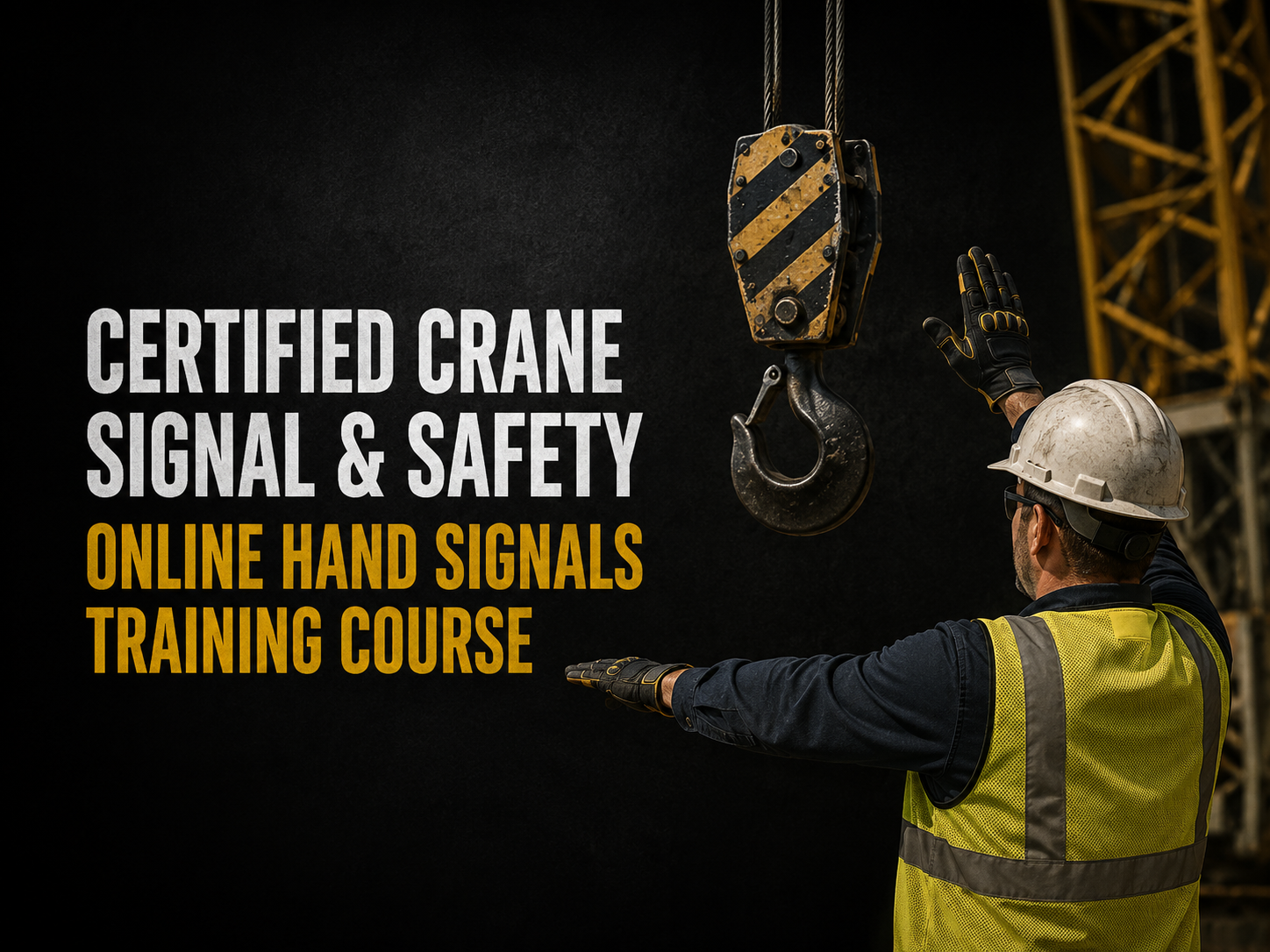
Certified Crane Signal & Safety: Online Hand Signals Training Course
$30 · ~1h online · certificate issued same day · valid 2 years
Also read: NCCCO Signal Person Demand Rises as Crane Work Expands · The Tower Worker Squeeze: How Carrier Cost-Cutting Reaches the Bottom Line of Your Paycheck
The industry response to signal person fatalities has resulted in several important safety innovations and rule changes:
Enhanced Communication Systems: Modern telecom construction sites now employ two-way radio communication, visual markers, and sometimes video monitoring systems to supplement traditional hand signals. These redundant communication methods reduce the risk of misunderstandings during critical operations.
Updated ANSI Standards: The American National Standards Institute has revised guidelines for signal persons working in construction environments. These updated standards emphasize the importance of proper positioning, visibility requirements, and the use of high-visibility personal protective equipment (PPE) specifically designed for signal persons.
Tower Climbing Safety Integration: Since signal persons frequently work alongside tower climbers during telecommunications infrastructure projects, new safety protocols integrate signal person duties with tower climbing operations. This includes designated safe zones, communication checkpoints, and pre-operation briefings that address all workers involved in elevated work.
5G Deployment Considerations: As 5G network expansion continues, many sites feature unique layout challenges and time pressures that increase risk. Industry leaders now recommend that signal persons receive specific training addressing 5G-related construction hazards, including higher density work zones and rapid equipment movement.
Moving Forward: Industry Commitment to Signal Person Safety
Professional organizations representing telecom construction contractors have committed to prioritizing signal person safety. This includes:
- Mandatory recertification programs for signal persons every two years
- Site-specific safety briefings before any tower climbing or major equipment operation
- Investment in advanced communication technology and visibility solutions
- Regular competency assessments and performance reviews
- Development of industry best practice guidelines for signal person deployment
Contractors who prioritize signal person safety not only protect their workforce but also demonstrate commitment to regulatory compliance and professional excellence. Companies investing in comprehensive training programs report fewer incidents, improved productivity, and stronger relationships with insurance providers and regulatory agencies.
The telecommunications construction industry's response to signal person fatalities demonstrates that meaningful change is possible when contractors, safety professionals, and regulatory bodies work together. By implementing enhanced safety certifications, updated communication protocols, and comprehensive training programs, the industry can significantly reduce the risks facing signal persons on tower climbing operations and 5G deployment projects.
Build Right Academy offers comprehensive professional training programs designed specifically for telecom construction careers, including specialized instruction for signal persons, tower climbing safety, and 5G deployment project coordination. Our industry-recognized certifications prepare workers to excel in these critical roles while maintaining the highest safety standards.