The telecom construction industry is experiencing unprecedented growth as enterprises across manufacturing, healthcare, logistics, and retail sectors invest heavily in private 5G networks. This shift is creating significant demand for skilled tower installation crews equipped with specialized knowledge in small cell deployment, network architecture, and advanced safety certifications. Industry analysts project that private 5G infrastructure buildout will drive sustained job growth through 2026, with particular emphasis on trained technicians capable of handling complex installation projects beyond traditional macrocell tower work.
The Private 5G Revolution and Infrastructure Needs
Private 5G networks represent a fundamental shift in how organizations approach wireless connectivity. Unlike public networks operated by carriers, private 5G systems are deployed on enterprise property and managed internally, offering reduced latency, enhanced security, and optimized performance for mission-critical applications. According to industry research, the global private 5G market is expected to grow at a compound annual growth rate exceeding 40% over the next five years, with North American enterprises leading adoption.
This expansion directly impacts telecom construction professionals. Private 5G deployment requires:
- Installation of distributed antenna systems (DAS) in warehouses and manufacturing facilities
- Small cell tower placement in urban and suburban environments
- In-building and outdoor fiber connectivity infrastructure
- Integration with existing cellular and networking equipment
- Compliance with enterprise-specific security and operational standards
These projects demand tower climbing expertise combined with understanding of RF propagation, site survey methodology, and network optimization—skills that extend beyond traditional macrocell installation work.
Specialized Skills and Certifications Commanding Premium Wages
Tower installation crews with certifications in private 5G deployment are seeing increased earning potential and job stability. Employers actively seek technicians who hold relevant safety certifications alongside 5G-specific training, creating a competitive advantage in the telecom construction labor market.
In-demand certifications for crews pursuing private 5G work include:
- Tower Climbing Certifications: ANSI/ASSE A10.48 and equivalent standards remain foundational
- OSHA 30-Hour Construction Safety: Required by most contractors and project managers
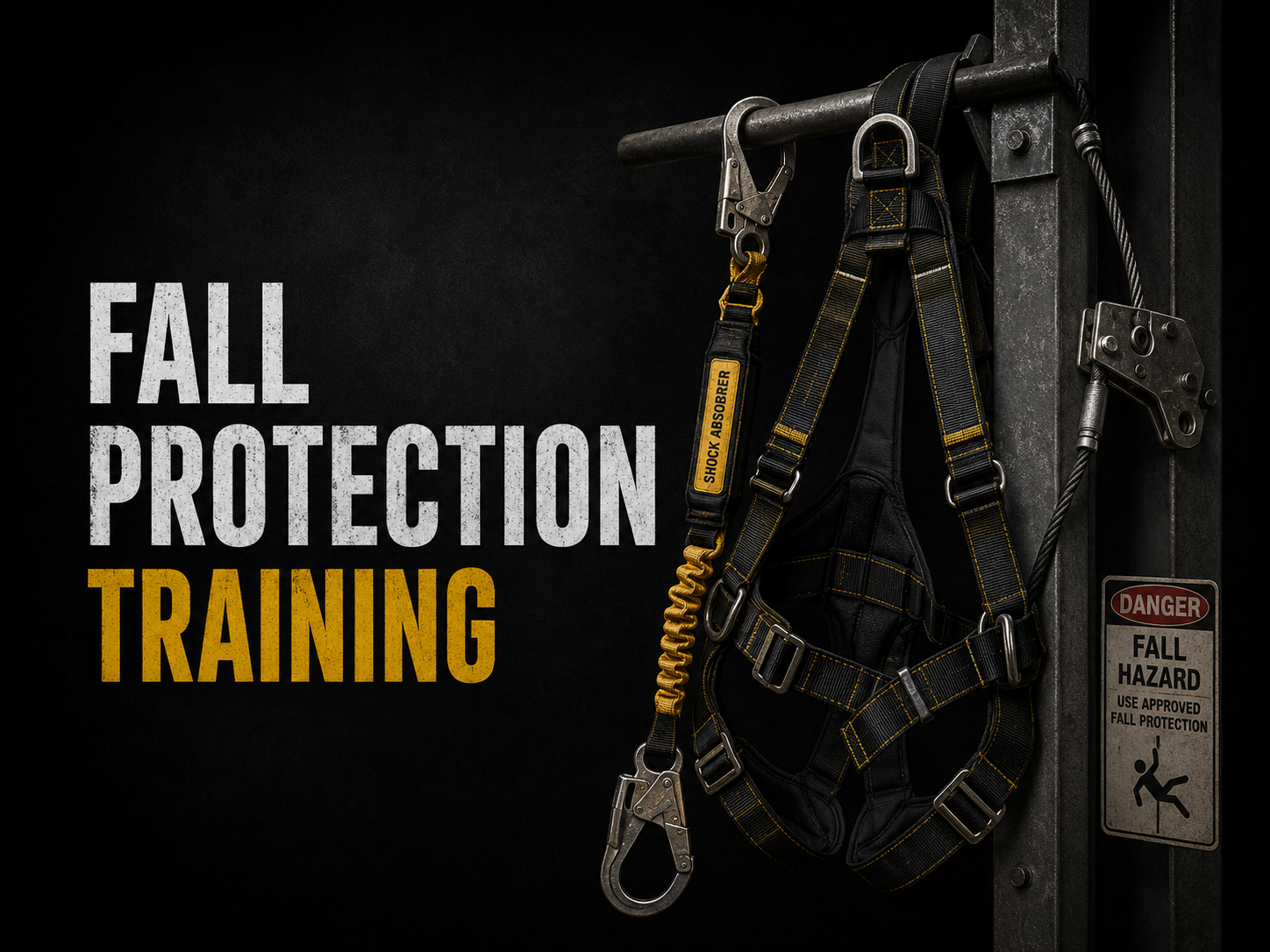
Recommended certification
Fall Protection Training
$30 · ~30 min online · certificate issued same day · valid 2 years
Also read: When the Market Falls, Bodies Follow: The Deadly Link Between Economic Downturns and Tower Climbing Deaths · The Tower Worker Squeeze: How Carrier Cost-Cutting Reaches the Bottom Line of Your Paycheck
- RF Safety Awareness: Critical when working near active transmitters and antenna systems
- Small Cell and DAS Installation: Vendor-specific certifications from equipment manufacturers
- Network Fundamentals: Understanding 5G architecture, spectrum bands, and deployment scenarios
Contractors report that tower climbing crews with multi-disciplinary certification portfolios command 15-25% higher hourly rates than workers with single-specialty credentials. Moreover, certified crews are more frequently selected for complex, high-value projects where risk mitigation and technical proficiency directly impact project timelines and profitability.
Market Demand in Key Verticals and Geographic Markets
Private 5G adoption is concentrated in specific industries and regions, creating targeted opportunities for specialized telecom construction teams. Manufacturing facilities representing automotive, food processing, and advanced manufacturing sectors are prioritizing private 5G for real-time robotics, quality control systems, and supply chain optimization. These installations often require extensive tower climbing, structural modifications, and outdoor small cell deployments.
Healthcare systems are another major driver of private 5G infrastructure investment. Hospitals and medical centers need ultra-reliable, low-latency networks to support remote surgery, patient monitoring systems, and autonomous equipment. These projects typically involve complex in-building small cell networks that demand skilled installation crews familiar with healthcare-specific compliance requirements.
Geographic hotspots for private 5G construction work include:
- Midwest industrial corridor (Michigan, Ohio, Indiana)
- Southern manufacturing regions (North Carolina, South Carolina, Tennessee)
- West Coast technology and logistics hubs (California, Washington)
- Northeast corridor with healthcare and pharmaceutical facilities
Tower installation crews positioned in these regions with relevant certifications are experiencing strong project pipelines extending 12-24 months into the future, according to wireless industry publications and construction forecasts.
Future-Proofing Your Telecom Construction Career
The trajectory of private 5G adoption indicates sustained demand for specialized tower installation and small cell deployment expertise. Crews investing in comprehensive training now position themselves for career advancement and premium compensation as enterprises accelerate network buildout. The convergence of tower climbing expertise, safety certifications, and 5G-specific knowledge creates a unique professional profile highly valued across the telecom construction industry.
Professionals looking to develop these specialized skills should consider structured training programs that combine foundational safety certifications with hands-on 5G deployment knowledge. Build Right Academy offers comprehensive professional training designed specifically for telecom construction careers, covering tower climbing safety, RF fundamentals, small cell installation, and industry-recognized certifications that align with current market demand.