When working in telecom construction—whether you're climbing towers, installing 5G infrastructure, or managing ground-level operations—proper personal protective equipment (PPE) is not optional. It's a lifeline. According to OSHA regulations and industry best practices, selecting the right PPE can mean the difference between going home safely and facing a serious injury or worse.
This comprehensive guide walks you through the essential PPE categories, selection criteria, and compliance standards every telecom construction professional should understand. Whether you're new to the industry or seeking to refresh your knowledge, understanding PPE selection is a critical component of any telecom training program.
Why PPE Matters in Telecom Construction
Telecom construction presents unique hazards. Workers face risks from heights, electrical equipment, sharp tools, falling objects, and unpredictable weather conditions. OSHA mandates that employers provide appropriate PPE at no cost to workers and ensure proper training on its use and maintenance.
Beyond legal compliance, wearing correct PPE demonstrates professionalism and commitment to safety—qualities that employers value highly. As the telecom industry expands with 5G construction career opportunities, safety standards have become increasingly rigorous. Many employers now require or prefer candidates with formal tower climbing certifications and documented PPE safety knowledge.
The construction industry loses billions annually to injuries and fatalities that proper PPE could prevent. By mastering PPE selection, you're investing in your career longevity and earning potential.
Head Protection: Hard Hats and Helmets
Hard hats protect against falling objects and bumps—common hazards on telecom job sites. However, not all head protection is created equal.
Types of hard hats:
- Type I: Protects the top of the head; suitable for most general construction
- Type II: Protects the top and sides; ideal for electrical work where lateral impacts are possible
- Class C: Lightweight, non-conductive hard hats for electrical hazards
- Class E: Non-conductive, rated for high-voltage exposure
For tower climbing and electrical work common in telecom training scenarios, Class E helmets are standard. Always inspect hard hats for cracks or dents before use, and replace them every 3-5 years or after significant impacts.
Eye and Face Protection
Eye injuries happen quickly and can result in permanent vision loss. Telecom construction workers need eye protection appropriate to their specific tasks.
Common options include:
- Safety glasses: Basic protection against dust and small particles
- Safety goggles: Seal around the eyes for chemical or grinding work
- Face shields: Protect the entire face from larger projectiles or chemical splashes
- Welding helmets: Essential for arc flash and intense light protection during electrical installations
Look for ANSI Z87.1 certification when selecting eye protection. This ensures the product meets impact resistance standards set by the American National Standards Institute. For workers who wear prescription glasses, consider clip-on protection or prescription safety lenses.
Fall Protection: Your Most Critical Defense
Tower climbing certifications emphasize fall protection because heights present the most severe risk in telecom construction. A fall from even 10 feet can cause serious injury or death.
Essential fall protection components:
- Harnesses: Full-body harnesses distribute fall forces across the body. Ensure proper fit—you should be able to fit only two fingers between the harness and your body
- Lanyards: Connect you to anchors. Select shock-absorbing lanyards for falls exceeding 6 feet
- Anchor points: Must support at least 5,000 pounds per worker or 100% of worker weight plus 50% impact force
- Personal fall arrest systems (PFAS): The complete assembly of harness, lanyard, and anchor connection
OSHA requires fall protection for any work 6 feet or higher. In telecom construction, this applies to most tower work. Proper training on fall protection equipment is non-negotiable—it's a cornerstone of any legitimate telecom training curriculum.
Respiratory Protection
Dust, fumes, and contaminated air exist on many construction sites. Respiratory protection requirements depend on the hazard level.
Common types:
- N95 masks: Suitable for dust and particulates; no oil resistance
- P100 respirators: Protect against solid and liquid particulates
- Supplied air respirators: Required for oxygen-deficient or highly toxic environments
Workers must be medically cleared and fit-tested for respiratory protection. A poor fit renders even the best respirator ineffective. Your employer should conduct fit tests annually or whenever your facial features change significantly.
Hand and Foot Protection
Hands and feet face constant injury risk on job sites. Proper protection is essential yet often overlooked.
Hand protection options:
- Leather work gloves for general handling
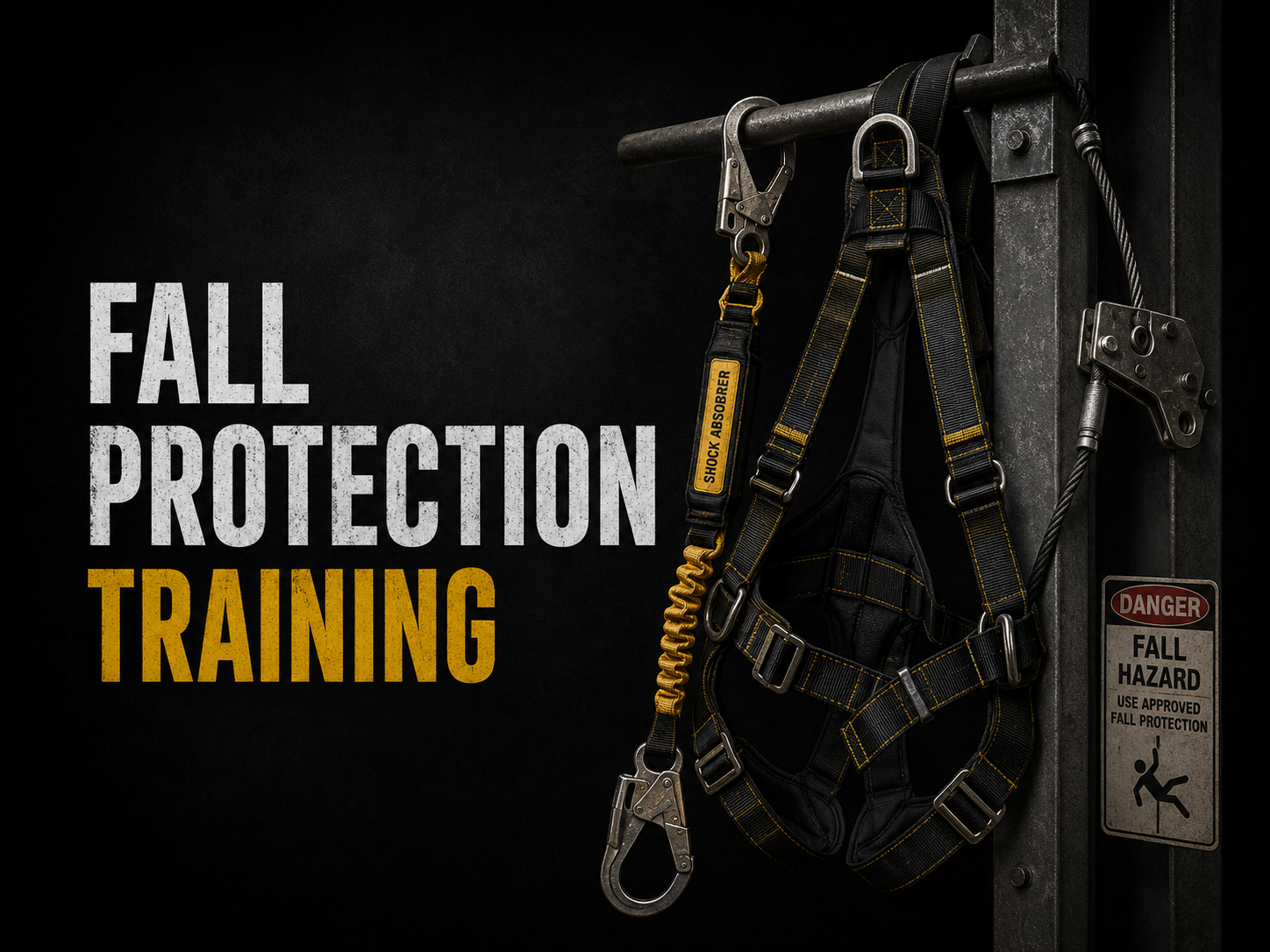
Recommended certification
Fall Protection Training
$30 · ~30 min online · certificate issued same day · valid 2 years
Also read: When the Market Falls, Bodies Follow: The Deadly Link Between Economic Downturns and Tower Climbing Deaths · Get Certified on Your Phone: How Mobile Online Courses Fit the Tower Worker Schedule
- Cut-resistant gloves for sharp materials
- Insulated gloves for electrical work (rated for appropriate voltage)
- Chemical-resistant gloves when handling solvents or cleaners
Foot protection:
- Steel-toed boots with electrical hazard (EH) rating for telecom work
- Metatarsal guards for added foot protection
- Puncture-resistant soles to prevent penetrating injuries
Always ensure gloves and boots fit properly—ill-fitting PPE creates hazards rather than preventing them.
High-Visibility Clothing
Many telecom construction sites involve vehicle traffic. High-visibility vests or clothing with retroreflective material make workers visible to equipment operators and vehicles, especially during low-light conditions.
ANSI/ISEA 107 standards define visibility class requirements. Most construction work requires Class 2 visibility, with specific color and retroreflective stripe requirements.
Body Protection and Weather Gear
Weather exposure is constant in telecom construction. Proper body protection prevents hypothermia, heat stress, and weather-related injuries.
- Cold weather: Insulated, water-resistant jackets and layered clothing
- Heat exposure: Light-colored, breathable fabrics; sunscreen; hydration stations
- Rain: Waterproof jackets and pants to prevent slips and maintain body temperature
PPE Maintenance and Compliance
Selecting PPE is only half the battle. Maintenance ensures continued protection:
- Inspect all equipment daily before use
- Clean PPE regularly per manufacturer instructions
- Replace damaged or worn equipment immediately
- Store PPE in clean, dry locations away from direct sunlight, chemicals, and extreme temperatures—UV rays and solvents break down harness webbing, helmet shells, and glove materials faster than normal wear ever will
Document what you inspect. A dated inspection log takes minutes to maintain and is exactly what site audits and general contractors ask to see. Crews that can produce clean PPE records win trust—and repeat work.
When to Replace PPE: Clear Criteria
No piece of PPE lasts forever. Replace equipment on schedule, not on hope:
- Hard hats: every 3-5 years per manufacturer guidance, and immediately after any significant impact—even if no damage is visible
- Harnesses and lanyards: remove from service after any fall arrest event, at the first sign of cut or frayed webbing, or at the manufacturer's stated service life
- Gloves and boots: replace at the first cut, cracked leather, worn sole, or compromised insulation on electrical-rated gear
- Eye protection: swap out scratched lenses—scratches scatter light and weaken impact resistance
The rule of thumb across every category: when in doubt, take it out of service. The cost of replacement is trivial next to the cost of an injury.
The Bottom Line: PPE Knowledge Is a Career Asset
PPE selection isn't trivia—it's a daily, practical skill that supervisors notice and employers screen for. Workers who can explain why they chose a Class E helmet or a shock-absorbing lanyard stand out on any crew, and documented safety training turns that knowledge into a credential you can show.
If you're ready to make it official, BuildRight Academy's PPE for Telecommunications and Personal Protective and Lifesaving Equipment courses cover selection, inspection, and maintenance in depth—online, self-paced, with a same-day certificate of completion that verifies online. Build the knowledge, document it, and take it to every job site you work.
Related Courses at BuildRight Academy
Get certified online — training built to OSHA standards for construction and telecom workers:
- PPE for Telecommunications
- Personal Protective and Lifesaving Equipment
Browse by category: