The telecom construction industry continues to evolve at a breakneck pace, particularly with the expansion of 5G networks across North America. However, safety standards haven't kept up in many organizations. OSHA has released updated telecom tower safety regulations for 2025 that every tower climber, supervisor, and construction manager must understand. These new guidelines address emerging risks in modern tower climbing, particularly those associated with 5G infrastructure deployment and increased network density.
Non-compliance with these regulations can result in significant penalties, workplace injuries, and fatalities. This comprehensive guide covers the essential changes you need to implement immediately to protect your team and maintain regulatory compliance.
Key Changes in OSHA's 2025 Tower Climbing Safety Standards
OSHA's updated telecom construction safety regulations focus on three primary areas: equipment standards, climbing procedures, and emergency protocols. The 2025 revisions reflect lessons learned from incident investigations over the past five years and incorporate feedback from industry professionals.
The most significant change involves mandatory equipment inspections with updated frequency requirements. Previously, fall protection equipment required inspection annually; now climbers must conduct documented inspections every six months, with additional pre-climb checks. This change acknowledges that tower climbing equipment experiences more intensive use with the proliferation of 5G deployment projects.
- Fall protection equipment: Harnesses, lanyards, and carabiners must be professionally inspected biannually
- Climbing aids: All climbing equipment must meet updated load-bearing specifications of 5,000 pounds minimum
- Communication devices: Two-way radios are now mandatory, not optional, for all climbers above 50 feet
- Personal locator beacons: Required for climbs exceeding 200 feet or remote tower locations
- Documentation: All inspections, maintenance, and repairs must be logged in digital or physical records maintained for seven years
Additionally, OSHA now requires that at least one trained rescue technician be present on-site for any climb exceeding 150 feet. This represents a substantial operational change for many telecom construction companies but directly addresses rescue time reduction—a critical factor in climb-related incidents.
New Certification and Training Requirements for 2025
OSHA's 2025 framework introduces more stringent certification pathways for tower climbers. The previous certifications remain valid, but renewal procedures have changed significantly, and new specialty certifications are now mandatory for specific situations.
All tower climbers must now complete recertification training every two years instead of three. This accelerated timeline ensures that climbers remain current with evolving safety practices and technology. For climbers working specifically on 5G infrastructure installations, an additional specialty certification in small-cell deployment and antenna installation is now required.
- Standard tower climbing certification: Valid for 24 months (previously 36 months)
- 5G installation specialty certification: New requirement, valid for 24 months
- Rescue technician certification: Must be current and valid
- First aid/CPR certification: Now required to be EMT-certified or equivalent for climbs above 200 feet
- Weather assessment certification: New requirement for climbers in regions with frequent severe weather
These certifications must be obtained through OSHA-recognized training providers. Telecom construction companies should audit their workforce immediately to identify which employees need updated certifications before the implementation deadline.
Safety Protocols and Environmental Considerations in 5G Tower Climbing
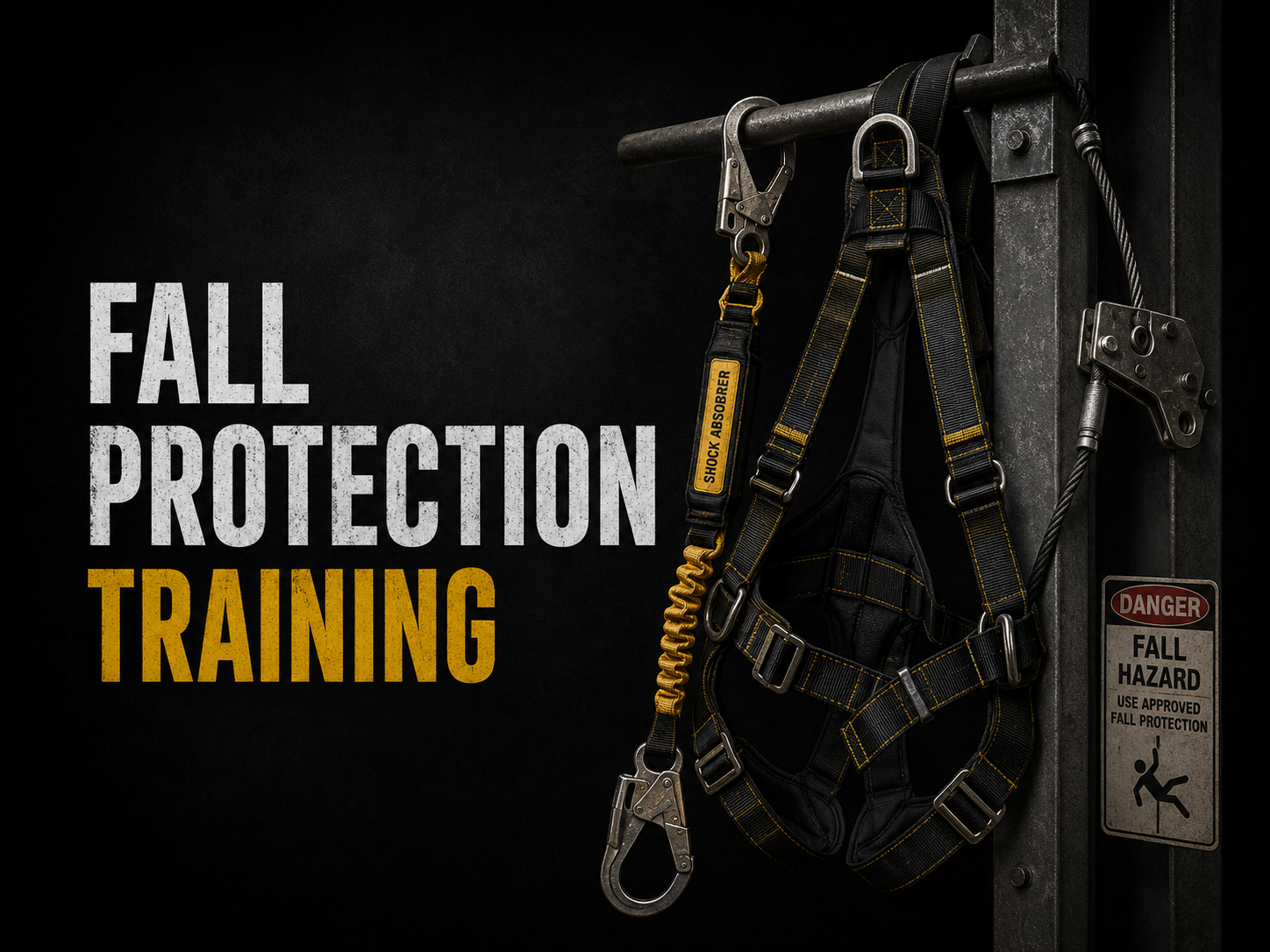
Recommended certification
Fall Protection Training
$30 · ~30 min online · certificate issued same day · valid 2 years
Also read: AI-Powered Drone Tower Inspections: Threat or Opportunity for Certified Climbers · Group Certification Discounts: Train Your Whole Crew for Less Than One OSHA Fine
The expansion of 5G networks has introduced new environmental hazards that weren't prevalent in previous tower climbing operations. These include RF (radio frequency) exposure hazards, increased tower congestion from co-located equipment, and specialized antenna configurations that require different climbing techniques.
OSHA's 2025 regulations now explicitly address RF safety for climbers working near active antennas. Climbers must understand RF hazard zones and maintain safe distances from transmitting equipment. Site managers must provide RF hazard assessments before any climbing work begins, documenting safe zones and required de-energization procedures.
- RF hazard assessments: Required before every climb, documented on-site
- Equipment de-energization: Mandatory protocols for deactivating transmitters during installation work
- Tower congestion management: Maximum occupancy limits based on tower design and equipment spacing
- Weather monitoring: Real-time weather assessment required; climbing prohibited when lightning is within 10 miles
- Fatigue management: Mandatory rest periods for climbs exceeding four hours
These protocols are particularly important for telecom construction teams managing the rapid deployment of 5G networks, where multiple crews may be coordinating work on densely-populated tower sites.
Compliance Deadlines and Implementation Strategy
The OSHA 2025 regulations take effect March 15, 2025. Organizations have until then to implement new procedures, update equipment, and ensure all personnel hold current certifications. Companies face potential penalties ranging from $10,000 to $156,000 per violation for non-compliance.
Develop an immediate implementation plan that includes equipment audits, certification renewals, and procedure updates. Many successful telecom construction companies are using this transition period to upgrade their safety culture and demonstrate commitment to worker protection.
Staying current with OSHA regulations and industry best practices is essential for tower climbers and construction managers. Build Right Academy offers comprehensive training programs that align with 2025 OSHA requirements, including tower climbing certification, 5G specialty training, and rescue technician courses. Our instructors bring real-world experience from telecom construction and understand the specific challenges facing modern climbing operations. Whether you're renewing certifications or onboarding new climbers, Build Right Academy provides the current, practical training your team needs to maintain compliance and keep workers safe on every climb.
`
Related Courses at BuildRight Academy
Get certified online — training built to OSHA standards for construction and telecom workers:
- Fall Protection For Construction
- RF Awareness, Safety, and Hazard Training
- Lockout Tagout (LOTO) Safety Training Course
Browse by category: