A fragmented workforce facing unprecedented pressure. As major carriers ramp up 5G deployment across North America, the telecom tower construction industry is grappling with a certification crisis that threatens both worker safety and project timelines. New industry surveys suggest that fewer than half of active tower technicians hold current National Wireless Safety Alliance (NWSA) certifications—even as T-Mobile, Verizon, AT&T, and regional carriers increasingly mandate proof of credentials before workers step foot on a tower.
The Numbers Don't Add Up
The American Tower Association estimates roughly 35,000 to 40,000 active tower climbers and ground crew members working across the continent. Yet NWSA data indicates only around 18,000 to 22,000 hold current certifications. The gap is stark, and it's widening.
"We're seeing carrier compliance teams reject crews on-site because workers don't have valid NWSA cards," said a senior general contractor executive familiar with the bid process on major carrier work. "A decade ago, this wasn't happening. Now it's routine."
The economic implications are severe. A single crew delay due to uncertified personnel can cost $5,000 to $15,000 per day on metropolitan tower projects. Multiply that across hundreds of active sites, and the industry is quietly hemorrhaging money while workers lose income.
Why Carriers Are Tightening the Screws
T-Mobile's network expansion contracts now explicitly require NWSA or equivalent ANSI certification for all personnel. Verizon and AT&T follow similar protocols. The driver isn't bureaucracy—it's liability and insurance.
OSHA recordable incidents on tower sites have remained stubbornly high. When fatalities occur—and they still do, roughly 40 to 50 per year in the U.S. tower sector—regulatory scrutiny intensifies. Carriers know that certified, trained crews reduce risk exposure. Insurance carriers reward compliance with better rates.
The certification requirement represents a hard line that contractors can no longer blur or negotiate around.
The Regional Workforce Problem
Certification gaps vary dramatically by geography. Urban corridors like the Northeast and California have higher compliance rates—upward of 65% in some markets. Rural regions and smaller markets lag significantly, with some areas reporting certification rates below 40%.
"You've got experienced climbers in places like Montana and West Texas who've been doing this work safely for 15 years without a card," explained one veteran tower technician. "But the big carriers don't care about your safety record anymore. No card, no work. Period."
This geographic disparity is creating workforce shortages in exactly the regions where carriers are aggressively building out rural 5G coverage—a painful irony given the industry's public commitment to closing the digital divide.
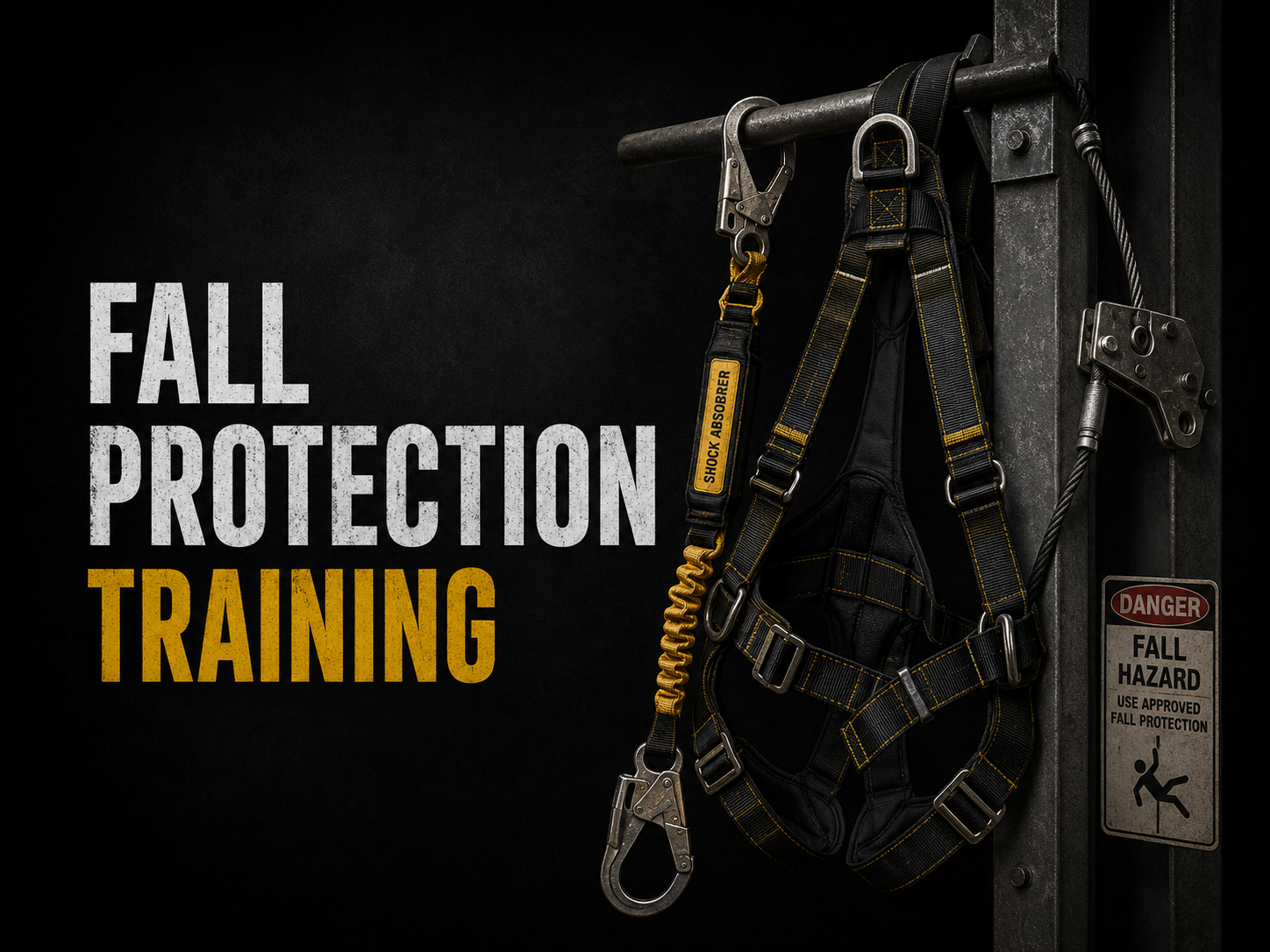
Recommended certification
Fall Protection Training
$30 · ~30 min online · certificate issued same day · valid 2 years
Also read: Carriers Demand NATE Certification While GCs Slash $2M Training Budgets · AI-Powered Drone Tower Inspections: Threat or Opportunity for Certified Climbers
Training Capacity Lags Behind Demand
Part of the problem is structural. NATE (National Association of Tower Erectors) and approved training providers can only certify so many workers per year. The classroom and field test model requires time and resources. As deployment cycles accelerate, training infrastructure hasn't kept pace.
A typical NWSA certification course runs 40 to 80 hours, including both classroom instruction and hands-on climbing assessment. In urban areas, there's often a six-to-eight-week wait to enroll. Regional areas may face months-long delays or require workers to travel hundreds of miles for training.
Costs add friction too. Training programs typically range from $1,500 to $3,500 per worker. For small GCs and owner-operators, that's real capital. For larger firms, it's manageable but still represents a significant operating expense.
The Worker Vulnerability Factor
The certification gap is creating a two-tier workforce: credentialed workers commanding premium rates and job security, and uncertified workers increasingly frozen out of major carrier work.
This dynamic leaves the latter group vulnerable. Without certification, they lose access to the highest-paying contracts. They're pushed toward smaller regional work, independent contractors, and less-regulated segments where safety oversight is thinner. Some leave the industry entirely.
For individual climbers and ground crew, certification isn't optional anymore—it's a career requirement. Workers without current NWSA or equivalent credentials face real income risk in a market that's consolidating around certified labor.
What's Next
The gap will likely widen further before it narrows. As 5G deployment accelerates over the next 24 to 36 months, carrier demand will intensify. Those without credentials will be systematically excluded from premium work.
For the industry to close this gap, training capacity must expand. Contractors need to invest aggressively in workforce development. And workers—especially younger technicians and those in underserved regions—need accessible, affordable pathways to certification.
The window for action is narrow. The workers best positioned for the next decade of telecom construction are those carrying valid NWSA credentials today.
Looking to bridge the certification gap in your career or organization? Explore comprehensive tower safety training options at BuildRight Academy's Telecom Tower Safety Courses.