Tower climbing isn't for everyone—but for those willing to embrace the challenge, it's one of the most lucrative trades you can enter without a four-year degree. In 2025, demand for skilled tower climbers continues to outpace supply, driven by 5G infrastructure expansion, tower maintenance, and network upgrades across North America.
If you're considering a career change or exploring hands-on work that pays real money, this guide breaks down what tower climbing actually involves, what you'll earn, the certifications you need, and the honest truth about whether it's right for you.
What Does a Tower Climber Actually Do?
Tower climbers install, maintain, and repair telecommunications equipment on cell towers, broadcast towers, and antenna structures. Your day-to-day work might include:
- Climbing towers up to 1,500+ feet using safety harnesses and climbing equipment
- Installing and upgrading antennas, cables, and transmission equipment
- Performing routine inspections and preventive maintenance
- Working in all weather conditions—heat, cold, wind, and rain
- Following strict OSHA safety protocols and company procedures
- Troubleshooting equipment issues and diagnosing signal problems
- Documenting work and communicating with ground crews and engineers
You'll spend significant time at heights, often suspended by a safety harness on the side of a tower. The work is physically demanding, requires mental toughness, and demands unwavering attention to safety protocols. Travel is common—many roles involve working across multiple sites in different regions, sometimes requiring weeks away from home.
But here's the reality that makes this career attractive: the pay is exceptional for skilled workers, the job security is strong, and there's genuine freedom in the field—you're not sitting in a cubicle under fluorescent lights.
Tower Climber Salary: What to Expect
Compensation varies significantly based on employment structure, experience, and market demand. Here's what you can realistically expect in 2025:
1099 Contractor Monthly Rates
1099 contractors enjoy higher hourly rates but are responsible for their own insurance, equipment, and taxes:
- Helper: Up to $6,000/month ($36,000–$72,000 annually, depending on hours)
- Top Helper: Up to $10,000/month ($60,000–$120,000 annually)
- Top Hand: Up to $15,000/month ($90,000–$180,000 annually)
- Crew Lead: Up to $20,000/month ($120,000–$240,000 annually)
1099 work is project-based and income varies with weather, project availability, and downtime. Experienced climbers can earn six figures, but expect periods without work.
W2 Employee Annual Salaries
W2 positions offer stability, benefits, and predictable income:
- Entry Level: $37,000–$46,000 annually
- Mid Level (2–5 years experience): $46,000–$58,000 annually
- Senior (5+ years experience): $58,000–$79,000 annually
- Crew Lead/Supervisor: $79,000–$104,000 annually
W2 roles include health insurance, 401(k) matching, paid time off, and worker's comp—valuable benefits that 1099 contractors must secure independently.
Bottom line: Tower climbers consistently earn more than electricians, HVAC technicians, and many skilled trades—often with less formal education required.
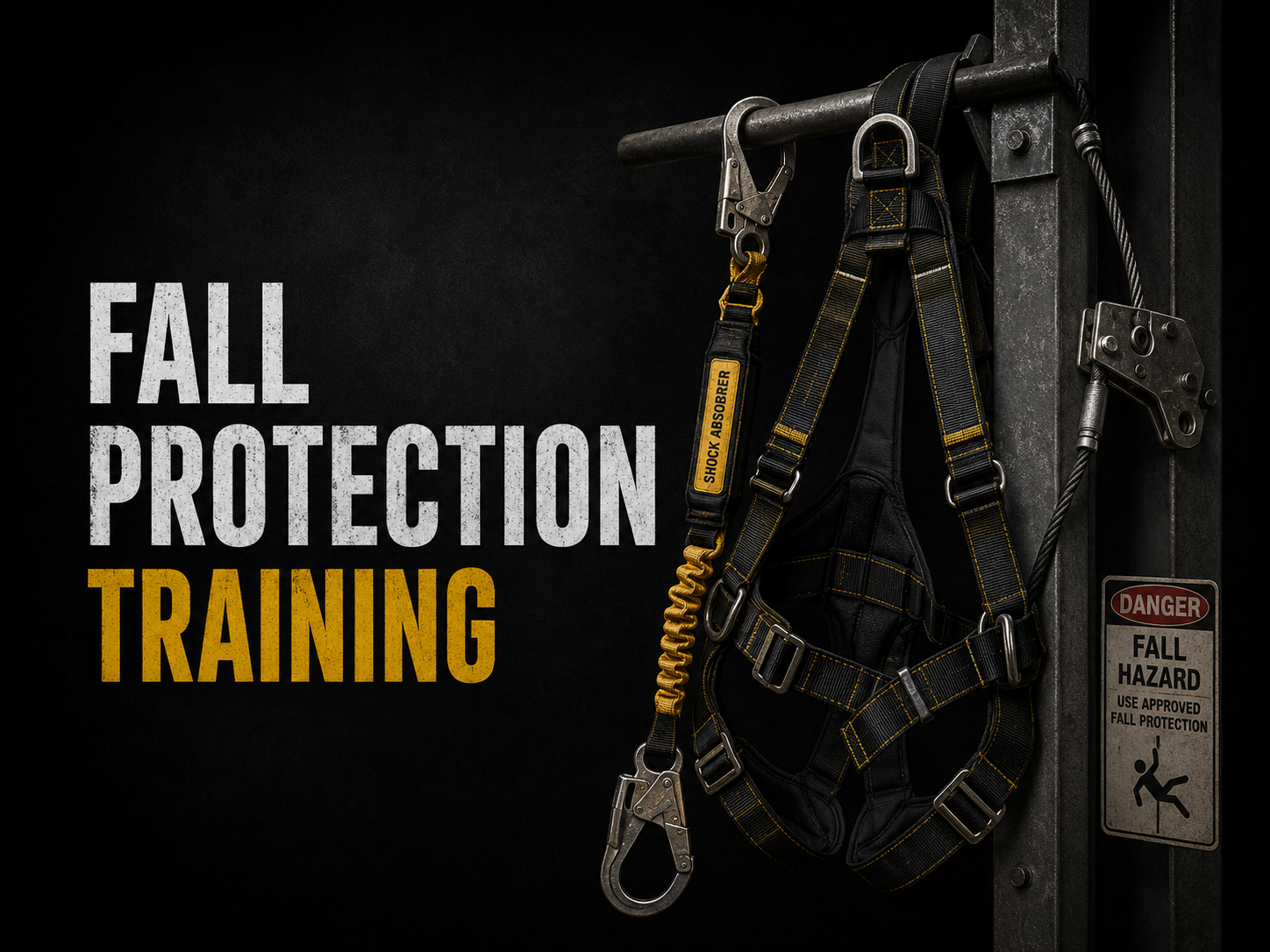
Recommended certification
Fall Protection Training
$30 · ~30 min online · certificate issued same day · valid 2 years
Also read: Get Certified on Your Phone: How Mobile Online Courses Fit the Tower Worker Schedule · AI-Powered Drone Tower Inspections: Threat or Opportunity for Certified Climbers
W2 vs 1099 for Tower Climbers
Choosing between W2 employment and 1099 contracting shapes your career and lifestyle:
W2 Advantages: Steady paychecks, comprehensive benefits, predictable schedule, employer-provided equipment and insurance, potential for advancement within a company, and paid training.
W2 Disadvantages: Lower hourly rates, less flexibility, potential for layoffs during slow periods, company politics, and limited control over your schedule.
1099 Advantages: Significantly higher rates, complete freedom in choosing projects and clients, no overhead from a single employer, potential for six-figure income, and the ability to build your own business.
1099 Disadvantages: Income inconsistency, you pay self-employment taxes (15.3%), must purchase your own insurance and safety equipment, responsible for your own retirement planning, and gaps between projects mean no pay.
Most climbers start W2 to build skills and experience, then transition to 1099 once they have an established reputation and can sustain gaps between jobs.
What Certifications Do You Need?
Tower climbing requires specific certifications to work legally and safely. These are non-negotiable and required by nearly all employers:
- OSHA 10-Hour Card (Construction): Entry-level safety certification covering fall protection, hazard recognition, and OSHA regulations.
- ANSI/ASSE A10.48 Tower Climbing Standard: Industry-specific certification focused on tower rescue, climbing techniques, and emergency procedures.
- CPR & First Aid: Required for remote work and emergency response.
- RF Awareness Certification: Safety training on radiofrequency radiation hazards.
- Telecom Safety & Best Practices: Company-specific training on equipment, protocols, and procedures.
- Rescue Training: Advanced certification demonstrating ability to execute tower rescues (often employer-provided).
Getting certified typically takes 2–4 weeks and costs $500–$1,500, depending on the program and your location. Start your journey with OSHA and telecom safety certifications at BuildRight Academy, a trusted platform offering comprehensive training designed for climbers entering the industry.
Many employers cover certification costs for new hires, so ask about training reimbursement during hiring conversations.
Career Path from Helper to Crew Lead
Tower climbing offers a clear, merit-based progression:
Year 1–2: Helper — You're learning the trade under supervision. You assist experienced climbers, learn safety protocols, build physical stamina, and earn certifications. Expect W2 entry-level pay ($37,000–$46,000) or 1099 rates up to $6,000/month.
Year 2–4: Top Helper/Technician — You're trusted to climb independently and handle routine maintenance and installations. You're faster and more efficient. W2 salary moves to $46,000–$58,000, or 1099 rates reach $10,000/month.
Year 4–7: Top Hand/Senior Technician — You're a specialist handling complex installations, troubleshooting problems, and sometimes training newer climbers. W2 compensation reaches $58,000–$79,000, or 1099 rates hit $15,000/month.
Year 7+: Crew Lead/Supervisor — You manage crews, coordinate projects, ensure safety compliance, and handle client relationships. W2 salaries reach $79,000–$104,000, or 1099 rates reach $20,000/month.
Advancement depends on your performance, safety record, certifications, and reliability—not seniority or politics.
Is Tower Climbing Worth It in 2025?
Tower climbing is worth it if you value earning potential, independence, job security, and hands-on work more than comfort, routine, or predictability.
It's worth it because: You'll earn $37,000–$104,000+ annually, often without a college degree. Demand is strong through 2030 due to 5G expansion and infrastructure growth. You work outdoors, solve real problems, and see tangible results. There's a clear path to significant income and business ownership. You develop valuable, specialized skills that are always in demand.
It's not worth it if: You struggle with heights or claustrophobia. You can't handle extended time away from home. You prioritize comfort and routine over earning potential. Weather and physical demands feel unbearable. You need predictable, stable income without gaps.
The bottom line: Tower climbing is a legitimate path to six-figure income, but it requires grit, commitment to safety, and acceptance of real physical and environmental challenges.
Ready to start? Get certified with OSHA and telecom safety training through BuildRight Academy. Their comprehensive courses are designed to prepare you for entry-level positions and ensure you meet industry safety standards from day one.