Electrical hazards are among the most dangerous threats on modern construction sites, particularly in telecom and 5G infrastructure projects. Whether you're working on tower climbing certifications or pursuing a telecom training career, understanding how to recognize electrical hazards could save your life—or a coworker's.
In this guide, we'll walk through the critical steps for identifying electrical dangers before they become accidents. This knowledge aligns directly with OSHA standards and is essential for anyone working in the telecom construction industry.
Why Electrical Hazard Recognition Matters in Telecom Construction
The telecom industry is booming, especially with 5G construction career opportunities expanding across the country. However, with growth comes increased risk. Electrical hazards on telecom construction sites differ from traditional building projects because workers often interact with:
- High-voltage transmission lines
- Power distribution equipment
- Backup generator systems
- Complex grounding mechanisms
- Live equipment in proximity to climbing work
OSHA regulations require construction companies and workers to recognize these hazards before they escalate into incidents. Understanding electrical hazard recognition isn't just compliance—it's a fundamental safety skill that distinguishes professionals from those unprepared for the job.
Step 1: Conduct a Site Survey Before Work Begins
Before any crew arrives at a construction site, a qualified supervisor must conduct a comprehensive electrical survey. This is your first line of defense.
What to look for:
- Overhead power lines: Identify all lines within or near the work area. Note their voltage levels and distance from climbing paths.
- Underground utilities: Call before you dig. Buried electrical lines cause thousands of injuries annually.
- Equipment specifications: Document all generators, transformers, and electrical boxes on site.
- Weather conditions: Rain, snow, and humidity increase electrical conductivity and risk.
Document your findings in writing. This creates accountability and ensures continuity if shifts change or new workers arrive.
Step 2: Identify Live vs. De-Energized Equipment
One of the most critical skills in electrical hazard recognition is distinguishing between equipment that's live and equipment that's safe to touch.
Live equipment indicators include:
- Absence of lockout/tagout (LOTO) devices
- Equipment that hasn't been tested with a voltage tester
- Panels or equipment without proper "DANGER" labels
- Energized lines connected to any part of the system
Always assume equipment is live unless proven otherwise. This conservative approach has prevented countless accidents. A simple non-contact voltage tester can confirm whether equipment is de-energized—and they're inexpensive compared to the risks.
Step 3: Recognize Hazardous Conditions and Environments
Electrical hazards aren't always obvious. Certain site conditions dramatically increase risk:
Wet or Damp Environments: Water is an excellent conductor. Working in rain, near irrigation systems, or in areas with poor drainage dramatically increases shock risk. OSHA requires additional precautions in wet locations.
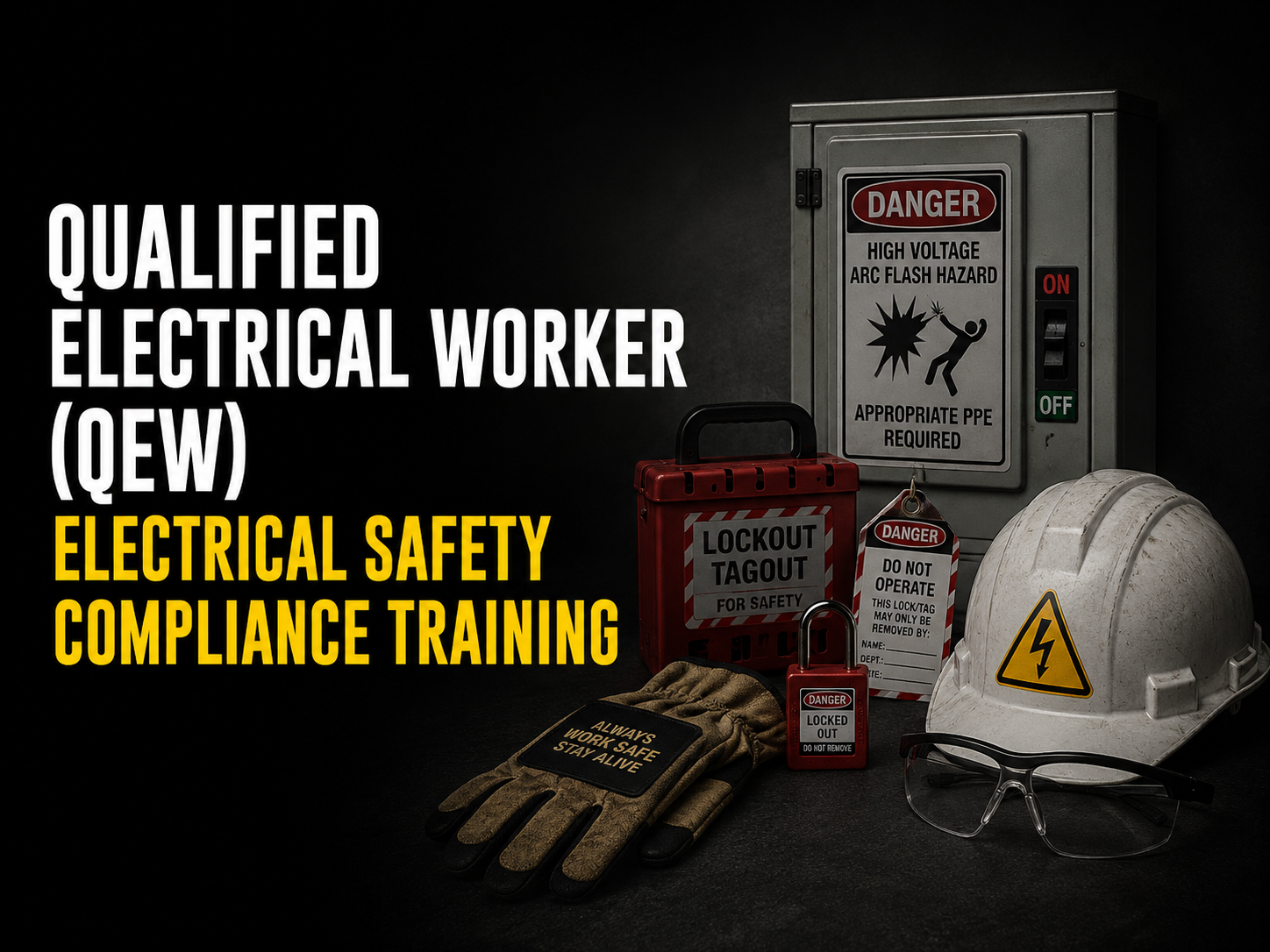
Recommended certification
Qualified Electrical Worker (QEW) — Electrical Safety Compliance Training
$80 · ~3h online · certificate issued same day · valid 2 years
Also read: NFPA 70E Electrical Safety Standard Update: What Telecom Construction Workers Need to Know · Arc Flash Hazard Recognition: What Every QEW Needs to Know
Damaged Equipment: Look for frayed cords, cracked insulation, bent plugs, or loose connections. These aren't minor cosmetic issues—they're direct pathways to electrical shock.
Improper Grounding: Many construction injuries occur because equipment lacks proper grounding or grounding has been damaged. Three-prong plugs exist for a reason; they must never be cut off or bypassed.
Conductive Materials: Metal ladders, tools, and equipment conduct electricity. Even your climbing harness hardware can conduct current if you're not careful about what you're working near.
Step 4: Assess Arc Flash and Thermal Burn Risks
Arc flash is a serious but often overlooked hazard. When electrical current jumps across a gap, it creates an extremely hot arc—sometimes hotter than the surface of the sun.
Signs of arc flash risk:
- Open electrical panels or equipment without covers
- High-voltage equipment without appropriate barriers
- Work near electrical cabinets or transformers
- Maintenance or troubleshooting of live circuits
If you're pursuing tower climbing certifications or telecom training, understanding arc flash protection is mandatory. Appropriate personal protective equipment (PPE) can mean the difference between a minor incident and severe burns or death.
Step 5: Review Lockout/Tagout (LOTO) Procedures
LOTO is a critical control measure that keeps equipment de-energized while work is being performed. Before starting any electrical-related task, verify:
- All energy sources have been identified and isolated
- Proper lockout devices have been applied
- Warning tags are clearly visible and legible
- Only authorized personnel can remove locks
- A trained supervisor is overseeing the process
Never bypass or remove LOTO devices. If you find a lock you don't recognize, stop work immediately and contact your supervisor.
Step 6: Communicate Hazards to Your Team
The best hazard recognition system fails if information doesn't reach the workers who need it. Establish clear communication protocols:
- Hold daily safety briefings at the start of each shift
- Use visual hazard markers or tape near electrical equipment
- Create a written hazard log that's updated throughout the project
- Encourage workers to report near-misses or newly discovered hazards immediately
A strong safety culture means every team member feels empowered to speak up. In telecom construction careers, communication can prevent tragedies.
Taking the Next Step: Professional Training
Electrical hazard recognition is just one component of comprehensive construction safety. Professionals in 5G construction careers, tower climbing, and telecom infrastructure need formal training that covers OSHA regulations, equipment-specific hazards, and real-world scenarios.
At Build Right Academy, we provide hands-on telecom training that prepares you to recognize and respond to electrical hazards with confidence. Our courses are designed by industry experts and updated regularly to reflect current OSHA standards and emerging technologies.
Ready to get certified? Browse our courses at Build Right Academy.