The wireless industry's race to deploy C-band spectrum infrastructure is entering its final phase, and tower crews across North America face a critical window of opportunity. While major carriers have met their Federal Communications Commission (FCC) deadlines, a substantial backlog of equipment installations, fiber connections, and site modifications remains. For telecom construction professionals and tower climbing crews, this represents one of the last significant deployment cycles before the industry shifts focus to maintenance and optimization work.
Understanding the current state of C-band deployment is essential for crews looking to secure contracts and maintain steady workflow through 2025 and beyond.
The C-Band Deployment Timeline and What's Left to Complete
The FCC's C-band spectrum auction concluded in early 2021, and carriers like Verizon, AT&T, and T-Mobile began deploying this mid-band frequency across their networks. Initial deployment phases prioritized major metropolitan areas and high-traffic corridors. However, the transition from fast-track installations to comprehensive coverage has revealed a substantial backlog of secondary and tertiary market sites.
Current deployment status includes:
- Rural and suburban tower site modifications still pending equipment installation
- Fiber backhaul connections required for C-band base stations in remote areas
- Network optimization and frequency coordination work across overlapping coverage zones
- Power and cooling infrastructure upgrades at existing tower locations
- Backhaul network expansion to support increased bandwidth demands
According to industry reports tracked by resources like Wireless Estimator, carriers initially underestimated the engineering and construction complexity of coordinating C-band deployment with existing network infrastructure. This has created an extended timeline for completion—pushing major finishing work into late 2024 and throughout 2025.
For tower crews, this means sustained demand for skilled tower climbing labor, equipment installation expertise, and site assessment services. The backlog isn't a sign of slowing work; it's evidence of the massive scale of this infrastructure modernization.
Safety Certifications and Crew Qualifications in High Demand
As the industry focuses on completing remaining installations, carriers and contractors are prioritizing safety compliance and worker certification. The telecom construction industry operates under stringent regulations, and C-band deployment sites are no exception.
Key certifications tower crews need for C-band work:
- OSHA 30-Hour Construction Card – Required for most major contractor sites
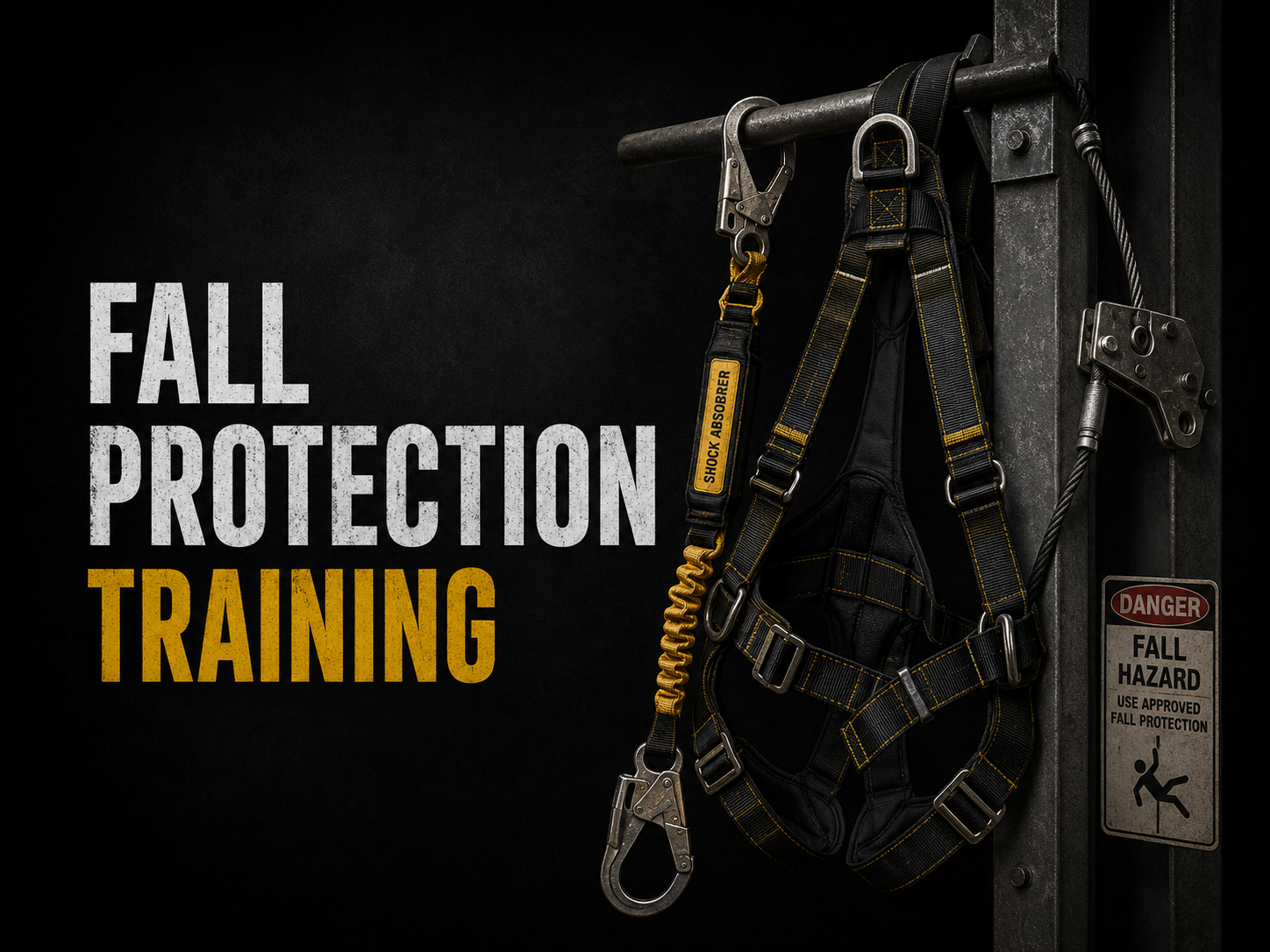
- Fall Protection and Rescue Training – Essential for tower climbing work at heights
Recommended certification
Fall Protection Training
$30 · ~30 min online · certificate issued same day · valid 2 years
Also read: When the Market Falls, Bodies Follow: The Deadly Link Between Economic Downturns and Tower Climbing Deaths · Get Certified on Your Phone: How Mobile Online Courses Fit the Tower Worker Schedule
- RF Awareness and Microwave Safety Certifications – Critical when working on active transmission sites
- CPR and First Aid – Standard requirement across all major carriers
- ANSI/ASSE A10.48 Standard – Tower climbing and rescue standards compliance
- Fiber Optic Splicing Certifications – Increasingly valuable for backhaul installations
Contractors report that crews with multiple safety certifications and specialized telecom training command premium rates and secure work first. The backlog of C-band installations has made it a seller's market for qualified crews. Companies investing in ongoing training and certification renewal are positioning themselves to capture the remaining contracts before the cycle concludes.
5G Infrastructure Optimization: The Work Beyond Initial Deployment
While initial C-band deployment focused on rapid site activation, the next phase involves network optimization and capacity enhancement. This represents a different—but equally valuable—opportunity for tower crews.
Ongoing C-band work includes:
- Antenna repositioning and tilt adjustments for coverage optimization
- Coax cable replacement and signal integrity improvements
- Power amplifier upgrades and equipment swaps
- Site capacity expansions to handle unexpected traffic growth
- Fiber optic redundancy and network resilience installations
5G infrastructure maintenance and optimization will sustain crew work well beyond the initial deployment completion date. However, the skill requirements shift slightly—crews need deeper understanding of RF principles, network architecture, and performance monitoring. This creates an incentive for workers to pursue advanced certifications and specialized training beyond basic tower climbing credentials.
Positioning Your Career for the C-Band Completion Phase
The remaining C-band deployment backlog represents a finite but significant opportunity window. Crews that act now—securing certifications, partnering with active contractors, and building expertise in specialized areas like fiber installation—will be well-positioned for the completion phase and beyond.
The telecom construction industry is dynamic, and the ability to adapt and expand skillsets separates crews that thrive from those struggling during industry transitions. C-band deployment is a defining moment for the wireless industry; how tower professionals respond will shape their career trajectory for the next decade.
Professional training organizations like Build Right Academy recognize that tower crews and construction professionals need accessible, relevant education to succeed in evolving telecom markets. Whether pursuing foundational safety certifications or advanced technical specializations, ongoing professional development is the cornerstone of sustainable careers in telecom construction.