The telecom construction industry is facing a critical safety challenge as arc flash incidents continue to climb on job sites across North America. According to recent occupational safety data, electrical incidents—particularly those involving arc flash hazards—represent one of the fastest-growing categories of workplace injuries in tower climbing and telecom infrastructure projects. In response, industry organizations are intensifying their push for comprehensive QEW (Qualified Electrical Worker) training and certification programs to protect workers on 5G deployment sites and legacy network maintenance operations.
Arc flash incidents occur when electrical current jumps across an air gap, creating a dangerous thermal explosion capable of causing severe burns, permanent scarring, and fatalities. For telecom construction workers installing and maintaining power distribution systems at cell towers, rooftop installations, and central offices, understanding arc flash hazards is no longer optional—it's essential to career longevity and workplace safety.
Understanding the Rising Arc Flash Risk in Telecom Construction
The expansion of 5G infrastructure has created unprecedented demand for telecom construction professionals, but it has also introduced new electrical hazards. Workers installing equipment in densely populated areas, retrofitting existing towers, and working with high-voltage systems face considerable arc flash exposure. Many incidents occur during routine maintenance tasks where workers underestimate the electrical potential of systems they're servicing.
Industry experts point to several factors driving the increase in arc flash incidents:
- Accelerated deployment schedules: The race to build 5G networks has compressed project timelines, sometimes compromising safety protocols and worker training cycles
- Workforce expansion: New workers entering telecom construction careers often lack sufficient electrical safety background and QEW certification
- Aging infrastructure: Maintenance work on legacy systems involves equipment with unknown or poorly documented electrical specifications, increasing hazard assessment challenges
- Complex work environments: Tower climbing and rooftop installations require simultaneous management of fall protection, electrical hazards, and weather-related risks
Data from the Occupational Safety and Health Administration (OSHA) indicates that electrical injuries account for roughly 5% of all construction fatalities annually, with arc flash incidents representing a disproportionate share of severe outcomes. For telecom construction workers who perform electrical work as part of their job duties, the stakes are particularly high.
QEW Training and Safety Certification: Industry Response
In response to rising incident rates, industry associations and safety organizations are accelerating their push for mandatory QEW training and comprehensive arc flash awareness programs. QEW certification, which qualifies workers to perform electrical work under specific conditions and supervision, is becoming the baseline safety credential for telecom construction professionals.
Key elements of the new training initiative include:
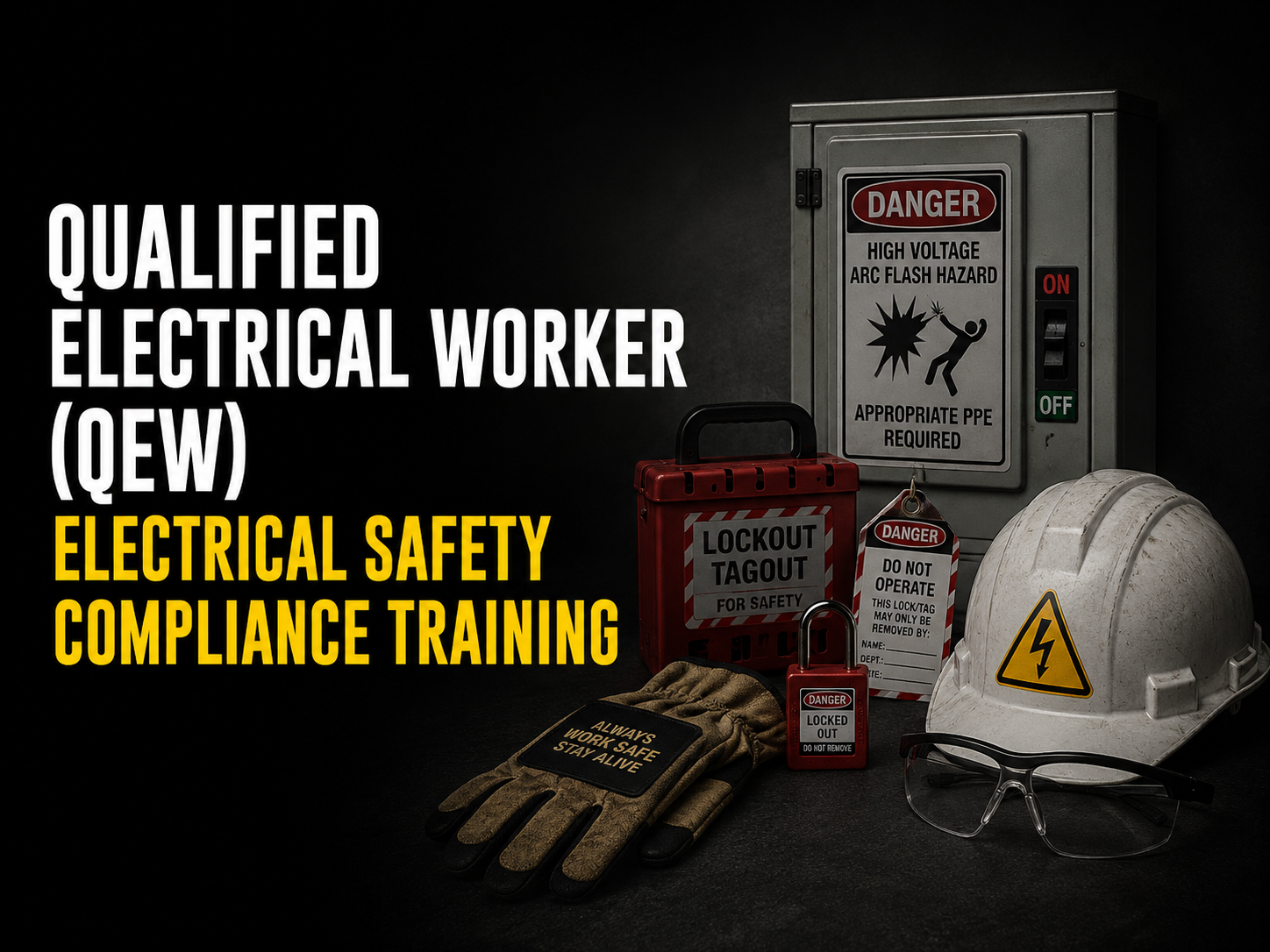
Recommended certification
Qualified Electrical Worker (QEW) — Electrical Safety Compliance Training
$80 · ~3h online · certificate issued same day · valid 2 years
Also read: NFPA 70E Electrical Safety Standard Update: What Telecom Construction Workers Need to Know · Arc Flash Hazard Recognition: What Every QEW Needs to Know
- Enhanced arc flash hazard assessment and boundary identification protocols
- Proper selection and use of personal protective equipment (PPE) rated for specific arc flash hazard categories
- Lock-out/tag-out (LOTO) procedures and energy isolation techniques
- Safe work practices for tower climbing operations that involve electrical equipment
- Documentation and incident reporting standards aligned with OSHA requirements
Organizations like the IEEE (Institute of Electrical and Electronics Engineers) and NFPA (National Fire Protection Association) have updated their standards for electrical safety and arc flash protection. NFPA 70E, which defines electrical safety best practices, now includes expanded requirements for hazard analysis and incident prevention in dynamic construction environments.
Impact on Telecom Construction Careers and 5G Deployment
The emphasis on rigorous safety certification is reshaping telecom construction careers. Workers who complete comprehensive QEW training and arc flash safety programs command higher wages and have greater employment stability. Contractors bidding on major 5G infrastructure projects increasingly require their teams to hold current safety certifications, making training a prerequisite for advancement.
For individuals entering the telecom construction field, this shift creates both challenges and opportunities. The investment in professional development—whether tower climbing certification, electrical safety training, or specialized 5G installation credentials—directly correlates with job security and earning potential. Companies are willing to pay premiums for workers who can demonstrate they understand electrical hazards and work safely in high-risk environments.
Contractors are also implementing site-level safety programs that go beyond minimum regulatory compliance. Jobsite toolbox talks, pre-task safety briefings, and peer accountability systems are becoming standard practice on major telecom construction projects. The message from industry leadership is clear: safety certifications and continuous training are non-negotiable investments in workforce protection.
Looking Forward: Best Practices for Arc Flash Prevention
As the telecom industry continues its rapid expansion, a culture of electrical safety awareness must accompany workforce growth. Organizations implementing the most effective arc flash prevention strategies share common practices: comprehensive pre-project hazard assessments, documented electrical system analysis, mandatory training refresher cycles, and strong reporting mechanisms that encourage workers to identify hazards without fear of retaliation.
For telecom construction professionals, the lesson is straightforward: arc flash hazards are serious, preventable through proper training and awareness, and increasingly central to career advancement. Whether you're involved in tower climbing, 5G infrastructure deployment, or network maintenance, the ability to recognize and manage electrical hazards is fundamental to long-term success.
Build Right Academy offers comprehensive professional training programs designed specifically for telecom construction careers, including arc flash safety, QEW preparation, and tower climbing certification. Our courses combine industry best practices with hands-on instruction to prepare workers for the electrical challenges they'll face on modern construction sites.