The rollout of 5G millimeter wave (mmWave) technology represents one of the most ambitious infrastructure projects in telecommunications history. Unlike previous network generations, 5G mmWave requires a fundamentally different approach to tower construction, equipment installation, and worker safety protocols. As carriers accelerate deployment timelines across North America, the demand for skilled telecom construction professionals with specialized training has never been higher. However, the industry faces a critical gap: many existing workers lack the specific competencies needed to safely and efficiently handle mmWave infrastructure challenges.
Understanding 5G mmWave Infrastructure Requirements
5G millimeter wave technology operates at significantly higher frequencies (24 GHz to 100 GHz) compared to previous cellular standards, enabling faster data speeds but requiring denser network deployment patterns. This fundamental difference creates unique construction and maintenance demands that distinguish mmWave projects from traditional tower climbing and antenna installation work.
The infrastructure implications are substantial. Rather than relying on traditional tall cell towers spaced miles apart, mmWave networks require small cell installations mounted on existing structures—utility poles, rooftops, street furniture, and specialized mounting hardware. These distributed networks demand precision placement and alignment that exceeds standard telecommunications installation requirements.
- Antenna alignment precision: mmWave signals require line-of-sight transmission with minimal obstruction, necessitating exact positioning within fractions of an inch
- Fiber backhaul connections: Each small cell requires dedicated fiber optic connections, adding complexity to site preparation and cable management
- Compact equipment footprints: mmWave antennas are smaller but densely packed, requiring specialized mounting knowledge
- Environmental sensitivity: Rain, ice, and weather conditions significantly impact mmWave signal propagation, affecting installation scheduling and weatherproofing requirements
Critical Safety Challenges in mmWave Tower Work
Safety represents the paramount concern in 5G mmWave deployment. According to industry reports from wireless construction specialists, mmWave projects introduce hazards not commonly encountered in traditional telecom construction work. The combination of working at heights, high-frequency RF exposure, and non-traditional installation environments creates a complex safety landscape.
RF radiation safety is perhaps the most significant new consideration. While traditional cell site work involves RF hazards, mmWave frequencies present different exposure characteristics. The inverse square law means that RF intensity drops rapidly with distance, but the directional nature of mmWave signals and the proximity of technicians to active transmitters during installation requires careful planning and continuous safety monitoring.
Additionally, many mmWave installation sites present unique working environments that complicate standard safety protocols. Rooftop installations on apartment buildings, street-level utility pole work in high-traffic areas, and installations on existing building infrastructure require tower climbing certification combined with additional competencies in fall protection, working at heights, and environmental hazard assessment.
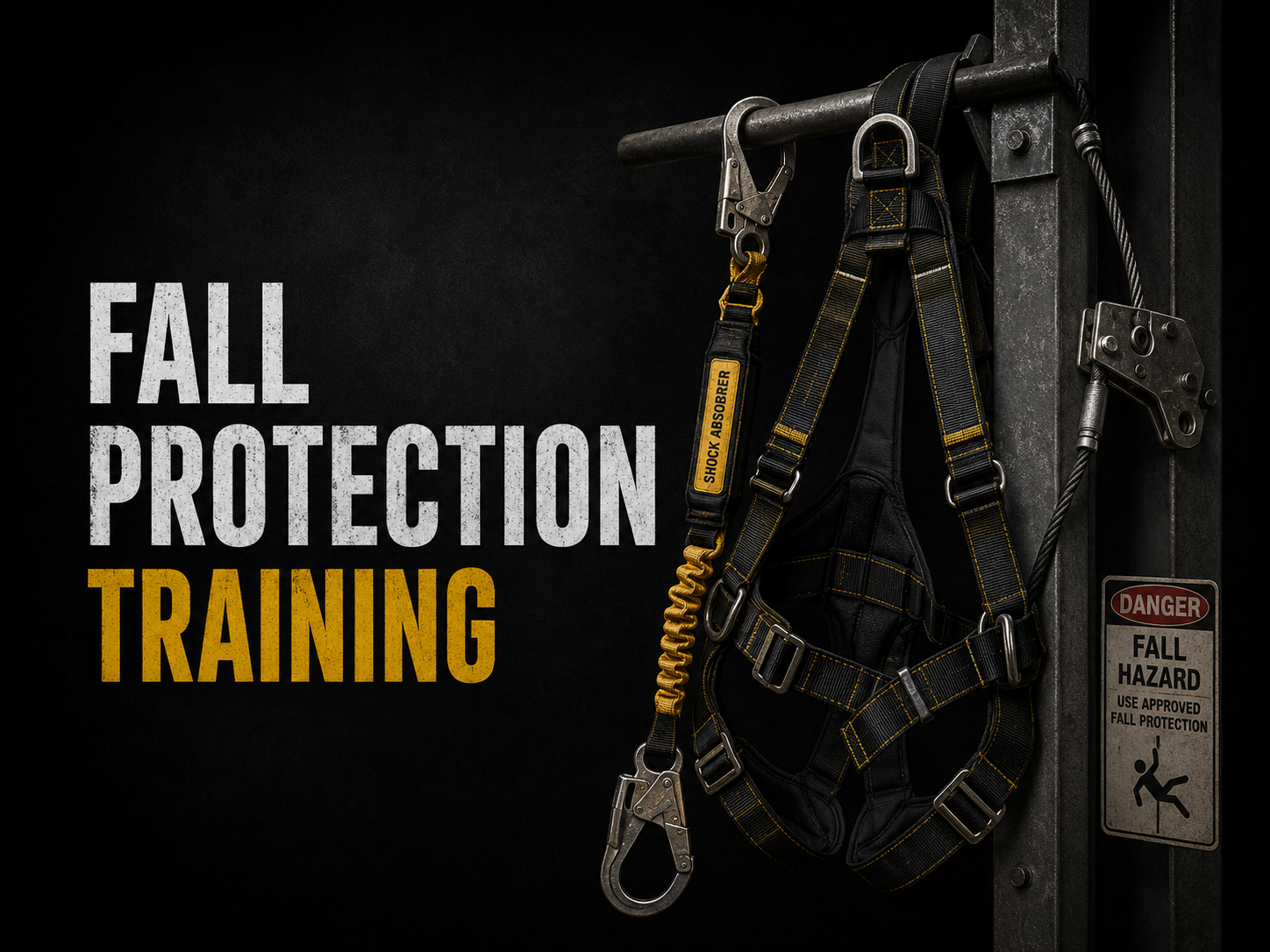
Recommended certification
Fall Protection Training
$30 · ~30 min online · certificate issued same day · valid 2 years
Also read: When the Market Falls, Bodies Follow: The Deadly Link Between Economic Downturns and Tower Climbing Deaths · Get Certified on Your Phone: How Mobile Online Courses Fit the Tower Worker Schedule
- RF exposure assessment and continuous monitoring during installation phases
- Fall protection protocols adapted for non-traditional mounting surfaces
- Traffic control and public safety awareness in dense urban environments
- Electrical safety near power lines and utility infrastructure
- Equipment handling for sensitive fiber optic components
Specialized Training Requirements for 5G mmWave Technicians
The telecom construction industry faces a workforce development challenge. Existing tower climbing certifications and traditional telecom installation training, while foundational, do not adequately prepare workers for mmWave-specific challenges. Progressive companies recognize that investing in specialized training improves project timelines, reduces safety incidents, and enhances employee retention.
Effective 5G mmWave training programs should address multiple competency areas beyond standard safety certifications. Workers require understanding of RF fundamentals, practical experience with small cell installation techniques, fiber optic handling and termination skills, and familiarity with the specialized tools and equipment used in mmWave deployment. Tower climbing skills remain essential, but workers also need to develop competency in rooftop safety, confined space work awareness, and non-traditional construction environments.
Industry leaders emphasize that certification alone is insufficient. Hands-on experience with actual small cell equipment, supervised installation practice, and scenario-based safety training produce workers genuinely prepared for project demands. The most effective training combines classroom instruction with practical field experience, allowing technicians to develop muscle memory for proper procedures before deploying on live commercial projects.
Preparing Your Workforce for 5G Opportunities
Companies planning to participate in 5G mmWave deployment should evaluate their current workforce capabilities against specific project requirements. Creating or updating training programs to address mmWave-specific challenges positions organizations competitively while ensuring worker safety and project success. The telecommunications construction industry continues evolving, and proactive workforce development remains the most reliable path to sustainable business growth in the 5G era.
Build Right Academy offers comprehensive professional training programs designed specifically for telecom construction careers, including specialized coursework addressing 5G deployment challenges, tower climbing certification, RF safety protocols, and the practical skills needed for modern telecommunications infrastructure projects.