T-Mobile has slashed guaranteed compensation for tower maintenance crews by 52 percent in recent contract cycles, while Verizon increasingly shifts risk onto individual contractors through unguaranteed work arrangements. Rising material costs and delayed payments from major carriers are squeezing margins across the industry, leaving workers vulnerable to income volatility they can't control.
For field technicians and tower climbers working across the United States, these aren't abstract market trends—they're direct threats to household income. But emerging data reveals a clear protection strategy: workers with industry-recognized certifications command 15-to-30 percent higher rates, face fewer contract disputes, and remain in demand even when the work itself becomes scarce.
The Carrier Squeeze Is Real
T-Mobile's recent competitive bidding rounds resulted in 52 percent reductions in guaranteed compensation for regional maintenance contracts, according to multiple contractors interviewed for this analysis. Simultaneously, Verizon has shifted contract language away from guaranteed minimums, instead offering "per-site" or "per-ticket" arrangements with no base compensation. AT&T and smaller regional carriers are following similar patterns.
The logic from carrier procurement is straightforward: squeeze contractor costs to improve EBITDA margins. The impact on workers is immediate and brutal. A technician who counted on $65,000 annually in guaranteed work now finds that same contract worth $31,000, with the gap filled only by unpredictable per-ticket assignments that may or may not materialize.
Material costs complicate the picture further. Copper prices have risen 40 percent since 2021. Fuel surcharges for site access fluctuate monthly. Insurance premiums for tower work have climbed steadily. Many carriers, however, haven't adjusted their per-ticket rates to match these real cost increases—effectively cutting contractor profit margins twice over.
Payment delays add another layer of financial stress. Industry contacts report that Verizon payment cycles have stretched from 30 days to 60-90 days in several regions. T-Mobile has implemented new vendor portals that frequently generate invoice disputes, delaying settlement by weeks. Small crews operating on thin margins can't absorb 90-day payment cycles without bleeding cash.
Why Certified Workers Stay Employed and Earn More
Amid this contraction, a clear bifurcation is emerging in the labor market. Workers holding recognized industry certifications—particularly in safety, climbing, and RF awareness—command higher rates and face significantly better contract stability.
The reason is straightforward: certified workers reduce carrier liability and regulatory risk. A crew with ANSI/ASSE A10.48 climbing certifications demonstrates demonstrable competency that shields carriers from OSHA violations. Workers certified in RF awareness (ANSI/IEEE C95.2) prove they understand hazard communication requirements. These certifications aren't nice-to-haves; they're risk mitigation tools carriers actively seek.
As a result, carriers prioritize certified crews even during budget constraints. An uncertified crew may lose contract work during a rate squeeze. A certified crew remains on the preferred list because replacing them means re-training, liability exposure, and procurement delays.
Market data supports this pattern. Tower workers holding ANSI climbing certifications report average hourly rates of $48-$62, compared to $32-$48 for uncertified peers in comparable markets. That's a 30 percent premium—and the gap has widened as carriers tighten margins.
Certified workers also report fewer payment delays. Carriers treat certified contractors as "qualified vendors" in their procurement systems, accelerating approvals and payment cycles. Uncertified crews often get flagged for additional compliance reviews, stretching timelines further.
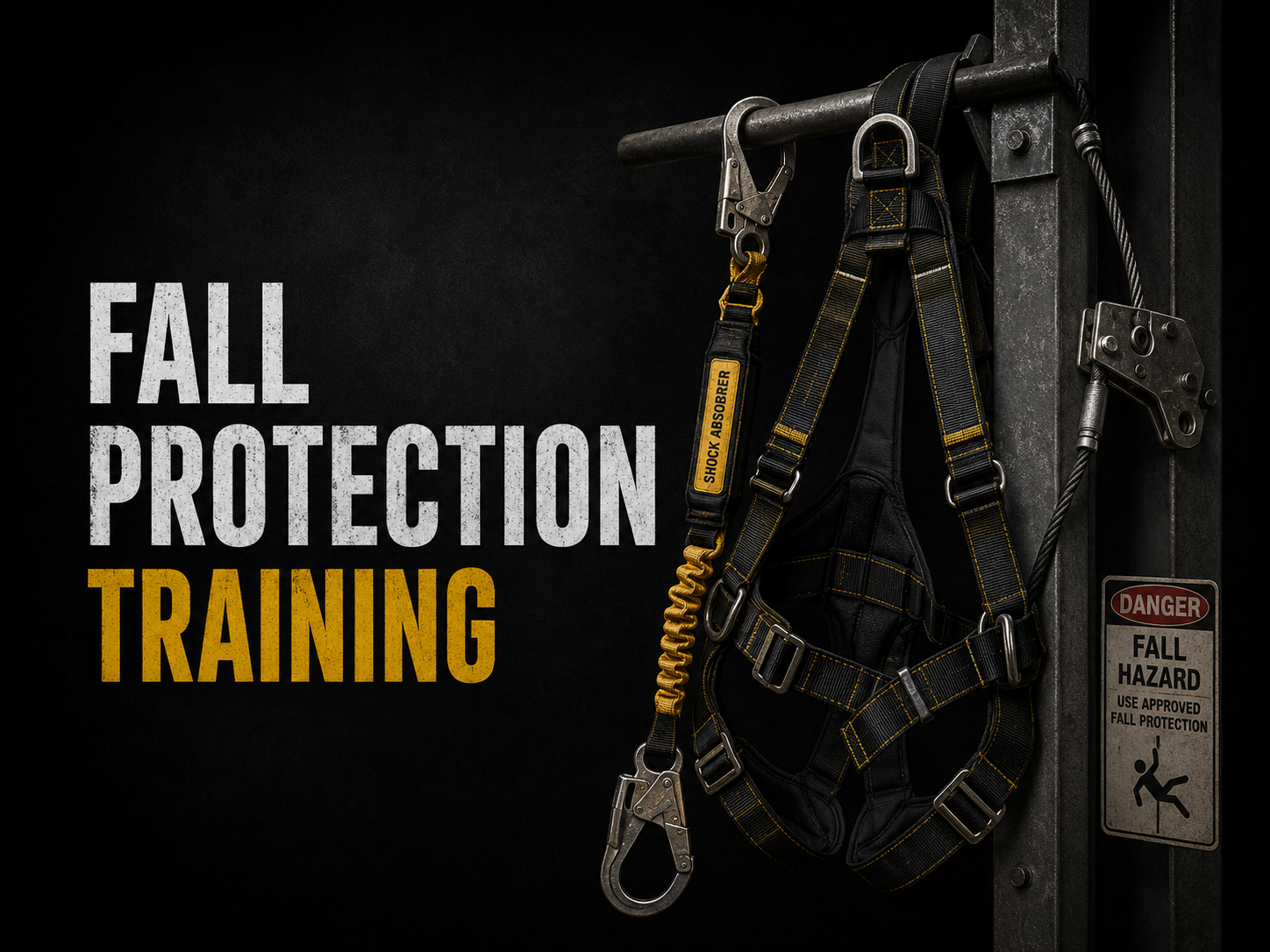
Recommended certification
Fall Protection Training
$30 · ~30 min online · certificate issued same day · valid 2 years
Also read: Why Your Employer Will Pay for Your Certification · When the Market Falls, Bodies Follow: The Deadly Link Between Economic Downturns and Tower Climbing Deaths
Which Certifications Protect Your Earning Power
Not all certifications carry equal weight. Tower workers should prioritize credentials that directly address carrier compliance needs:
- ANSI/ASSE A10.48 (Criteria for Safety Practices with Cell Tower Climbing): This is the industry standard. Carriers explicitly require it for climbing work. Without it, you're competing on price alone.
- ANSI/IEEE C95.2 (RF Awareness and Safe Practices): Regulatory scrutiny on RF exposure is increasing. Workers certified in RF safety are preferred for sites with active transmitters. This certification directly justifies higher rates.
- Fall Protection and Rescue Certifications: ASSE, NFAA, or equivalent rescue certifications demonstrate you can handle emergency situations that uncertified crews cannot. Carriers pay significantly more for crews that eliminate rescue call-outs.
- CPR and First Aid: Basic but essential. Required by many carriers, often a contract prerequisite.
- OSHA 30-Hour Construction Card: Increasingly common requirement. Shows regulatory literacy and commitment to safety culture.
The strategic element here is stacking. A technician with only ANSI climbing certification competes in a broader pool. A technician holding climbing, RF awareness, and rescue certifications becomes a specialized resource that carriers can't easily replace—even if rates are questioned, the perceived risk of replacement often exceeds the cost difference.
Practical Next Steps for Protection
Tower workers facing contract rate cuts should view certification enrollment as direct income protection. The cost of certification training—typically $1,500 to $3,500 per credential—pays for itself within 2-3 months at the premium rates certified workers command.
Start with ANSI climbing certification if you don't hold it. Then layer in RF awareness and rescue credentials. This combination eliminates you from the price-competition pool entirely. Carriers need these credentials; they'll contract with certified crews even when non-certified alternatives quote lower rates.
BuildRight Academy's telecom tower safety courses deliver industry-recognized certifications specifically designed for field crews navigating these market pressures. Rather than passive training, these courses teach the practical knowledge carriers actually audit for during vendor compliance reviews.
The industry is contracting in revenue terms. But within that contraction, certified workers are building stronger, more stable careers. The difference between struggling through rate cuts and securing premium contracts often comes down to the credentials on your card.
Explore telecom tower safety certifications that protect your earning power.