At NATE UNITE 2026, general contractors working T-Mobile's network construction projects didn't mince words. After the carrier inserted management company intermediaries into its contractor model, GC compensation dropped by as much as 52 percent—a structural shift that industry veterans say will inevitably trickle down to the crews climbing towers in the field.
The restructuring represents one of the telecom industry's most aggressive contractor margin compressions in recent memory. And when margins collapse, history shows that wages, safety training budgets, and job security collapse with them.
The Middleman Problem: How T-Mobile's New Model Works
T-Mobile's revised contractor structure now routes work through management companies that function as intermediaries between the carrier and traditional general contractors. These management firms take a cut before payment reaches the GCs who actually execute the work and manage field crews.
A senior GC executive who spoke anonymously at the industry conference described the situation bluntly: "We're now competing for work that's been de-valued by 40 to 52 percent depending on project scope. There's no way to absorb that kind of margin compression without passing the pain down the line."
That pain flows directly to tower technicians, ground crews, and safety personnel—the workers responsible for building T-Mobile's network infrastructure.
Wage Pressure: The First Casualty
When contractor margins shrink, wages are typically the first expense targeted for reduction. GCs with tighter budgets have limited options: reduce crew size, cut hourly rates, or both.
One veteran tower technician working for a major GC explained the dynamic: "When margins get cut this hard, companies can't justify paying experienced techs what they were making last year. Either they freeze wages, cut hours, or they start replacing senior crew with cheaper labor. I've seen it happen twice in my career."
For workers in markets where T-Mobile represents a significant portion of available work—particularly in rural and suburban areas where the carrier is aggressively building—this compression directly impacts household income. A technician earning $28 per hour might see that drop to $24, or find their hours reduced from 40 to 35 per week.
Safety Training Budgets Under the Knife
Safety training is often viewed as a cost center rather than an investment by contractors operating on razor-thin margins. When budgets tighten, formal training programs—OSHA certifications, rescue procedures, equipment updates—frequently get deferred or eliminated entirely.
This creates a dangerous feedback loop. Crews with less comprehensive safety training experience higher injury rates. Higher injury rates drive up workers' compensation insurance premiums. Rising insurance costs further squeeze margins, leading to even less training investment.
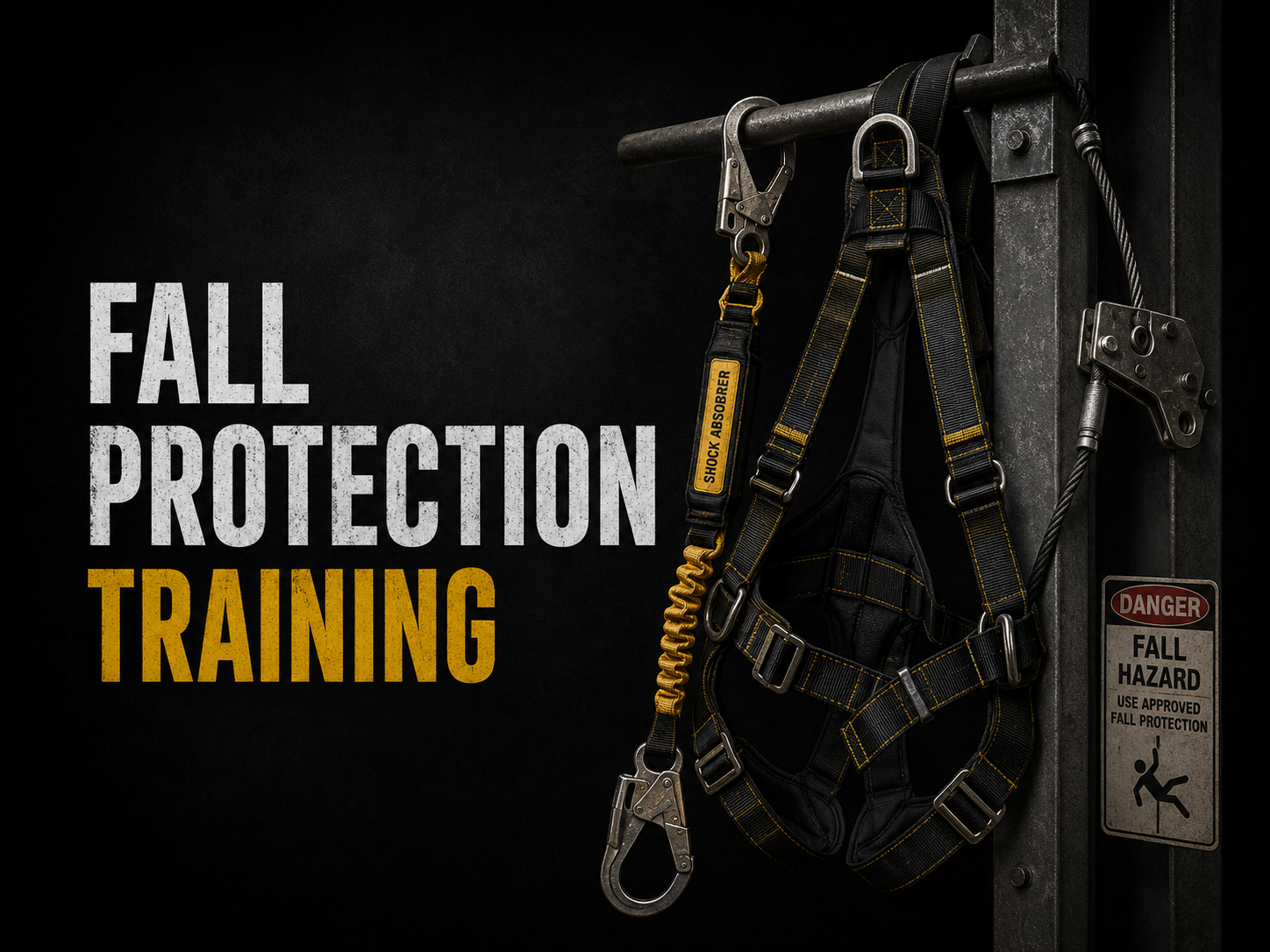
Recommended certification
Fall Protection Training
$30 · ~30 min online · certificate issued same day · valid 2 years
Also read: OSHA Telecom Enforcement Actions Surge 34% as Workforce Turnover Hits 15-Year High · ANSI/TIA Tower Standards: What Changes on the Job Site
- According to NATE safety data, contractors investing in formal safety certification programs report 30-40 percent fewer workplace incidents
- Insurance premium increases following injuries can add 5-10 percent to overall project costs
- Many GCs cannot afford the short-term training investment required to avoid long-term insurance penalties
Job Stability: The Seasonal Squeeze Gets Tighter
Tower construction already operates on a feast-or-famine seasonal cycle. Contractors bid aggressively for projects during busy quarters, then face lay-offs when work slows. Compressed margins make this cycle even more brutal.
A senior GC executive noted: "We used to be able to retain core crew during slower seasons, knowing the margins on summer work would justify it. Now? We can't. Every contractor I know is being more aggressive about lay-offs because there's no financial cushion to carry workforce through quiet periods."
This means tower workers face increased uncertainty about consistent employment. A technician who could count on year-round work with one contractor may now experience extended periods of unemployment between projects.
Certification: The Career Lifeline
In this contracting environment, one group of workers has demonstrable job security: those with documented certifications and specialized credentials.
Certified tower technicians—those holding OSHA 30 certifications, CPR/First Aid credentials, fall protection certifications, and rescue training—are harder to replace. Contractors operating on tight margins still need to meet safety compliance requirements and insurance mandates. They cannot staff projects with uncertified workers, regardless of budget pressure.
Industry data consistently shows that certified workers are the last to face lay-offs during downturns and the first to be hired during upswings. Their documented skills provide a layer of job security that non-certified workers lack.
For tower workers concerned about income stability in an industry undergoing structural cost compression, professional certification represents the most direct path to employment resilience. The contractors may have less margin to work with, but they still must hire workers proven capable of executing work safely and reliably.
Workers serious about long-term stability in telecom construction should view certification not as an optional credential but as essential professional infrastructure. Visit buildrightacademy.us/courses to explore your options for documented skill development that protects your career when contractor margins tighten.