As 5G densification accelerates across North America, carriers are quietly squeezing contractor margins to historically tight levels—and the conversation at the National Association of Tower Erectors' flagship conference in 2026 made clear that field workers are bearing the brunt. Behind closed doors and in hotel hallways, general contractors and climbing crews revealed a troubling pattern: major wireless providers are demanding faster deployment timelines, stricter liability terms, and lower bids simultaneously, creating a market where safety corners and worker welfare are increasingly at risk.
Carriers Demanding 40% Faster Timelines Without Corresponding Budget Relief
Multiple contractors at NATE UNITE 2026 reported that T-Mobile, Verizon, and AT&T are now requiring 40-50% faster project completion windows compared to 2023 benchmarks. One general contractor with 20+ years in the industry, speaking on condition of anonymity, described the dynamic bluntly: "We're being asked to build the same infrastructure in six weeks that we used to get three months for. The money hasn't changed. The safety requirements haven't changed. Something has to give, and carriers aren't asking for it to be their timelines."
The acceleration coincides with carriers' aggressive rural broadband expansion commitments tied to federal subsidy programs and investor expectations. Yet the timeline pressure is filtering directly to tower technicians, many of whom report being asked to work longer shifts and take on riskier climbing schedules to meet deployment windows.
Liability Clauses Now Shift Worker Risk Away From Carriers and GCs
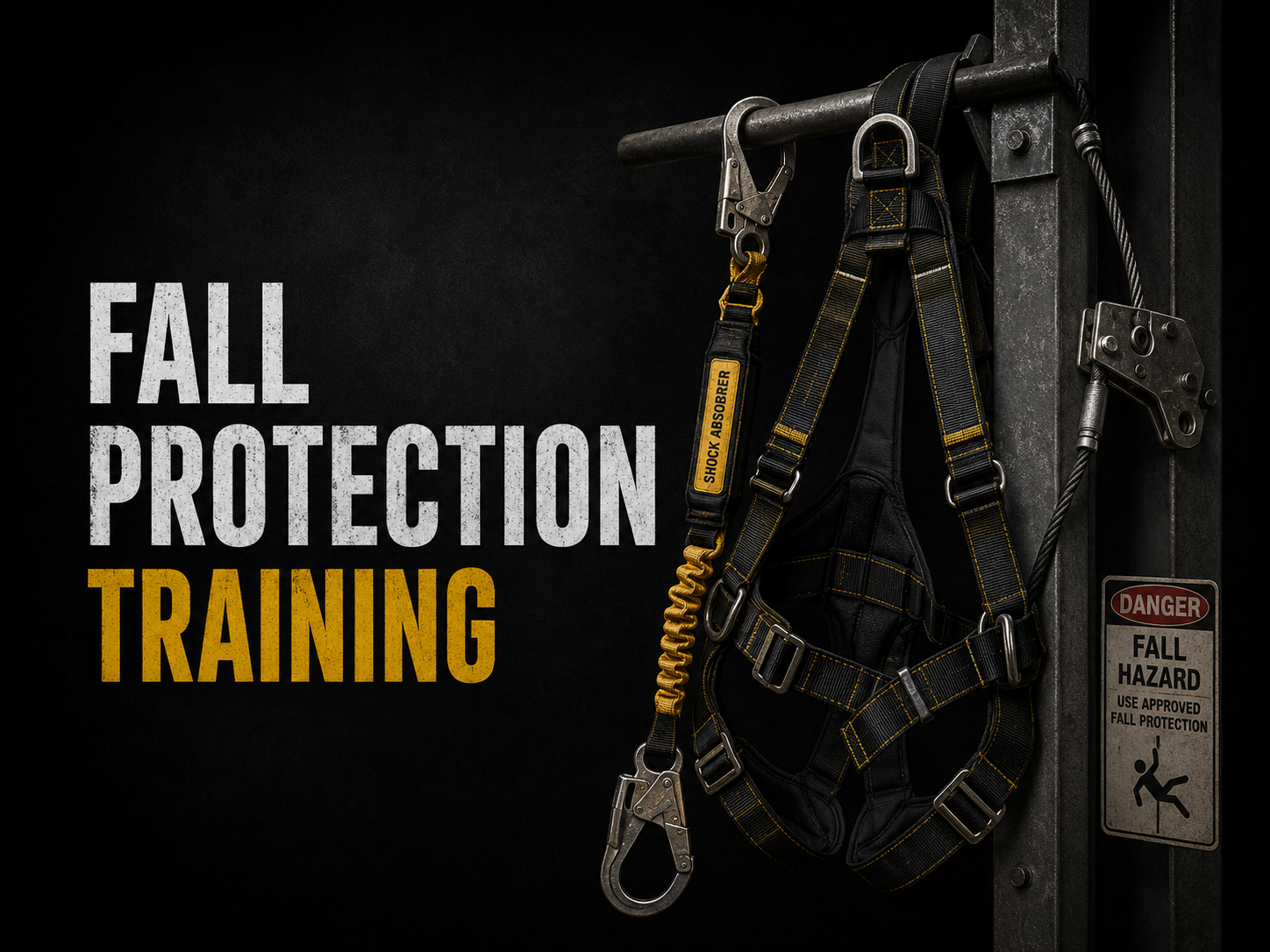
Recommended certification
Fall Protection Training
$30 · ~30 min online · certificate issued same day · valid 2 years
Also read: OSHA Telecom Enforcement Actions Surge 34% as Workforce Turnover Hits 15-Year High · ANSI/TIA Tower Standards: What Changes on the Job Site
Perhaps the most contentious revelation from contractor discussions was the evolution of liability language in master service agreements. A senior GC executive familiar with the bid process at major carriers described new contract templates emerging in 2025-2026: "The carriers are rewriting MSAs to push virtually all liability for worker injury back to the contractor and subcontractor—even when the carrier's own engineering specs or site conditions create the hazard."
This represents a significant shift. Traditionally, carriers maintained shared liability for site-specific hazards they identified or created. Contractors report that language now routinely includes carve-outs exempting carriers from responsibility if "site conditions differ from engineering assumptions" or if "contractor execution doesn't match pre-site survey data"—conditions often outside a climbing crew's control once they arrive on location.
Bid Compression Forcing Contractors to Cut Safety Investment
Competing for work in a market where three major carriers still control the vast majority of deployment spend, contractors face a brutal calculus. Average tower construction bids have declined 12-15% year-over-year since 2024, according to multiple sources at the conference. When combined with labor cost inflation and equipment expenses, margins on small-to-mid-sized crews have compressed to 4-6%—down from historical norms of 8-12%.
"At those margins, you're not investing in new fall protection equipment, additional safety training, or redundant crew oversight," one veteran tower technician explained. "You're doing the work with the equipment you have and the crew you've got. That's where the math breaks." Safety training and certification costs—OSHA 30 cards, rescue certifications, equipment inspections—are among the first items contractors deprioritize when bid margins contract. ## Carriers Quietly Accelerating Remote Work and Deskilled Crew Models Several contractors reported that carriers are experimenting with reducing on-site supervision requirements and shifting to "hybrid" crew models that include less-experienced technicians. The rationale, according to one GC source, is cost reduction: "Carriers are pushing contractors to use more junior staff and fewer senior climbers per job. It's framed as 'operational efficiency.' What it really means is lower labor costs, which means more pressure on less-experienced climbers to perform under tight timelines." This trend directly contradicts OSHA standards and industry best practices, yet it persists because carriers can demand it contractually and contractors feel powerless to refuse. ## Why Individual Certifications Have Become a Worker's Only Shield What became clear at NATE UNITE 2026 is that individual technicians can no longer rely on their employer's safety culture or the carrier's oversight to protect them. The market structure now incentivizes cost-cutting at every level, and climbing crews are the last line of defense between cost pressure and actual safety failures. Individual certifications—technical qualifications that are personally owned and verified—create accountability that sticks with the worker regardless of which contractor employs them or which carrier funds the project. A certified tower technician has documented proof of competency that carriers and contractors cannot strip away during bid compression. In a market where safety investment is being squeezed out of every link in the chain, the individual worker's credentials become their protection and their bargaining power. Workers serious about their long-term safety and marketability should invest in formal certifications now, before these pressures worsen. Explore telecom tower safety courses and certifications at Build Right Academy to ensure you own your qualifications regardless of market conditions.