The telecommunications industry continues to evolve rapidly, driven by the explosive growth of 5G network deployment and the increased demand for tower infrastructure. Alongside this expansion comes an equally important evolution in safety standards. The American National Standards Institute (ANSI) and the Telecommunications Industry Association (TIA) have released significant updates to tower construction and maintenance standards that every telecom construction professional must understand. These updates directly impact tower climbing safety, workforce certification requirements, and overall project compliance across the industry.
Key Changes in ANSI/TIA Standards for Tower Construction
The latest ANSI/TIA updates address critical gaps identified in previous standards, particularly as they relate to modern tower climbing techniques and equipment used in 5G infrastructure deployment. These revised standards now include more comprehensive guidelines for:
- Advanced fall protection systems and harness configurations for complex tower geometries
- Safety protocols for climbing towers exceeding 500 feet in height
- Requirements for working on monopoles and other non-traditional tower structures common in 5G installations
- Enhanced environmental condition assessments before tower work begins
- Updated electrical hazard mitigation procedures near active transmission equipment
These changes reflect real-world challenges identified by safety professionals and tower climbing specialists working on contemporary telecom construction projects. According to industry data tracked by wireless infrastructure observers, the emphasis on standardized safety certification has never been more critical as companies race to build out 5G networks across the nation. The updated standards ensure that whether workers are performing routine maintenance or installing new equipment, they follow consistent, evidence-based safety practices that reduce workplace injuries and fatalities.
Impact on Safety Certifications and Professional Credentials
Safety certifications have become non-negotiable in the telecom construction industry, and the updated ANSI/TIA standards have raised the bar for credential validity. Professionals seeking tower climbing certifications now face more rigorous training requirements that better align with real-world hazards encountered on job sites.
Organizations that train and certify tower climbers must now demonstrate compliance with these updated standards, which means:
- Expanded hands-on training components for fall arrest systems
- Mandatory competency assessments in rescue procedures
- Regular recertification intervals to ensure skill maintenance
- Documentation of training that meets federal OSHA requirements
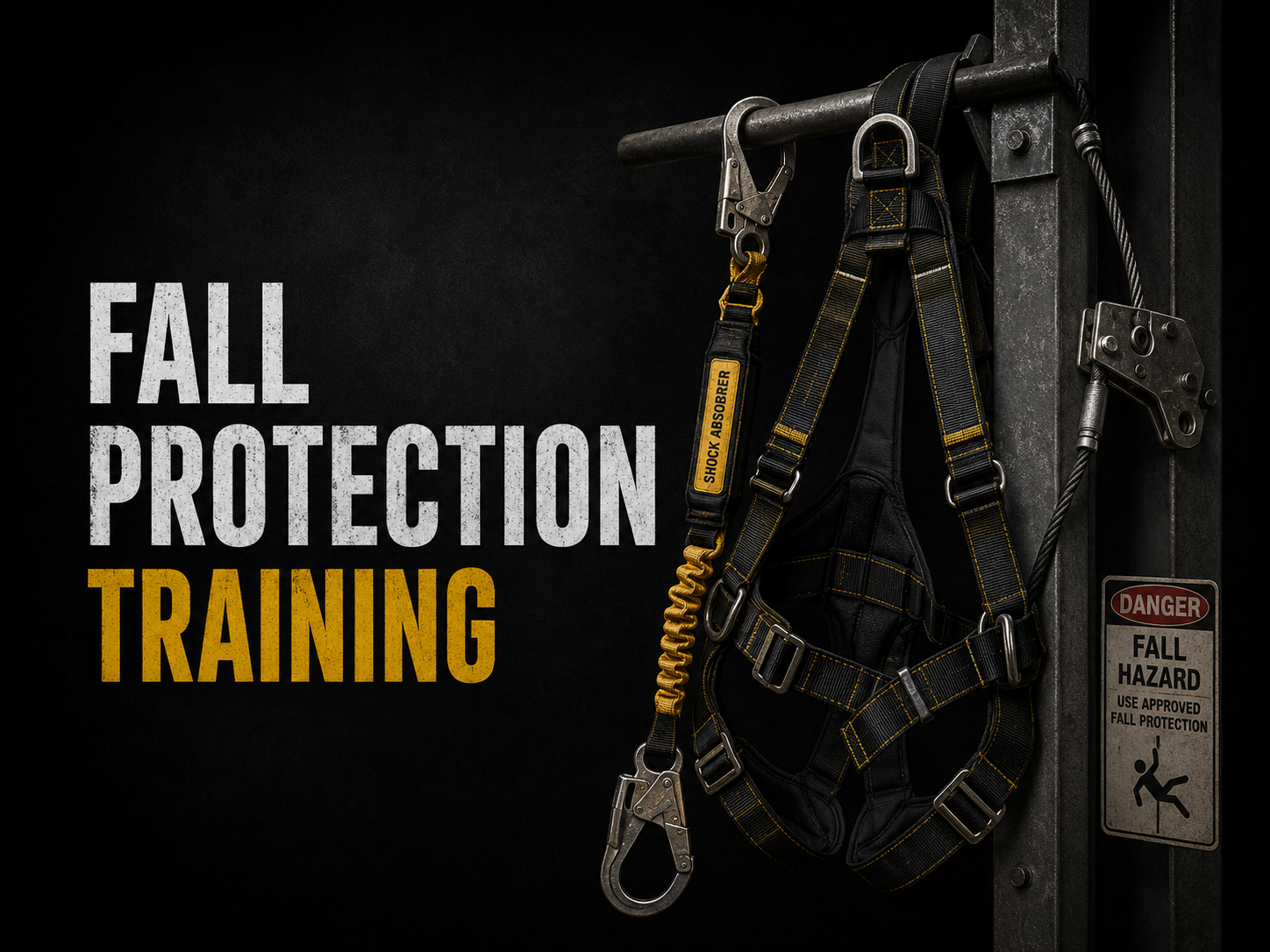
Recommended certification
Fall Protection Training
$30 · ~30 min online · certificate issued same day · valid 2 years
Also read: OSHA Telecom Enforcement Actions Surge 34% as Workforce Turnover Hits 15-Year High · ANSI/TIA Tower Standards: What Changes on the Job Site
- Certification renewals that account for emerging tower climbing techniques and equipment
Workers with outdated certifications or training certificates based on previous standards may find themselves unable to work on projects requiring compliance with the latest ANSI/TIA guidelines. This has created significant demand for refresher training and recertification programs across the telecom construction sector. Employers are increasingly requiring their workforces to update their safety credentials as existing certifications expire, making this an ideal time for professionals to invest in current, compliant training that positions them as valuable assets to any telecom construction team.
5G Deployment and Its Relationship to Updated Tower Standards
The rollout of 5G networks has fundamentally changed the requirements for tower construction and equipment placement. New small cell installations, distributed antenna systems (DAS), and the densification of tower networks require different safety approaches than traditional macrocell tower construction. The updated ANSI/TIA standards specifically address these 5G-related scenarios.
Telecom construction professionals working on 5G projects encounter unique challenges including:
- Installation of equipment at multiple height levels on existing structures
- Working on rooftop and urban infrastructure beyond traditional tower sites
- Managing RF (radio frequency) hazard exposure in closer proximity to active antennas
- Coordinating with network operators to maintain service during equipment modifications
The standards updates provide explicit guidance for these scenarios, ensuring that 5G deployment proceeds safely without compromising network quality or worker welfare. As companies accelerate their 5G buildouts, compliance with current ANSI/TIA standards has become a competitive advantage and a legal requirement on most major projects.
Moving Forward: Staying Compliant in a Dynamic Industry
For telecom construction companies and individual professionals, staying current with ANSI/TIA updates is not optional—it's essential for maintaining employability and ensuring workplace safety. Industry observers emphasize that standards evolution typically outpaces individual training cycles, so professionals should actively monitor standards developments and participate in continuing education programs.
Regular review of updated standards documents, participation in industry conferences, and engagement with professional associations helps workers anticipate changes before they become mandatory. Many telecom construction firms are adopting proactive compliance strategies, ensuring their entire workforce understands not just current standards, but the reasoning behind them.
Whether you're an experienced tower climber seeking to update your knowledge or a newcomer to the telecom construction field, understanding ANSI/TIA standards is fundamental to your career success. Build Right Academy provides comprehensive professional training programs designed to meet current industry standards and prepare you for a rewarding career in telecom construction, with courses covering tower climbing safety, equipment installation, and the technical skills employers demand in today's rapidly expanding 5G landscape.
Ready to Get Certified?
BuildRight Academy offers 100% online, OSHA-compliant safety certifications you can complete at your own pace.